

Why Food Safety Matters in Industrial Canteens
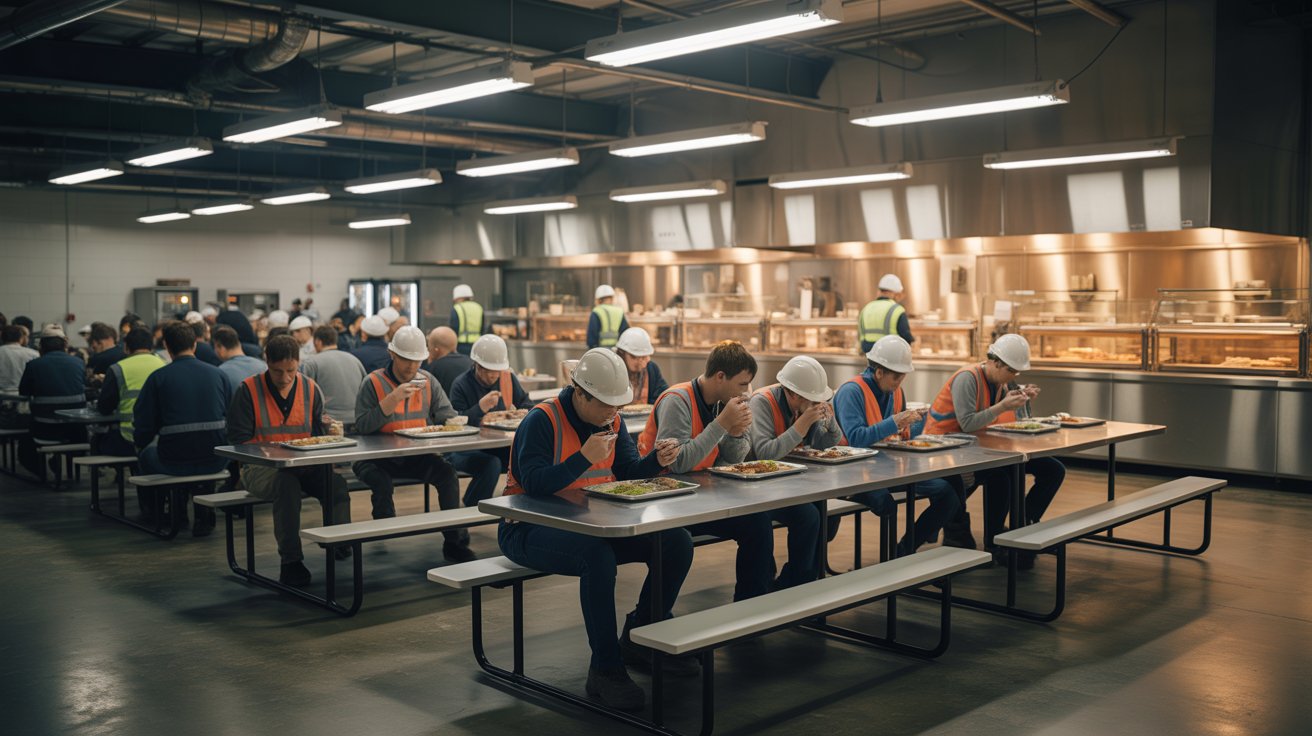
Managing an industrial canteen is a constant balancing act—high volumes, limited space, and employees relying on every meal being safe. You know what? Even a minor lapse in food safety can disrupt operations or erode trust. HACCP certification offers more than compliance; it creates structured routines that reduce risk, reassure staff, and keep kitchens humming efficiently. For industrial canteens, safety isn’t optional—it’s essential.
HACCP Explained Simply
HACCP, or Hazard Analysis and Critical Control Points, might sound like technical jargon, but it’s really just a safety roadmap. It identifies points in food preparation and storage where hazards—biological, chemical, or physical—can occur and sets controls to prevent them. In an industrial canteen, where hundreds of meals are prepared daily, HACCP ensures every plate meets consistent safety standards. Think of it as a GPS guiding your kitchen to safe meals.
Why Industrial Canteens Face Unique Challenges
Canteens in factories or large offices handle bulk food preparation and serve diverse dishes quickly. Peak hours, rotating menus, and different dietary needs add complexity. Seasonal demand, supplier variability, and large teams increase the chance of mistakes. HACCP simplifies this chaos, creating structured checks at every stage—from storage and cooking to serving—so your operation runs smoothly, even when the lunch rush feels like a marathon.
The HACCP Certification Journey: Step by Step
The idea of certification can be intimidating—audits, manuals, and logs everywhere. But here’s the thing—most industrial canteens already follow many routines informally. HACCP just organizes them into a documented system. Start with hazard analysis, define critical control points, implement monitoring, train staff, and prepare for audits. Auditors aren’t there to catch you out—they’re guides helping your kitchen operate efficiently and safely, day in and day out.
Daily Operations Where HACCP Makes a Difference
HACCP shines quietly in daily tasks: checking temperatures, rotating ingredients, cleaning equipment, and monitoring staff hygiene. You might not notice it during a hectic lunch service, but it prevents costly mistakes and potential health risks. Digital tools—like cloud-based logs or smart thermometers—make tracking easy. Staff feel more confident, knowing procedures are clear and consistent. It’s a subtle system that keeps meals safe and the canteen running without panic.
Building Trust with Staff and Management
Food safety isn’t just about regulations; it’s about people. Employees rely on safe meals to stay productive, and management trusts kitchens to operate reliably. HACCP certification sends a clear message: the canteen takes safety seriously. Beyond internal reassurance, it strengthens confidence in audits, inspections, and even workplace culture. Honestly, knowing that each meal served is consistently safe reduces stress and builds trust, quietly reinforcing the canteen’s credibility day after day.
Supplier Management: Controlling Risks Beyond Your Kitchen
Industrial canteens often source ingredients from multiple suppliers. Each vendor brings potential hazards. HACCP helps monitor and document supplier practices, ensuring that raw materials meet safety standards. Seasonal or bulk deliveries can increase risk, so traceability becomes essential. A single unsafe shipment can disrupt operations or compromise health. By auditing suppliers, documenting batches, and verifying quality, canteens keep control over what enters the kitchen, ensuring safety from delivery to plate.
Innovating Safely: HACCP for Menu Changes
Changing menus or introducing new dishes adds excitement—but also risk. HACCP provides a framework to assess hazards for new recipes, ingredients, or cooking methods before meals reach staff. By embedding checks in pilot runs and full-scale preparation, canteens can innovate confidently. Honestly, it’s like giving creativity a safety net. Staff can experiment with new ideas, seasonal menus, or healthier options, all while keeping safety and quality consistent across every meal.
Common Mistakes Canteens Make and How HACCP Fixes Them
Even experienced industrial kitchens slip up: missed temperature logs, inconsistent cleaning, or poor documentation. HACCP addresses these systematically. Procedures survive staff turnover, busy lunch hours, and seasonal rushes. Think of it as a quality checkpoint conveyor belt—errors are caught early, not after they reach employees. Mild repetition in routines reinforces habits. HACCP transforms potential chaos into predictable operations that safeguard both meals and reputation.
Cost vs Value: Is HACCP Worth It?
Certification comes with costs: training, audits, and possibly minor equipment upgrades. But consider the alternative—employee illness, legal liability, or reputational damage. For industrial canteens, margins may be tight, but the long-term value outweighs short-term expense. Fewer errors, less waste, and more efficient workflows save money and headaches. You know what? Sometimes the benefit isn’t immediately visible, but when a problem arises, you’re grateful the system was already in place.
HACCP and Staff Training: Turning Teams into Safety Champions
Even the most well-designed HACCP system can fall apart if staff aren’t properly trained. Industrial canteens rely on cooks, servers, and cleaning teams working in shifts, and everyone needs to understand hazards and procedures. Regular, practical training keeps safety top of mind, reduces mistakes during busy meal times, and fosters a culture where every team member feels responsible for delivering safe, high-quality meals. You know what? Hands-on sessions, role-playing scenarios, and clear visual reminders make learning stick, turning routine compliance into instinctive, everyday practice that benefits both staff confidence and the overall safety of the canteen operation.
Choosing the Right Certification Body
Not all HACCP certification bodies are equal. Industrial canteens need auditors familiar with bulk food prep and institutional kitchens. Look for recognized organizations like SGS, Intertek, or Bureau Veritas. Multi-location audits, experienced auditors, and responsive support matter. The right partner guides implementation efficiently, avoiding unnecessary bureaucracy. The wrong choice? It can slow operations and add stress. Picking wisely ensures the canteen benefits fully from HACCP’s structured approach.
HACCP as a Competitive Advantage
HACCP isn’t just about compliance—it’s about standing out. Industrial canteens that follow HACCP reduce risk, increase efficiency, and build trust with management and employees. Staff feel safer, and operations become more predictable. You know what’s interesting? Even small kitchens notice smoother workflows and fewer mistakes once HACCP routines are embedded. It quietly positions the canteen as reliable, professional, and conscientious—a real advantage when serving large, demanding workforces.
Final Thoughts
Food safety in industrial canteens isn’t negotiable. Employees depend on consistent, safe meals, and management expects operations to run without incident. HACCP certification offers structure, accountability, and peace of mind. It turns uncertainty into predictability, stress into confidence, and routine into reliability. For industrial canteens, it’s more than a certificate—it’s a commitment to safety, efficiency, and trust. And honestly, that’s the kind of assurance every workplace deserves.
danieln123