
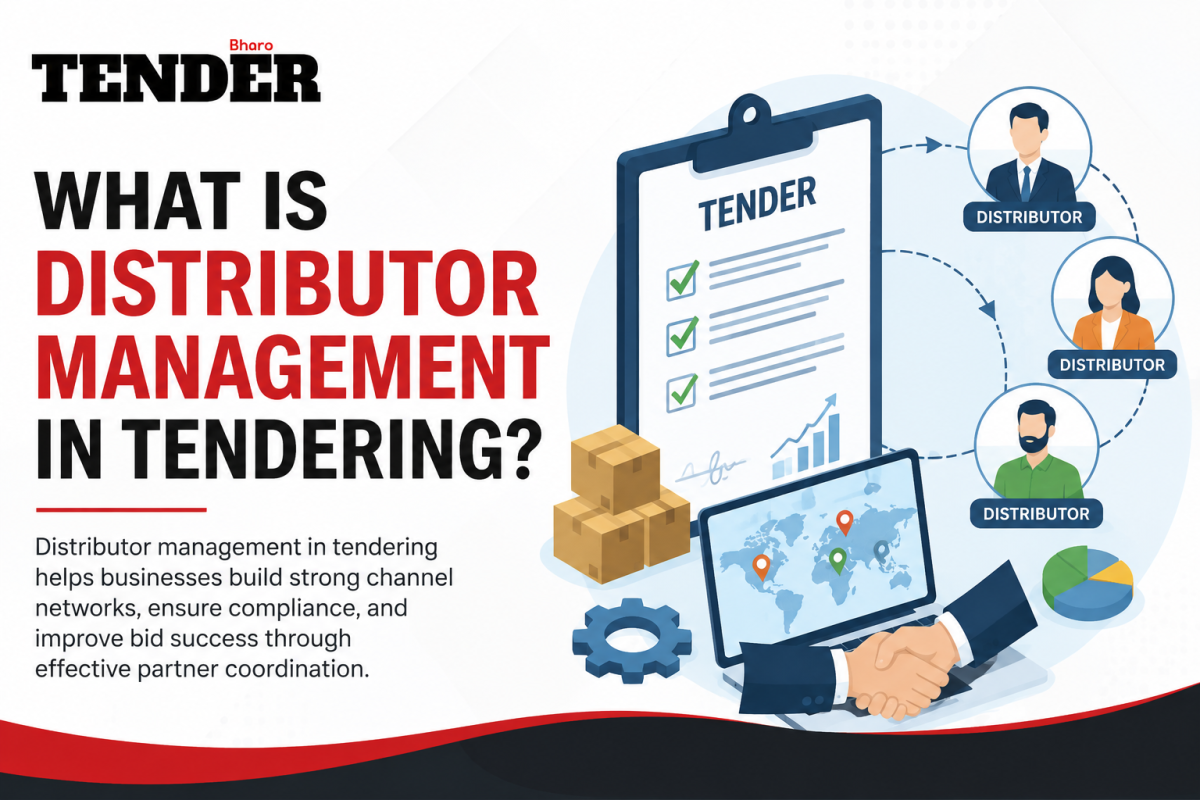
Introduction
If you’ve ever felt like your indirect sales channels are running you instead of the other way around, you are definitely not alone. Managing a sprawling network of distributors, dealers, and regional partners can feel like trying to herd cats while riding a bicycle uphill.
When you scale a business, relying solely on direct sales hits a wall eventually. You need feet on the ground in regions you can’t possibly reach yourself. But bringing outside partners into your ecosystem introduces a whole new layer of complexity—especially when high-stakes opportunities, contracts, and tenders enter the picture.
In this guide, we are going to pull back the curtain on modern distributor management. We’ll look at how to build real trust with your partners, keep communication flowing, and integrate critical workflows like distribution management to win more business together.
What Is Distributor Management (And Why Is It Hard)?

At its core, distributor management is the process of overseeing and optimizing the relationships, logistics, inventory, and sales performance of the third-party entities that sell your products.
Unlike managing an internal sales team, you can’t just hand down mandates and expect instant compliance. Distributors are independent businesses. They have their own priorities, cash flow constraints, and competing product lines. If working with your brand is difficult, slow, or confusing, they will simply shift their attention to your competitors.
Common friction points usually include:
Inventory Blind Spots: Not knowing what is sitting on their shelves versus what is actually moving.
Communication Silos: Important product updates or pricing changes getting lost in translation.
Competitive Bidding Friction: Struggling to coordinate when a massive regional contract or tender comes up for grabs.
Connecting Channel Partners to the Bid Management Process
When a big company or government contract becomes available it can be a tricky situation for distributors. They are usually the ones who know the client best. They often do not have all the necessary information, such as technical documents, pricing approvals or knowledge about the products to create a good proposal on their own.
This is where the Bid Management Process comes in. It helps to keep everything. Of leaving the Channel Partners to figure things out by themselves the company should provide support and guidance.
The Bid Management Process is very important, for the Channel Partners.
When the company makes the tender bid management process easier it gives the distributors the courage to go after deals that they would normally not consider. This changes a situation into a teamwork effort where everyone wins.
Step-by-Step: Optimizing the Bid Preparation and Submission Workflow
To keep your partners happy and win more deals, you need to break down how bids are handled across your network. Here is how top-performing companies structure it:
1. The Early Discovery Phase
Your distributors are your radar. They hear about RFPs (Request for Proposals) before anyone at corporate does. Create a simple, friction-free way for them to flag opportunities early.
2. The Collaborative Bid Preparation Process
Once an opportunity is flagged, the real work begins. This is where your internal product specialists and the distributor’s sales reps need to sync up.
-
Define clear roles on who writes what.
-
Standardize pricing and margin sharing so everyone knows their cut upfront.
-
Review compliance requirements meticulously to avoid disqualification.
3. The Final Bid Submission Process
Timing is everything. A late submission means months of wasted effort. Your distributor management software or portal should include checklist tracking and deadline reminders to ensure the final package is polished, approved, and delivered right on time.
Leveraging Technology for Smarter Channel Oversight
Spreadsheets and endless email chains simply won’t cut it once you cross a certain threshold of active partners. Modern distributor management requires a centralized hub—often a PRM (Partner Relationship Management) or specialized channel software.
A good system allows you to:
-
Automate order processing and restock alerts.
-
Track lead registration so partners don’t step on each other’s toes.
-
Centralize document repositories for proposals, marketing assets, and pricing sheets.
When your partners have instant access to the tools they need, friction disappears, and sales velocity naturally picks up.
Frequently Asked Questions
What is the primary goal of distributor management?
The primary goal of distributor management is to optimize third-party partner relationships to maximize product reach, brand consistency, and revenue growth.
How do I handle channel conflict when multiple distributors want the same tender?
Establish clear territory rules and a first-come, first-served deal registration policy inside a shared partner portal.
Why is vendor support crucial during a competitive bid?
Vendors provide the deep product knowledge and pricing flexibility needed to complement a distributor’s local relationships and win the deal.
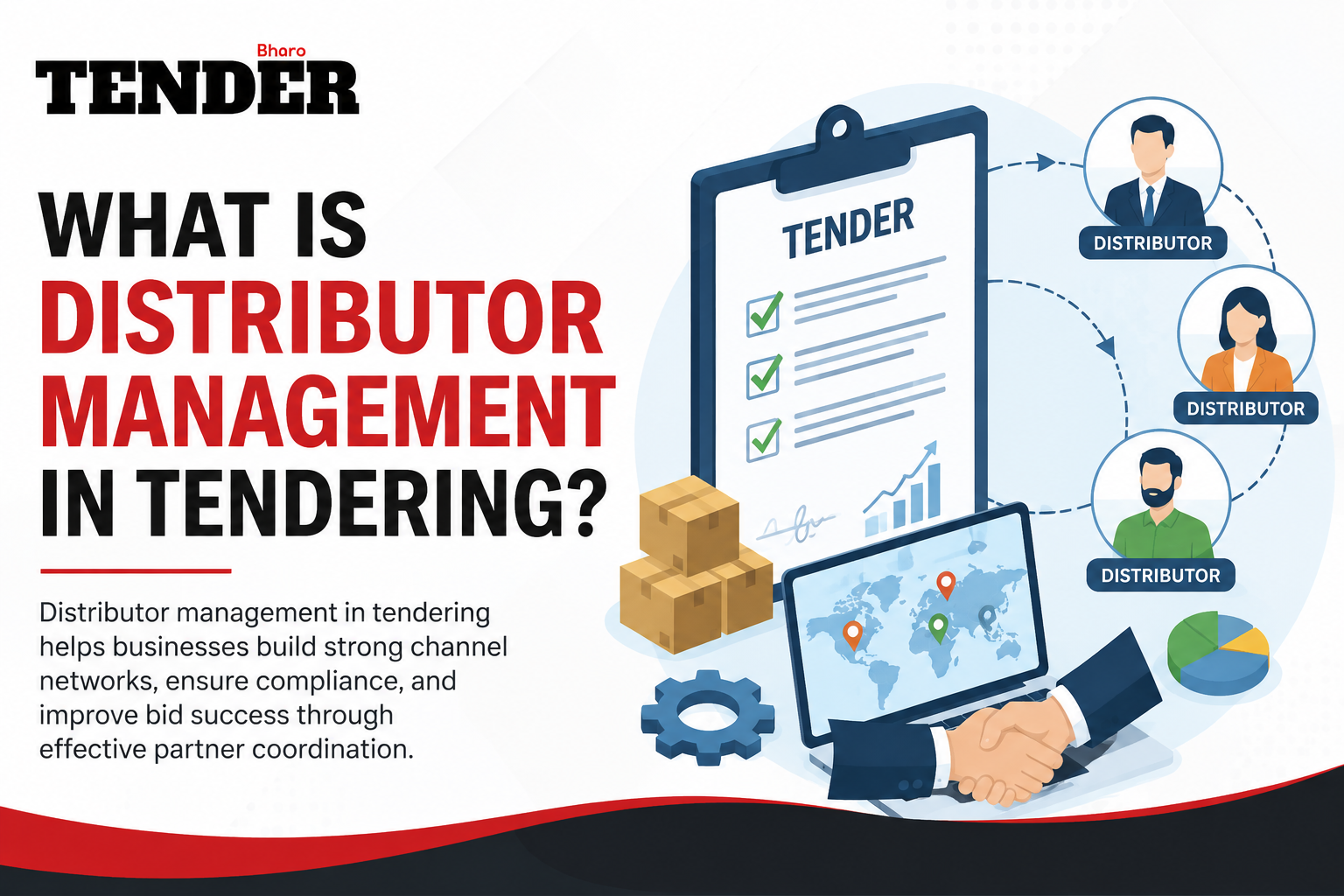
ayush