
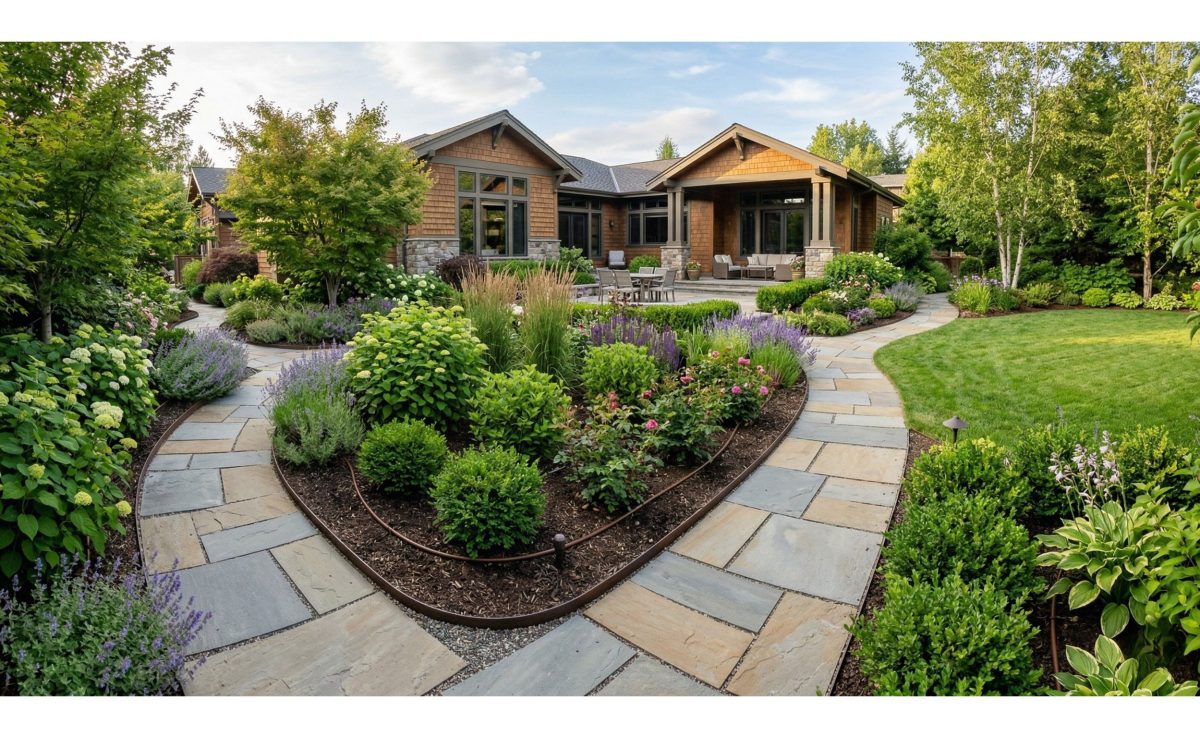
Why Is Proper Garden Planning Important for Long Term Maintenance?
Proper garden planning directly reduces the time, money, and effort you spend on maintenance over the years. When a garden is designed with a clear layout, suitable plant choices, correct soil preparation, and practical irrigation from the start, it stays healthy with far less ongoing work. Without this planning, most gardens become expensive, frustrating projects that demand constant attention just to survive.
The difference between a garden that thrives for years and one that needs fixing every few months almost always comes down to what was decided before the first plant went into the ground.
Poor Planning Creates Recurring Problems
Most maintenance headaches do not come from neglect. They come from bad decisions made at the design stage. Wrong plants placed in wrong spots. Soil that was never tested. No plan for water drainage. Grass laid over compacted ground that holds moisture and breeds fungus.
These problems show up slowly. A shrub dies after six months. A paved path floods every time it rains. Roots crack a boundary wall because a tree was planted too close. Each issue requires time and money to fix, and in many cases, the fix is only temporary because the root cause was never addressed.
The Right Plant in the Right Place
This is the single most important rule in garden planning, and it is broken constantly. People choose plants based on what looks attractive in a nursery. They rarely consider how much sunlight that spot gets, how the soil drains, or how large the plant will grow in three years.
A well planned garden accounts for:
- Sun and shade patterns throughout the day
- Soil type and drainage behavior
- Mature size of each plant
- Water needs relative to the local climate
- Proximity to walls, pipes, and foundations
When these factors are considered before planting, the garden practically takes care of itself for long stretches. When they are ignored, you end up replacing plants, treating diseases, and rearranging layouts repeatedly.
Soil Preparation Saves Years of Trouble
Skipping soil preparation is one of the most common shortcuts. Many people assume that if you dig a hole and put a plant in, it will grow. In reality, soil quality determines everything from root development to water retention to nutrient availability.
Testing soil before starting a garden project tells you the pH level, organic matter content, and texture. Based on this, you can amend the soil properly once, rather than constantly adding fertilizers and supplements later. A single round of proper soil preparation at the start can reduce fertilizer dependency for years.
Irrigation Planning Prevents Water Waste and Plant Loss
Hand watering works for a few pots. It does not work for a full garden, especially if you travel, run a business, or simply do not have the time every day. Without a planned irrigation setup, some areas get too much water while others dry out.
Drip irrigation, soaker hoses, or simple timer based sprinkler systems are not expensive. But they need to be planned into the layout before planting, not after. Retrofitting irrigation into a finished garden means digging up beds, moving plants, and spending more than you would have at the beginning.
A reliable landscaping service will always include irrigation as part of the initial design rather than treating it as an add on.
Hardscaping and Layout Affect Maintenance Load
Where you place pathways, seating areas, borders, and garden beds directly affects how easy the space is to maintain. A layout that forces you to walk through planting beds to reach a tap or move equipment creates compaction and plant damage over time.
Good layout planning considers movement patterns. It places access points where they are needed. It keeps maintenance tools and water sources within easy reach. These small decisions make weekly upkeep faster and less disruptive to the garden.
Grouping Plants by Water and Care Needs
A garden where high water plants sit next to drought tolerant species creates a constant problem. You either overwater one group or underwater the other. The same applies to fertilizer needs, pruning schedules, and sun requirements.
Grouping plants with similar needs into the same zones, sometimes called hydrozoning, makes care routines simpler. You water one zone more frequently and leave another alone. This approach reduces waste, prevents plant stress, and cuts down the total time spent in the garden each week.
Budgeting for Maintenance During the Planning Stage
Many people spend their entire budget on the installation and leave nothing for upkeep. A garden is a living system. It needs seasonal pruning, pest management, mulch replacement, and occasional replanting. If you do not budget for this during the planning phase, the garden slowly declines.
A practical approach is to set aside 10 to 15 percent of your total project cost annually for maintenance. This covers routine care and unexpected issues like storm damage or pest outbreaks. When you work with a professional landscaping service, they can usually offer a maintenance plan that fits within this budget range.
Planning for Growth and Change
Plants grow. Trees spread. Groundcovers expand. A garden planned without accounting for mature sizes ends up overcrowded within two to three years. Overcrowding leads to competition for light and nutrients, increased disease risk, and a messy appearance.
Good planning spaces plants based on their expected size at maturity, not their size at the nursery. It also considers seasonal changes, so the garden does not look bare in winter or overgrown in summer.
Conclusion
Long term garden maintenance becomes manageable when the groundwork is done right. Soil testing, smart plant placement, proper irrigation, thoughtful layout, and a realistic maintenance budget all start at the planning stage. Skipping any of these leads to higher costs and more work down the road. The time you invest in planning pays back every single season in lower effort, fewer replacements, and a garden that actually looks the way you intended it to.
Frequently Asked Questions
Q.1 How much time does proper garden planning take?
Ans: For a typical residential garden, a thorough planning phase takes two to four weeks. This includes site assessment, soil testing, layout design, and plant selection before any work begins on the ground.
Q.2 Can I plan a garden myself or should I hire a professional?
Ans: You can plan a small garden yourself if you research soil, sunlight, and plant requirements. For larger or more complex spaces, hiring a professional saves time and prevents costly mistakes.
Q.3 What is the most common garden planning mistake?
Ans: Choosing plants based only on appearance without checking if they suit the local climate, soil type, or available sunlight. This leads to frequent replacements and high maintenance.
Q.4 How often does a well planned garden need maintenance?
Ans: Most well planned gardens need light weekly attention and a more detailed seasonal checkup roughly four times a year. This is significantly less than poorly planned gardens.
Q.5 Does garden planning reduce water usage?
Ans: Yes. Proper planning includes irrigation design and hydrozoning, which together can reduce water consumption by 30 to 50 percent compared to unplanned hand watering.
Steve Smith