


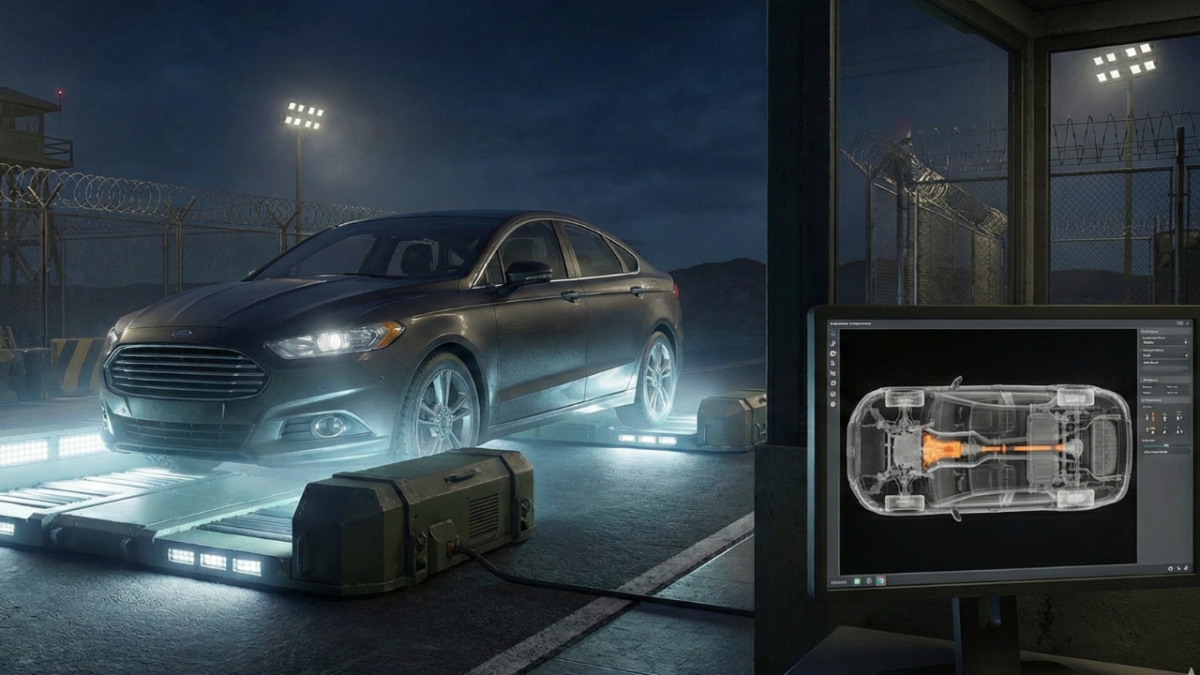
High-traffic entry points are among the most challenging areas to secure. Locations such as airports, logistics hubs, government complexes, corporate campuses, industrial facilities, and gated communities must process a constant flow of vehicles without compromising safety. As traffic volume increases, traditional inspection methods struggle to keep up, often creating bottlenecks, inconsistencies, and security gaps. To address these challenges, facilities are increasingly turning to smarter screening technologies that combine automation, intelligent imaging, and real-time analysis.
The Growing Pressure on Entry Point Security
Vehicle traffic at secure locations has grown significantly over the years. Supply chains are faster, urban environments are denser, and facilities operate around the clock. This puts immense pressure on security teams tasked with inspecting every vehicle entering a controlled area.
Manual inspection methods are not designed for such scale. Guards must work quickly, often under stressful conditions, while trying to detect increasingly sophisticated threats. As traffic increases, the likelihood of missed details rises—creating vulnerabilities that can be exploited.
Why Manual Screening Falls Short in High-Traffic Environments
Traditional vehicle screening relies heavily on visual checks, mirrors, and human judgment. While these methods may catch obvious issues, they are far from foolproof, especially in high-volume scenarios.
Common challenges include:
-
Fatigue and inconsistency during long shifts
-
Limited visibility of concealed or hard-to-reach areas
-
Time constraints that force rushed inspections
-
Human error caused by repetition and pressure
When hundreds or thousands of vehicles must be processed daily, manual inspections simply cannot maintain the level of accuracy required for modern security standards.
Smarter Screening Technologies Enable Faster Throughput
One of the most critical advantages of intelligent screening technologies is speed. Automated systems are designed to inspect vehicles quickly while maintaining consistent accuracy. Vehicles can be screened as they move through entry points, reducing wait times and preventing traffic congestion.
Faster throughput benefits both security teams and vehicle operators. Authorized vehicles experience minimal delays, while suspicious entries are flagged instantly for secondary inspection. This balance between speed and safety is essential for high-traffic environments where efficiency directly impacts operations.
Improved Accuracy Through Automation and Imaging
Smart screening technologies leverage advanced imaging, lighting, and analytics to capture detailed visuals of areas that are difficult or impossible to inspect manually. Automated analysis highlights anomalies, structural changes, or foreign objects that could indicate a threat.
Unlike human inspection, automated systems do not suffer from distraction or fatigue. Each vehicle is screened with the same level of precision, ensuring consistent results regardless of traffic volume or time of day.
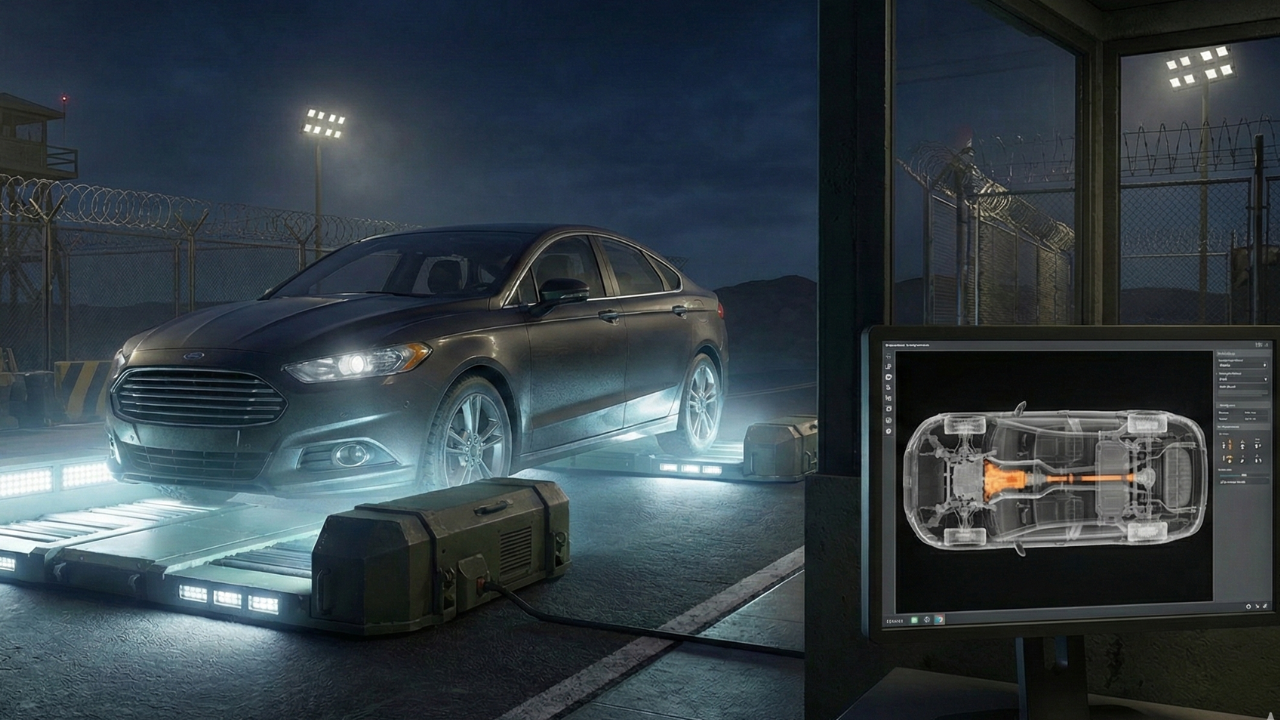
Technologies such as UVSS enable undercarriage scanning that reveals hidden risks without slowing traffic, making them especially valuable at busy entry points where accuracy cannot be compromised.
Reducing Security Blind Spots at Busy Gates
High-traffic entry points often develop “security blind spots” due to time pressure and limited visibility. These blind spots can include vehicle undersides, concealed compartments, or modifications designed to evade detection.
Smarter screening technologies are built specifically to eliminate these gaps. Automated scanning ensures complete coverage of critical inspection zones, leaving little room for threats to go unnoticed. By addressing blind spots, facilities significantly reduce the risk of unauthorized access or dangerous materials entering secured areas.
Enhancing Safety for Security Personnel
Manual vehicle inspections can put security staff at risk, particularly when they must physically approach unknown vehicles. Smarter screening systems reduce the need for close contact, allowing inspections to be performed remotely from a control room.
This approach not only improves safety but also enhances decision-making. Security personnel can review high-resolution images, receive automated alerts, and focus their attention on vehicles that truly require intervention, rather than inspecting every vehicle up close.
Data-Driven Security and Compliance Benefits
Another major advantage of intelligent screening technologies is data collection. Every scan generates digital records, including images, timestamps, and inspection results. This data supports:
-
Audit readiness
-
Incident investigations
-
Regulatory compliance
-
Trend analysis and risk assessment
Over time, facilities can analyze patterns in vehicle traffic and identify recurring risks, enabling proactive security improvements rather than reactive responses.
Scalability for Growing Traffic Volumes
High-traffic entry points rarely remain static. As facilities expand or operational demands increase, security systems must scale accordingly. Smart screening technologies are designed with scalability in mind, allowing facilities to handle higher volumes without adding proportional manpower.
Whether managing peak-hour congestion or long-term growth, automated screening ensures that security standards remain consistent even as traffic increases.
Conclusion
High-traffic entry points represent a critical intersection between operational efficiency and security risk. Traditional manual inspections are no longer sufficient to handle the speed, volume, and complexity of modern vehicle access. Smarter screening technologies offer a solution that combines automation, accuracy, and safety—without creating delays or blind spots.
By adopting intelligent vehicle screening systems, facilities can maintain smooth traffic flow, protect personnel, and detect threats that would otherwise go unnoticed. In an environment where every second and every detail matters, smarter screening is not just an upgrade—it is a necessity.
Commport Technologies