


Deciding whether to repair an aging furnace or invest in a full replacement is one of the more difficult calls a homeowner has to make. Wait too long, and you risk a complete breakdown during the coldest week of winter. Replace too early, and you may be spending money on a system that had years of useful life left. Understanding the key factors age, repair history, efficiency, and safety helps homeowners make this decision with confidence rather than waiting for an emergency to force the issue.
Consider the Age of Your System
Furnace age is one of the clearest indicators of when replacement should enter the conversation. Most furnaces are designed to last between 15 and 20 years with proper maintenance, though this can vary based on usage patterns, installation quality, and how consistently the system has been serviced over its lifetime.
A furnace in the 10-to-15-year range that’s still running well may only need continued maintenance, but one approaching or exceeding 15 years should prompt homeowners to start thinking ahead. Even a furnace without obvious problems is operating on borrowed time once it passes typical lifespan expectations, and planning for replacement before a failure occurs is far less stressful than scrambling during a midwinter breakdown.
Frequency and Cost of Repairs
A single repair doesn’t necessarily mean it’s time to replace a furnace, but a pattern of frequent breakdowns is a strong signal that the system is nearing the end of its useful life. A commonly used guideline is the “50% rule”: if a repair costs 50% or more of what a new furnace installation would cost, replacement is typically the more financially sound choice, especially for an older unit likely to need additional repairs soon after.
Homeowners who find themselves calling for repairs multiple times per season, even for relatively minor issues, are often better served financially by redirecting that repair spending toward a new, more reliable system rather than continuing to patch an aging one.
Rising Energy Bills
Furnaces lose efficiency gradually as components wear down, ductwork accumulates leaks, and heat exchangers become less effective at transferring heat. If energy bills have crept up noticeably over the past few seasons without a corresponding increase in usage, declining furnace efficiency is a likely contributor.
Older furnaces, particularly those installed before modern efficiency standards, often operate at 70–80% AFUE compared to 95% or higher for many current models. That efficiency gap translates directly into higher fuel costs every single month the old system continues running, meaning a replacement can start paying for itself through energy savings alone.
Uneven or Inconsistent Heating
A furnace that once heated the home evenly but now leaves certain rooms noticeably colder, or struggles to reach the temperature set on the thermostat, may be losing capacity due to internal wear rather than a fixable component issue. While ductwork and insulation problems can also cause uneven heating, a system that’s aging alongside these symptoms is worth having evaluated for overall condition, not just the specific complaint at hand.
Visible Signs of Wear or Damage
Physical indicators like rust on the furnace cabinet, corrosion near the heat exchanger, or visible cracks are serious warning signs that shouldn’t be ignored. A cracked heat exchanger, in particular, is often considered a safety issue rather than a simple repair, since it can allow carbon monoxide to enter the home’s air supply. When a furnace shows this level of physical deterioration, replacement is typically recommended over repair, regardless of the system’s exact age.
Yellow Burner Flame or Soot Buildup
A furnace’s burner flame should burn a steady blue. A yellow or flickering flame, along with soot accumulation around the burner assembly, can indicate incomplete combustion a problem that affects both efficiency and safety. While this issue sometimes has a fixable cause, its presence alongside an aging system is another data point worth factoring into the replacement decision, since it may signal broader wear throughout the unit.
Increased Dust and Declining Air Quality
An aging furnace that’s accumulated years of internal wear can contribute to increased dust circulation throughout the home, even with regular filter changes. Scheduling furnace cleaning in Denver can temporarily improve this, but if dust and air quality issues persist despite regular cleaning, it may indicate the unit itself is reaching the point where cleaning alone can no longer fully compensate for its declining condition.
Noisy Operation That Doesn’t Improve With Maintenance
Some noise is normal in any furnace, but persistent squealing, grinding, or banging that continues even after routine maintenance and component replacement suggests the system is struggling mechanically overall, rather than dealing with one isolated issue. When noise problems keep recurring despite reasonable attempts to address them, it’s often a sign that the furnace as a whole is wearing out rather than any single fixable part.
Getting a Professional Assessment
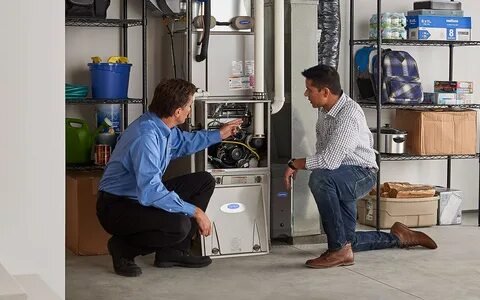
Because the decision between repair and replacement involves multiple factors age, repair costs, efficiency, and safety a professional evaluation provides far more clarity than guesswork. A technician can assess the heat exchanger’s condition, measure actual combustion efficiency, and provide a realistic estimate of how much longer the current system is likely to perform reliably.
Scheduling a furnace cleaning service in Denver alongside a general inspection can also reveal how much of a system’s declining performance is due to accumulated dust and debris versus genuine mechanical wear, helping homeowners understand whether a thorough cleaning might reasonably extend the furnace’s life or whether replacement is the more practical path forward.
Weighing the Financial Picture
Replacing a furnace is a significant upfront expense, but it’s worth evaluating against the cumulative cost of continued repairs, rising energy bills, and the eventual certainty of replacement regardless of when it happens. Many homeowners find that addressing the decision proactively, rather than waiting for a complete failure, allows for better planning, more competitive pricing, and the ability to choose a system that fits their home’s needs rather than making a rushed decision during an emergency.
Final Thoughts
There’s rarely a single moment that makes the repair-versus-replace decision obvious. Instead, it’s the combination of age, repair frequency, rising bills, and visible wear that gradually points toward replacement being the smarter long-term choice. Homeowners who pay attention to these signals and seek a professional assessment when several appear together are best positioned to replace their furnace on their own terms, rather than being forced into an urgent decision during the depths of winter.
Farnendaz