


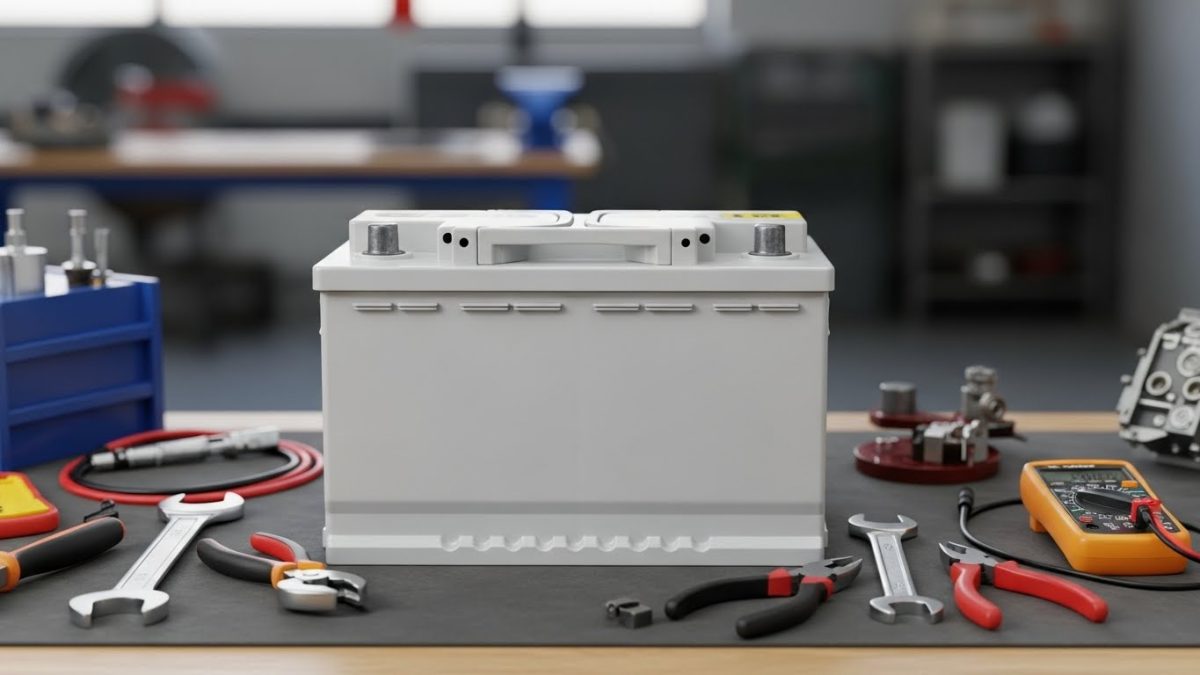
Owning a vehicle that combines electric and gasoline propulsion offers numerous advantages, from reduced fuel costs to lower environmental impact. These innovative automobiles rely on sophisticated power storage systems that enable electric driving and regenerative braking capabilities. As these vehicles accumulate mileage over years of service, their energy storage components naturally experience wear that can diminish overall performance. Drivers may encounter warning lights, reduced efficiency, or changes in how their vehicle operates as these systems age and develop issues requiring professional evaluation.
Many owners feel uncertain about their options when facing power system problems, often assuming that expensive complete replacement represents the only viable solution. Advances in automotive technology and diagnostic capabilities have created alternative pathways that address specific component failures while preserving functional elements. Understanding these options helps drivers make informed choices that balance performance restoration with financial considerations, allowing them to continue enjoying their vehicles for many additional years.
Early Warning Signs of Power System Issues
Modern vehicles equipped with dual propulsion systems include sophisticated monitoring computers that constantly track energy storage performance. These systems measure voltage levels, temperature fluctuations, and charge capacity across all components within the power pack. When certain elements begin operating outside normal parameters, the vehicle’s computer implements protective measures that limit performance to prevent further damage. Owners often notice these limitations as decreased electric range, more frequent combustion engine operation, or reduced acceleration capability.
Climate conditions and driving habits both influence how quickly energy storage components degrade. Frequent short trips prevent full charge cycles, while extreme temperatures accelerate chemical reactions within cells that lead to capacity loss. Some individual cells within a pack naturally deteriorate faster than others due to position, heat exposure, or manufacturing variations. These differences create imbalances that affect the entire system even when most components remain healthy and capable of continued service.
Professional Assessment and Restoration Options
Experienced technicians utilize specialized equipment to conduct thorough evaluations that examine each module within a power pack individually. This detailed analysis measures voltage output, internal resistance, and actual capacity to identify which specific components have fallen below acceptable thresholds. The comprehensive data collected during this process provides clear insight into overall system health and guides decisions about the most effective intervention strategies for each unique situation.
Modern approaches to addressing power system problems focus on precision rather than wholesale replacement. Skilled professionals can identify degraded modules and replace only those components while retaining elements that continue performing within specifications. This selective methodology allows hybrid battery repair to restore full functionality without the expense of replacing an entire pack. Reconditioning techniques further enhance results by balancing the remaining cells and optimizing their performance as a unified system. These targeted interventions extend service life significantly while managing costs more effectively than traditional replacement approaches.
Technical Methodology Behind System Restoration
Proper restoration begins with careful disassembly of the power pack to access individual modules for hands-on evaluation. Each component undergoes testing to confirm diagnostic findings and verify which elements require replacement. Technicians select replacement modules based on careful matching of electrical characteristics including voltage output, internal resistance, and capacity measurements. This precision ensures that new components integrate seamlessly with existing healthy elements.
Following component replacement, balancing procedures optimize the entire pack for uniform performance. These processes involve controlled charging and discharging cycles that bring each cell to its ideal state. Sophisticated monitoring equipment tracks temperature, current flow, and voltage throughout these cycles to maintain safe operating conditions. Balancing eliminates inconsistencies that developed over time, creating a cohesive system where all elements contribute equally to overall performance. The result is a revitalized power pack that operates with efficiency approaching that of a new system.
Financial Benefits of Component-Level Intervention
Understanding cost implications helps vehicle owners evaluate their options when addressing power system issues. Traditional complete pack replacement through authorized service centers can exceed several thousand dollars, sometimes approaching or even surpassing the current market value of older vehicles. This substantial expense creates difficult decisions for owners of mechanically sound vehicles that could provide years of additional reliable transportation if the power system were restored.
Repair methodologies that address specific failed components rather than replacing entire assemblies typically reduce costs by fifty percent or more compared to complete replacement. This significant savings makes restoration a practical choice for many owners who want to continue driving their vehicles without major financial burden. When considering the additional years of service that proper restoration provides, the investment becomes even more attractive. Owners can continue enjoying fuel efficiency advantages and reduced emissions while avoiding the depreciation and expense associated with purchasing a newer vehicle.
Sustainability Considerations in Power System Management
Choosing repair over replacement reflects environmental responsibility that aligns with the values driving many eco-friendly vehicle purchases. Manufacturing new power packs requires substantial energy consumption and extraction of rare earth minerals through environmentally impactful mining operations. Lithium, cobalt, nickel, and other materials needed for battery production come from sources around the globe, each with associated environmental costs. Extending the service life of existing components reduces demand for new manufacturing and lessens the ecological footprint of vehicle ownership.
Proper disposal and recycling of components that have reached end of life ensures valuable materials re-enter the supply chain. Certified recycling facilities safely process these materials according to environmental standards, recovering elements for use in future manufacturing. This circular approach maximizes resource efficiency and minimizes waste throughout the entire product lifecycle. Vehicle owners who choose repair contribute to this more sustainable model of resource management.
Making Informed Decisions About Your Vehicle
Several considerations influence which approach best serves individual circumstances. Vehicle age and condition matter significantly when determining appropriate investment levels. Newer vehicles with substantial remaining value justify more comprehensive restoration efforts, while older models might benefit from economical solutions that provide several more years of dependable service. Overall mechanical condition also plays a role, as investing in power system restoration makes most sense when other major components remain healthy.
Personal plans for vehicle ownership duration affect decision making as well. Drivers intending to keep their vehicles for extended periods gain maximum value from thorough restoration that optimizes longevity. Those considering replacement within a few years might prefer minimal interventions that address immediate concerns without extensive financial commitment. Consulting with knowledgeable professionals who provide honest assessments helps owners understand realistic expectations and make choices aligned with their specific situations.
Conclusion
Power systems in vehicles combining electric and gasoline propulsion represent advanced technology that occasionally needs professional attention to maintain optimal performance. Rather than viewing component degradation as requiring complete replacement, modern repair methodologies offer targeted solutions that address specific failures while preserving functional elements. This approach extends system life, manages costs effectively, and supports environmental sustainability. Through proper assessment and appropriate intervention, these vehicles continue delivering the efficiency and reduced emissions that make them attractive transportation choices. Owners who invest in maintaining their power systems enjoy extended service life and continued benefits while making responsible decisions that maximize value and minimize environmental impact throughout their vehicle ownership experience.
Kian Frost