
An unused vehicle can sit quietly in a driveway for months while still creating problems. It may take up valuable parking space, continue to lose value or require repairs that cost more than the vehicle is worth. In some cases, registration, insurance and maintenance expenses continue even though the car is rarely driven.
For Sydney vehicle owners, deciding what to do with an ageing or damaged car is not always straightforward. A private sale may require advertising, cleaning, inspections and negotiations. Trading it in may not be worthwhile, particularly if it is unregistered, mechanically faulty or damaged.
A professional car-buying service offers another option if you are considering selling your unwanted car in Sydney; understanding how the process works can help you make a practical, informed decision.
When Is a Car Considered Unwanted?
A vehicle does not need to be completely beyond repair to be unwanted. The term can apply to almost any car that its owner no longer needs or wants to maintain.
Common examples include:
- Cars with major mechanical faults
- Accident-damaged or written-off vehicles
- Unregistered vehicles
- Old family cars that have been replaced
- Vehicles left behind after moving house
- Cars with expensive transmission or engine problems
- Flood, hail or fire-damaged vehicles
- Commercial vehicles no longer required by a business.
- Cars that have failed to attract private buyers
Even a running vehicle can become inconvenient when its maintenance costs rise, or it no longer suits the owner’s lifestyle. The important point is that the car may still have value through its usable components, body panels or recyclable materials.
Why Keeping an Unused Vehicle Can Cost You
It is easy to postpone selling a vehicle when it is parked off the road, but waiting can reduce its value. Weather exposure may damage the paint, tyres, battery, interior and electrical systems. Rust can also spread when a car remains outside for an extended period.
An unused vehicle may create additional concerns for renters, strata residents and households with limited off-street parking. Leaking oil, coolant, or fuel can stain the ground and pose environmental or safety risks.
Selling earlier may help preserve the value of recoverable parts. It also removes the need to spend money on storage, repairs or preparation for a private sale.
What Determines the Value of the Vehicle?
A car’s age is only one part of its valuation. Professional buyers generally consider several details before preparing an offer.
Make, model and year.
Popular vehicles may have stronger demand for replacement components. This can increase a car’s value even when it is no longer roadworthy.
Overall condition
A running vehicle will generally be worth more than an incomplete one of the same model. However, damaged cars can retain value when their engines, transmissions, wheels, panels or other parts remain usable.
Current parts demand
Some components are difficult or expensive to source. A vehicle with sought-after parts may receive a stronger offer than expected.
Scrap material value
Steel, aluminium, copper and other materials can contribute to the final valuation when a vehicle is suitable for dismantling or recycling.
Vehicle location
Access to the vehicle can affect collection arrangements. Owners should tell the buyer if the car is in a basement, a narrow driveway, a locked garage, or another difficult location.
Providing accurate information and clear photographs usually helps the buyer calculate a more realistic quote.
Selling Privately Versus Using a Car Buyer
A private listing may suit a registered, roadworthy vehicle with strong resale demand. The owner can set an asking price and negotiate directly with potential purchasers. However, the process may take time and does not guarantee a completed sale.
Private sellers often need to clean the vehicle, take photographs, prepare an advertisement and respond to enquiries. Some buyers may arrange an inspection and then fail to attend. Others may negotiate heavily after seeing the car.
People searching online for “sell my car” services are often looking for a faster alternative. A direct car buyer may be more suitable when the vehicle is damaged, unregistered, difficult to move or unlikely to appeal to a private purchaser.
Sydney owners with newer or roadworthy vehicles may also consider cash for used cars Sydney as an alternative to advertising independently.
How the Car-Selling Process Usually Works
While individual businesses may have different procedures, the process generally involves a few simple steps.
1. Share the vehicle details
The owner provides the make, model, year, condition and location. It is important to mention major damage, missing parts, mechanical problems and whether the vehicle starts.
2. Receive and review the offer
The buyer assesses the information and provides a quote. Before accepting, the owner should confirm whether towing is included and whether any fees could be deducted later.
3. Arrange collection
A suitable pickup time is organised. Vehicle accessibility should be discussed in advance so the correct towing equipment can be sent.
4. Complete the required paperwork
The registered operator should have identification and proof of ownership available. Depending on the vehicle’s registration status and the type of transaction, additional NSW documentation may be required.
5. Confirm payment
The agreed amount and payment method should be confirmed before the vehicle is removed. The seller should also request a receipt or written record of the transaction.
What Should You Prepare Before Pickup?
A little preparation can make collection easier. Remove all personal belongings from the cabin, boot, glovebox and storage compartments. Check beneath the seats and disconnect any electronic toll tag linked to your account.
Keep the following items ready where applicable:
- Photo identification
- Proof that you own the vehicle
- Registration documents
- Vehicle keys
- Service records, if available
- Finance payout information, if money is still owing
Number plates and registration requirements can vary according to the circumstances. Vehicle owners should check current Service NSW guidance rather than assuming that the buyer will complete every step on their behalf.
If you want a more detailed explanation of valuation factors, read this guide to getting the best return for an old car in Sydney.
How to Choose a Reliable Buyer
Not every offer should be judged by the quoted amount alone. A high initial quote may be less attractive if unexpected towing or handling charges are later deducted.
Before making a decision, ask the buyer:
- Is vehicle collection included?
- Is the quote based on the information already provided?
- When and how will payment be made?
- Will I receive a receipt?
- What documents are required?
- Can the vehicle be collected from its current position?
- Are there circumstances in which the offer may change?
Reputable scrap car buyers should explain their process clearly and allow you to review the offer without pressure. Avoid handing over the car if the payment terms, paperwork, or the buyer’s identity remain unclear.
Can a Car Still Be Sold If It Does Not Run?
In many cases, yes. A non-running vehicle can retain value through working components and recyclable metals. Problems such as a flat battery, a damaged engine, a failed gearbox, or missing registration do not automatically make a car worthless.
Be honest about its condition from the beginning. If the vehicle has no wheels, is partly dismantled or cannot be accessed by a standard tow truck, mention this when requesting the quote. Accurate details reduce the likelihood of delays or changes during collection.
A Practical Way to Clear the Space
Keeping unwanted cars rarely makes them more valuable. As time passes, their condition can deteriorate while repair, registration and storage costs continue to grow.
A direct sale can remove the burden without the long preparation associated with a private listing. By describing the vehicle honestly, checking the terms of the offer and preparing the necessary documents, Sydney owners can complete the process with fewer surprises.
The best decision is not always the one with the highest advertised figure. It is the option that provides a fair valuation, clear payment terms, suitable collection and proper documentation from beginning to end.
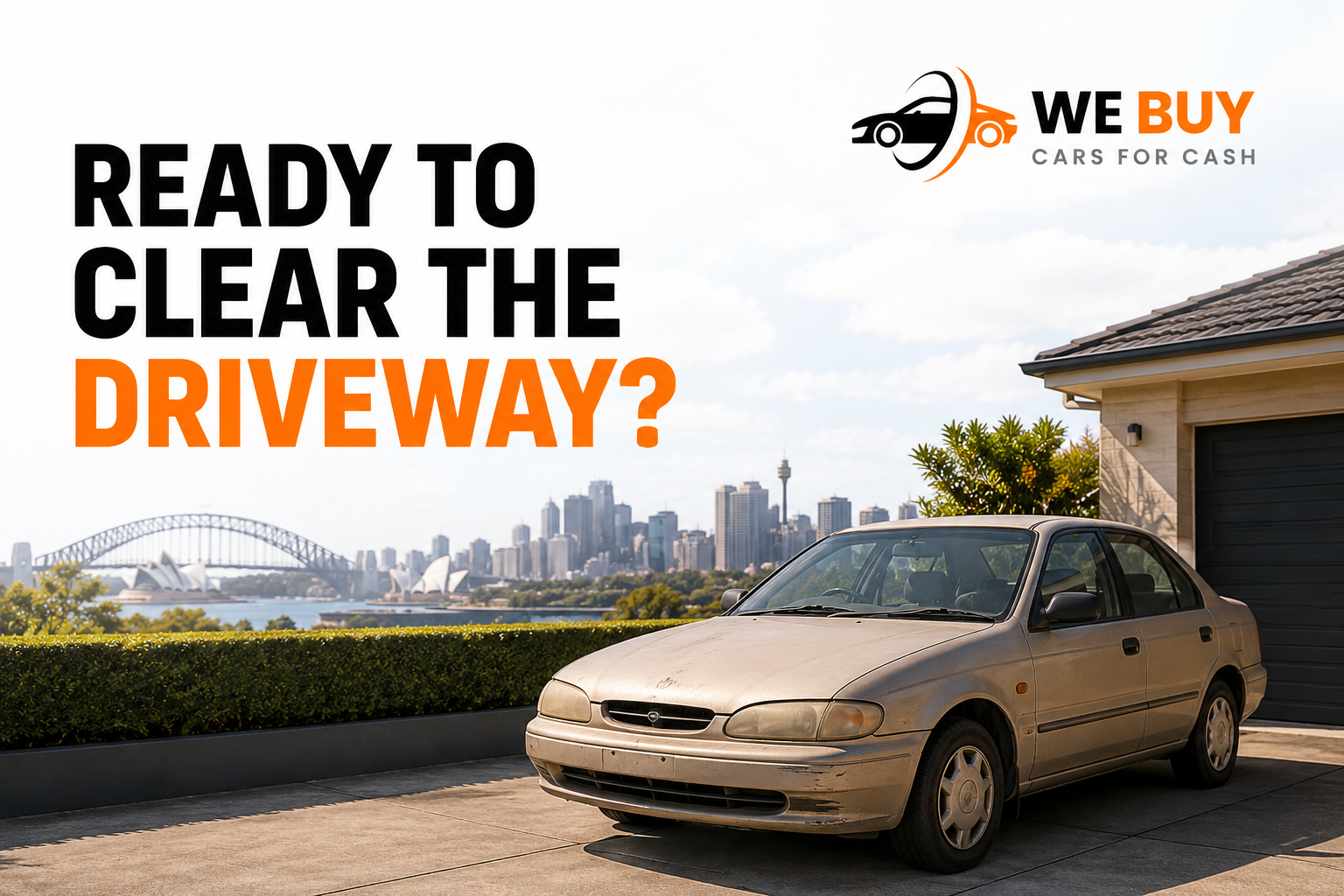
We Buy Cars For Cash Sydney