
Accidents are stressful, even when the damage is minor. The shock of the moment is often followed by confusion, frustration, and a flood of decisions to make. One of the biggest questions people face is what to do with the car afterwards. Should you repair it, go through an insurance claim, or skip the headache and sell it for scrap?
The answer isn’t the same for everyone, because every accident, vehicle, and budget is different. This guide breaks down your options in a clear, practical way to help you make a smart decision, without wasting time or money.
Assessing the Damage: First Steps Before Making a Decision
Before you pick a direction, you need a realistic idea of what you’re dealing with.
1. Check the repair costs
A cosmetic scrape might cost a few hundred dollars, while structural damage can easily run into the thousands. Modern cars are full of sensors, wiring, and panels that are expensive to replace, even for light damage.
Most workshops will provide a free, basic assessment. If you’re unsure, get two quotes for comparison.
2. Consider safety
Cosmetic damage is mostly harmless, but anything that affects frame alignment, suspension, airbags, or fluids can make the car unsafe to drive. Safety should always guide your next move.
3. Insurance involvement
Depending on your policy, an accident may trigger no-claim penalties or excess fees. It’s important to know whether making a claim is worth it, or if you should deal with the situation privately.
Option 1: Repair the Car – When Is It Worth It?
Repairs are a common route, especially when the vehicle is still relatively new or valuable. But repairs aren’t always the cheapest or most practical solution.
✔️ Repairing makes sense if:
-
Damage is minor or cosmetic
-
The car is fairly new or still under warranty
-
You can afford temporary downtime
-
Repair costs are less than the car’s market value
✖️ Repairing may NOT make sense if:
-
The car already has high mileage
-
Panel and paint work exceeds its value
-
Structural damage is involved
-
You’re planning to replace the car soon
Risks with repairing
-
Hidden mechanical issues can show up later
-
Delays due to parts availability
-
High labour costs in Australian workshops
Even when insurers cover repairs, you may still face excess fees or higher premiums going forward. A quick conversation with your insurer can clarify whether it’s worth proceeding.
Option 2: Make an Insurance Claim – A Common but Not Always Easy Path
Insurance claims help if you’re dealing with major damage or another driver caused the crash. However, they can be time-consuming and may lead to future costs.
✔️ Claiming is beneficial when:
-
A third party is at fault
-
Repairs are costly and unavoidable
-
Your vehicle is relatively new
-
You have comprehensive coverage
✖️ Claiming might not be ideal if:
-
Repair costs are small
-
You have a high excess
-
You’re concerned about premium increases
-
You’re driving an older vehicle with low value
Write-off situation
If repairs cost more than the vehicle is worth, the insurer may declare it a write-off. In that case, you’re usually offered a payout and the damaged car is sold for salvage.
This can be convenient, but payouts don’t always reflect market value, especially on older or modified vehicles.
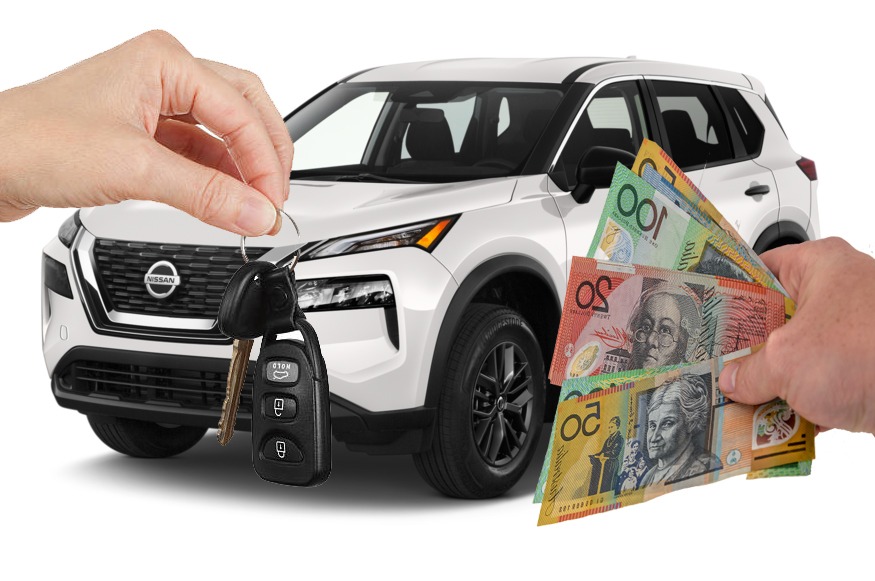
Option 3: Sell the Car for Scrap – A Fast, Stress-Free Alternative
If the cost of repairs is higher than the vehicle’s value, selling for scrap can be a smart, practical move. It allows you to skip time-consuming repairs, avoid insurance disputes, and instantly clear space.
✔️ Selling for scrap is ideal when:
-
The car is old, damaged, or non-running
-
Repair costs exceed market value
-
You don’t want to deal with paperwork or claims
-
You need fast cash
Many companies that sell car brisbane offer:
-
Free towing
-
Same-day pickup
-
Instant payments
-
No advertising or negotiation
This makes it appealing for people who simply want the problem gone.
How scrap valuation works
Scrap value is determined by:
-
Weight of metal
-
Resale value of parts
-
Current scrap metal prices
Don’t expect retail market value, but you can often get a fair payout for damaged vehicles without effort.
Comparing Your Options: Which Choice Makes the Most Sense?
Below is a quick comparison to help guide your decision:
| Situation | Best Option |
|---|---|
| Minor, cheap damage | Repair |
| Major damage to new car | Insurance claim |
| Major damage to old car | Scrap |
| No insurance coverage | Scrap or independent repair |
| Fast cash needed | Scrap |
| Third party at fault | Claim |
| sentimental or valuable car | Repair, if feasible |
When the Car Is Still Drivable: Temporary Solutions
Not everyone has time or money for immediate decisions. If the car can still be driven safely, you might:
-
Do temporary repairs
-
Delay insurance involvement
-
Get multiple quotes
-
Compare scrap offers
-
Check parts availability
However, don’t drive a vehicle with:
-
Airbag faults
-
Fluid leaks
-
Bent suspension
-
Broken lights
It may be dangerous and illegal.
Hidden Costs People Often Forget
Accidents can create additional expenses beyond repair bills, including:
-
Towing fees
-
Storage charges
-
Rental cars
-
Replacement parts delays
-
Lost work time
Selling the damaged car for cash can bypass many of these problems.
Environmental Impact: Recycling Doesn’t Mean Dumping
Scrap yards and auto recyclers don’t simply dump cars in landfill. Most parts are:
-
Recycled
-
Re-used
-
Re-sold
This includes engines, tyres, batteries, panels, and fluids. Selling a car for scrap can actually be one of the most environmentally responsible options, especially for heavily damaged vehicles.
For more insight, the Australian Government provides guidelines on automotive waste recycling:
(External reference: yourmechanic or gov site placeholder link)
Tips to Get the Best Price When Selling for Scrap
If you decide to scrap the vehicle, follow these simple steps:
-
Remove personal items
-
Have papers ready
-
Check multiple quotes
-
Avoid middlemen
-
Ask about free towing
Most reputable companies offer on-the-spot payment to make the process easier.
Internal Resources
If you’re exploring options, you can also read:
-
Guide to Selling a Damaged Car for Cash (internal link)
-
How Scrap Metal Prices Affect Car Value (internal link)
(Replace these with your website pages once published.)
Final Thoughts: Choosing the Best Path Forward
After an accident, there’s no single “right” option. The real question is: what makes sense for you financially, practically, and emotionally?
-
Repairing works for newer, valuable cars with manageable damage.
-
Claiming is best for costly repairs, when coverage is beneficial.
-
Selling for scrap is smartest when repairs don’t justify the cost, or you need a quick, simple solution.
If your car is old, damaged, non-running, or simply not worth fixing, scrapping it can save time, money, and stress — while still putting cash in your pocket.
Call to Action
If you’re stuck with a damaged or unwanted car and don’t want to deal with repairs or lengthy insurance processes, consider getting a fast quote from a local scrap car buyer. Many companies provide free towing and instant cash, so you can move on without hassle.
Want edits?
I can also provide:
-
Meta title + description
-
Optimised headings
-
Keyword list
-
FAQ section
-
Internal links tailored to your website
-
Location-based version (e.g., Brisbane, Gold Coast)
getcashforcarzz