

Cape Ann Whale Watch trips sound pretty straightforward at first. You buy a ticket, climb onto a boat, head out into the Atlantic, and hopefully see a few whales. Simple enough. But honestly, that’s only part of it. The real experience feels bigger than people expect. A little rough around the edges sometimes, a little unpredictable too, but that’s kind of what makes it memorable.
A lot of first-time travelers go in thinking it’ll feel like a polished attraction. Something controlled. Almost scheduled. Then they get out on the water and realize nature really doesn’t care about your itinerary. Some moments are quiet. Some feel massive. Sometimes you wait longer than expected, then suddenly there’s a humpback surfacing twenty feet away and the entire boat goes silent for a second.
That’s the thing people don’t tell you enough. Whales watching off Cape Ann feels real. Not manufactured. And if you lean into that instead of fighting it, the whole trip hits differently.
The Trip Starts Before the Boat Leaves
Most people think the experience begins once the captain pulls away from the dock. Not really.
If you’re heading to Gloucester for a Cape Ann Whale Watch, try not to rush everything. People do this all the time. They speed through traffic, panic about parking, sprint to the dock already stressed out. Then they carry that energy onto the boat for the next four hours.
Give yourself extra time instead.
Walk around the harbor a little. Grab coffee somewhere local. Watch the fishing boats coming in. Gloucester has this old New England coastal energy that sort of settles you down if you let it. Salty air, gulls screaming overhead, ropes clanging against masts. It sounds small, but it changes the mood before you even leave shore.
And check the weather properly. Not just “looks sunny.” Ocean weather shifts fast. Wind matters. Water conditions matter. A warm day on land can still feel freezing once the boat gets moving.
What the Boat Ride Actually Feels Like
People imagine smooth sailing. Sometimes you get that. Sometimes you absolutely do not.
Most Cape Ann whale watching tours head several miles offshore toward feeding grounds where humpbacks, fin whales, and minkes are commonly spotted. That means open ocean. Which means movement. Even calm days have some roll to them.
At first it can feel strange if you’ve never spent time on a boat before. Your body notices every shift. Some people love it immediately. Others spend the first thirty minutes gripping railings like the ocean personally offended them.
Usually though, you adjust.
Once the boat settles into a rhythm, it becomes weirdly calming. The engine hum fades into the background. The coastline gets smaller behind you. Then there’s just water in every direction, and honestly, most people don’t experience that very often anymore.
It’s part of why the trip sticks with people long after it’s over.
Dress Better Than You Think You Need To
This is one of the biggest mistakes first-timers make.
They dress for the parking lot instead of the ocean.
Even during summer, the wind offshore can hit hard. You’ll see people boarding in tank tops and flip-flops looking confident, then three hours later they’re wrapped in souvenir sweatshirts trying to pretend they aren’t freezing.
Layers matter. A lot.
Bring a hoodie or light jacket at minimum. Closed shoes help too because decks get wet and slippery. Nothing dramatic usually, but enough where sandals become annoying fast.
And sunscreen. Seriously. People skip it because the breeze feels cool, but the reflection off the water will cook your face before you realize it. Same goes for sunglasses. Squinting at the horizon for hours gets old quick.

The Waiting Is Part of the Experience
This catches people off guard more than anything else.
You are not guaranteed instant whale sightings.
Sometimes the captain finds activity quickly. Other days there’s a stretch where you’re scanning open water wondering if anything’s out there at all. That uncertainty frustrates some travelers because we’re used to constant stimulation now. Phones buzzing every ten seconds. Screens everywhere.
Out on the water, there’s space. Quiet.
At first it can almost feel boring if you’re not prepared for it. Then your brain slows down a little. You start noticing seabirds gliding low over the waves. The shifting light on the water. Tiny movements at the horizon.
Then somebody shouts “blow at two o’clock!” and suddenly everybody rushes to one side of the boat.
That buildup matters. Without it, the whale sighting wouldn’t feel nearly as powerful.
Seeing a Whale for the First Time Feels Strange, Honestly
There’s something weirdly emotional about it.
Not in some dramatic movie way. Just… grounding, maybe. You realize very quickly how massive these animals actually are. Photos don’t prepare you for scale at all.
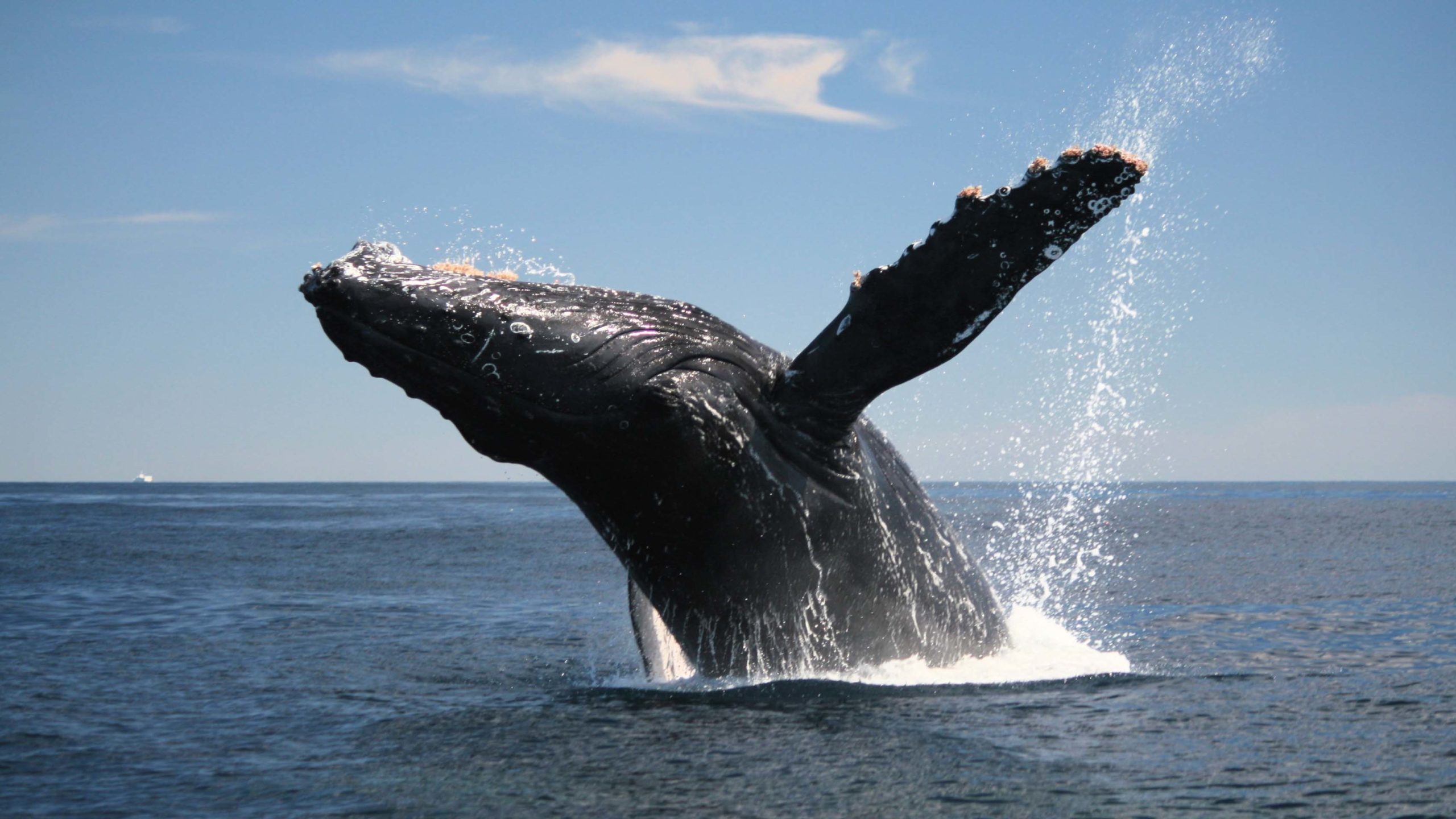
A humpback whale surfacing beside the boat doesn’t feel graceful the way documentaries make it seem. It feels heavy. Ancient almost. You hear the exhale before you fully process what you’re looking at.
That sound sticks with people.
And not every encounter is explosive. Sometimes a whale surfaces slowly, disappears again, then comes back farther away. No giant breach. No tail slap. Just a brief appearance in open water.
But somehow that quiet moment often lands harder than the flashy stuff.
Because it’s real wildlife. Not trained animals performing for a crowd.
Listen to the Naturalists Onboard
A lot of Cape Ann Whale Watch tours have onboard naturalists explaining what passengers are seeing. Some people ignore them completely, which honestly feels like missing half the experience.
These guides know an absurd amount about local whales.
Not just species information either. Individual whales. They recognize tail patterns and scars. They’ll casually mention a whale by name like they’re talking about an old neighbor.
That changes how you see everything.
Instead of “there’s a whale,” suddenly it’s a specific humpback returning to the same feeding grounds year after year. You learn why whales surface the way they do. Why do seabirds gather in certain areas? How feeding behavior works.
The ocean stops feeling random after a while. Patterns start showing themselves.
And it makes the entire trip feel deeper than just sightseeing.
Motion Sickness Is Real — Prepare Beforehand
Some people swear they never get seasick. Then the Atlantic humbles them pretty fast.
If you even suspect motion sickness could be an issue, prepare before boarding. Not after you start feeling nauseous. By then it’s usually too late.
Take medication ahead of time if needed. Eat something light beforehand too. Empty stomachs actually make things worse for a lot of people, even though they assume the opposite.
Fresh air helps. Looking toward the horizon helps more than staring down at your phone.
And honestly? Don’t feel embarrassed if the water gets to you. It happens to plenty of people. Ocean conditions change fast out there.
Photography Isn’t Everything
People spend way too much time trying to capture perfect whale photos.
And look, getting a good shot feels great. No argument there. But some travelers end up experiencing the entire Cape Ann Whale Watch through a phone screen. They miss the actual moment because they’re busy adjusting zoom settings.
Whales don’t exactly pose for pictures either.
You’ll probably get some blurry water shots. Maybe half a tail. Possibly a distant fin that looked amazing in person but terrible on camera. That’s normal.
Take a few photos, then let yourself actually watch.
The strongest memories usually aren’t the perfectly documented ones anyway. They’re the unexpected moments. A whale surfacing closer than expected. The sudden silence across the boat. That split-second feeling when everybody realizes what they’re seeing at the same time.
Cameras rarely catch that properly.
Timing Your Whale Watch Matters More Than People Think
The season changes everything.
Cape Ann whale watching is usually best between late spring and early fall when feeding activity increases offshore. Summer tends to bring the highest chances for sightings, especially humpback whales.
Morning trips often mean calmer water and cooler temperatures. Afternoon trips sometimes bring more active conditions, but also bigger crowds.
There’s no universally perfect option honestly. It depends what you value more.
Some travelers want smooth seas and quiet mornings. Others care more about dramatic activity even if the boat feels packed. Holiday weekends especially can get crowded fast.
If flexibility exists in your schedule, weekday trips usually feel more relaxed overall.
Gloucester Becomes Part of the Experience Too
This part gets overlooked a lot.
A Cape Ann Whale Watch shouldn’t just be “the boat ride.” Spend time around Gloucester itself. The town adds something important to the whole experience.
There’s history everywhere there. Fishing culture. Old harbors. Weathered buildings that actually look weathered instead of fake tourist versions of it.
And the seafood matters. Yeah, cliché maybe, but still true.
After hours on the water, sitting down somewhere along the harbor with fried clams or chowder just feels right. The ocean stops being background scenery because you were literally out in it earlier that day.
That connection changes things a little.
The trip becomes more complete instead of feeling like a quick attraction you rushed through.
Things Might Not Go Perfectly — That’s Normal
Weather shifts. Water gets rough. Whale sightings vary.
Some trips are incredible from start to finish. Others feel slower. Maybe the whales stay farther away than expected. Maybe fog rolls in halfway through. Maybe someone in the next seat gets seasick and suddenly everybody’s aware of it.
That unpredictability is built into whale watching.
And honestly, trying to force perfection onto an experience like this kind of misses the point.
The best stories usually come from imperfect days anyway. Unexpected weather. Sudden whale sightings after long quiet stretches. Moments where things felt uncertain for a while.
Nature doesn’t perform on command. That’s exactly why seeing whales in the wild feels meaningful when it happens.


Why First-Time Travelers Usually Leave Changed a Little
It sounds dramatic saying a whale watch changes people. But sometimes it genuinely does, just in quieter ways.
Being offshore for hours strips away a lot of noise. No constant notifications. No rushing between tasks. You end up paying attention differently without realizing it.
Then you see something enormous moving beneath the surface of the ocean like humans barely matter at all, and perspective shifts a little.
Not permanently maybe. But enough.
That’s why so many people end up talking about their Cape Ann Whale Watch months later. It’s not only about the whales themselves. It’s the atmosphere around the whole experience. The waiting. The unpredictability. The cold wind. The silence before everyone suddenly points toward the water at once.
All those small pieces add up.
Conclusion
At the end of the day, a Cape Ann Whale Watch isn’t really about checking an activity off your vacation list. At least not if you experience it properly. It’s slower than people expect sometimes. Messier too. The ocean doesn’t care about perfect schedules or polished tourist moments.
But that’s exactly why it works.
First-time travelers usually arrive expecting a simple sightseeing tour. What they leave with is something harder to explain. A memory that feels raw and real in a way modern travel experiences often don’t.
And honestly, when you combine the trip with time around Gloucester itself, the whole day sticks with you longer. The harbor, the history, the seafood, the cold salt air after hours offshore — it all connects together naturally. That’s part of why so many visitors who try a Gloucester Whale Watch once end up wanting to come back again.

James