


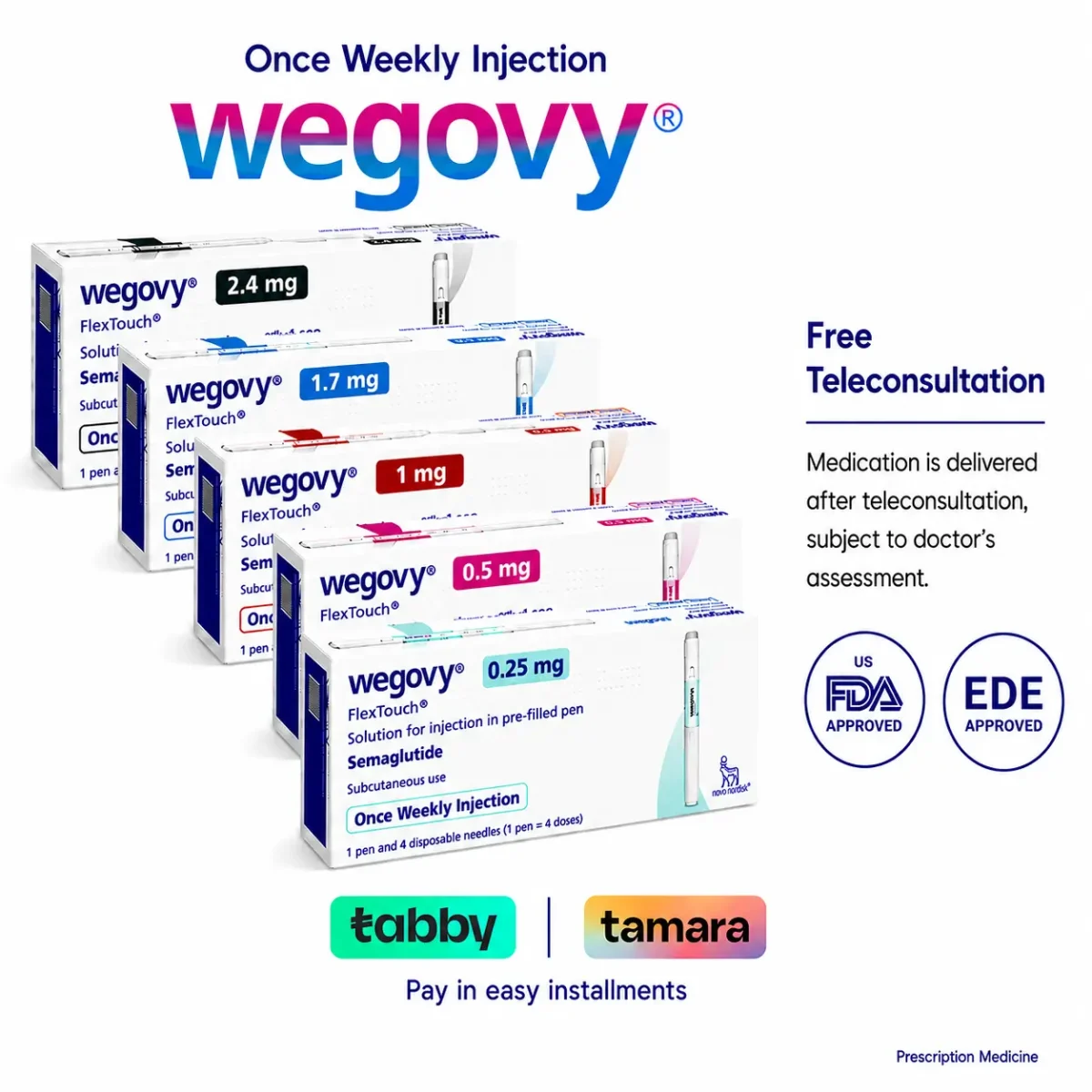
Losing weight is not always as simple as eating less and exercising more. For people living with obesity or weight-related health problems, medical treatment may sometimes be appropriate alongside lifestyle changes. Wegovy injection is a prescription treatment containing semaglutide that is used for long-term weight management in eligible patients. It works on GLP-1 pathways involved in appetite and food intake, helping some people feel fuller and eat less over time.
Wegovy is not intended to replace healthy eating or physical activity. Instead, it is used as part of a broader weight-management plan under the supervision of a healthcare professional. Understanding how it works, who may benefit, and what side effects to expect can help you make a more informed decision about treatment.
What Is Wegovy?
Wegovy is a prescription medicine whose active ingredient is semaglutide, a GLP-1 receptor agonist. It is designed for long-term weight management in eligible adults with obesity or adults who are overweight and have at least one weight-related medical condition. It is also approved for certain adolescents aged 12 and older with obesity.
The medication is used together with a reduced-calorie diet and increased physical activity. It is not intended as a cosmetic treatment for people who simply want to lose a small amount of weight.
Wegovy also has specific approved uses beyond weight management, including reducing the risk of certain major cardiovascular events in eligible adults with established cardiovascular disease and obesity or overweight.
How Does Semaglutide Help With Weight Loss?
Semaglutide works by mimicking a naturally occurring hormone called GLP-1. This hormone is involved in appetite regulation, digestion, and blood-glucose control.
When semaglutide activates GLP-1 receptors, it can influence the areas of the brain involved in appetite. Many patients experience reduced hunger and increased feelings of fullness, which may make it easier to consume fewer calories.
The medicine can also slow gastric emptying. However, its effect on appetite and food intake is an important part of how it supports weight management.
Everyone responds differently. Starting weight, genetics, eating habits, physical activity, other health conditions, and treatment adherence can all influence results.
Who May Be Eligible for Wegovy?
Wegovy is prescribed according to individual medical circumstances rather than weight alone.
A healthcare professional may consider treatment for adults with obesity or adults with overweight who have a related health condition. Examples of weight-related conditions can include high blood pressure, type 2 diabetes, or abnormal cholesterol levels.
Certain adolescents aged 12 and older with obesity may also be eligible.
Before prescribing Wegovy, a healthcare professional may review your medical history, current medications, weight-management history, and other factors that could affect safety.
What Are the Potential Benefits?
For appropriate patients, Wegovy may offer benefits that go beyond simply seeing a lower number on the scale.
Appetite Control
Reduced hunger and increased fullness can make it easier for some people to follow a calorie-controlled eating plan.
Long-Term Weight Management
Wegovy is intended for ongoing weight management rather than a short-term crash diet. Long-term treatment may be considered when it continues to provide meaningful benefits and remains appropriate.
Cardiovascular Risk Reduction
Wegovy has an approved indication for reducing the risk of cardiovascular death, heart attack, and stroke in certain adults with established cardiovascular disease and obesity or overweight.
Support for Lifestyle Changes
When appetite becomes easier to manage, some people may find it more practical to maintain healthier eating and activity habits.
How Is Wegovy Administered?
The medicine is administered under the skin, usually in the abdomen, thigh, or upper arm. It is generally taken once a week on the same day.
Treatment normally begins with a lower dose and is increased gradually according to the prescribed schedule. This gradual approach is intended to help the body adjust and may improve tolerability.
Patients should follow their healthcare professional’s instructions and the official prescribing information. Changing the dose or injection schedule without medical advice is not recommended.
What Should You Know About Wegovy Injection?
The weekly administration is one reason many patients find this treatment convenient compared with medicines that require daily dosing. However, convenience does not mean the treatment is suitable for everyone.
The injection should be used exactly as directed. Patients should also understand proper storage, handling, injection technique, and missed-dose instructions before starting treatment.
If you are uncomfortable administering the medicine yourself, ask your healthcare professional or pharmacist to explain the correct technique.
What Are the Common Side Effects?
Like other GLP-1 medicines, Wegovy can cause gastrointestinal side effects. Common reactions may include:
- Nausea
- Diarrhea
- Vomiting
- Constipation
- Abdominal pain
- Headache
- Fatigue
- Indigestion or bloating
These effects can vary in severity. Some people notice gastrointestinal symptoms particularly during dose escalation, while others may tolerate treatment more comfortably.
More serious adverse reactions are possible. The prescribing information includes warnings concerning pancreatitis, gallbladder disease, kidney problems associated with dehydration, severe gastrointestinal reactions, and certain eye complications in people with diabetes.
Wegovy also carries a boxed warning regarding thyroid C-cell tumors observed in animal studies. It should not be used by people with a personal or family history of medullary thyroid carcinoma or by people with Multiple Endocrine Neoplasia syndrome type 2.
Is Wegovy Suitable for Everyone?
No prescription medicine is appropriate for every person.
Before starting treatment, tell your healthcare professional about your medical history and all medicines or supplements you take. Particular caution may be necessary for people with certain gastrointestinal conditions, pancreatitis history, gallbladder problems, kidney disease, diabetic retinopathy, or other relevant medical issues.
Wegovy should not be combined with another semaglutide-containing medicine or another GLP-1 receptor agonist unless a healthcare professional specifically recommends it.
Pregnancy is another important consideration. Weight loss is not recommended during pregnancy, and patients who become pregnant while using Wegovy should contact their healthcare professional.
Wegovy vs. Foundayo: Are They the Same?
With oral GLP-1 medicines becoming more widely discussed, people often compare Wegovy with Foundayo (orforglipron).
They are not the same medicine.
Wegovy contains semaglutide, while Foundayo contains orforglipron. Wegovy’s established formulation is administered by injection once weekly, whereas Foundayo is an oral medicine taken once daily.
Both belong to the GLP-1 receptor agonist class, but their active ingredients, dosing instructions, clinical evidence, and safety information differ.
For that reason, one should not be considered automatically better than the other. The appropriate treatment depends on a person’s medical history, weight-management goals, tolerability, and advice from a qualified healthcare professional.
How Long Does Wegovy Take to Work?
Weight loss with semaglutide is gradual. It is not realistic to expect major changes within a few days.
The dose is usually increased step by step, and healthcare professionals may monitor progress over several months. Your response can be affected by your starting weight, diet, activity level, other medications, and overall health.
Daily fluctuations on the scale are normal. Looking at longer-term trends can provide a more useful picture of progress.
What Should You Eat While Taking Wegovy?
There is no single “Wegovy diet,” but a balanced eating pattern can support treatment.
Meals can include adequate protein, vegetables, fruits, whole grains, healthy fats, and other nutrient-dense foods. Because Wegovy may reduce appetite, some people may find that they become full more quickly. Eating slowly and paying attention to hunger and fullness can be helpful.
Adequate fluid intake is also important, particularly if nausea, vomiting, or diarrhea occurs.
A registered dietitian or healthcare professional can provide personalized nutrition advice when needed.
Can You Stop Wegovy Once You Lose Weight?
Stopping treatment is an individual medical decision. Weight management does not necessarily end when the desired weight is reached.
Some people may experience increased appetite or regain weight after discontinuing treatment. This is one reason long-term weight management should include sustainable eating habits, physical activity, and ongoing medical follow-up.
Never stop a prescription weight-management medicine without discussing the decision with your healthcare professional.
Frequently Asked Questions
1. What is Wegovy used for?
Wegovy is used with a reduced-calorie diet and increased physical activity for long-term weight management in eligible patients. It also has specific approved cardiovascular and liver-related uses.
2. How often is Wegovy taken?
The injectable formulation is generally administered once a week according to the prescribed dosing schedule.
3. Does Wegovy suppress appetite?
Yes. Semaglutide activates GLP-1 receptors involved in appetite regulation and can reduce hunger and food intake.
4. How quickly can I lose weight with Wegovy?
Results vary between individuals. Weight loss generally occurs over time rather than immediately, and healthcare professionals typically assess progress over several months.
5. What are the most common side effects?
Nausea, vomiting, diarrhea, constipation, abdominal discomfort, headache, fatigue, and indigestion are among the commonly reported side effects.
6. Can I take Wegovy with another GLP-1 medicine?
Wegovy should not be combined with another semaglutide-containing product or another GLP-1 receptor agonist unless specifically instructed by a healthcare professional.
7. Is Wegovy the same as Foundayo?
No. Wegovy contains semaglutide, while Foundayo contains orforglipron. Both are GLP-1 receptor agonists, but they are different prescription medicines.
8. Can Wegovy be used during pregnancy?
Wegovy should not be used for weight loss during pregnancy. Contact your healthcare professional if you become pregnant while taking it.
9. Does Wegovy replace diet and exercise?
No. Wegovy is intended to be used alongside a reduced-calorie diet and increased physical activity.
10. Do I need a prescription for Wegovy?
Yes. Wegovy is a prescription medicine and should be obtained through a legitimate healthcare professional and pharmacy.
Final Thoughts
Wegovy can be an effective medical option for eligible people who need additional support with long-term weight management. Its active ingredient, semaglutide, works through GLP-1 pathways that influence appetite and food intake, while its weekly administration can fit conveniently into some treatment routines.
At the same time, it is important to look beyond weight-loss claims. Side effects, medical history, current medications, treatment goals, and long-term lifestyle habits all matter when deciding whether Wegovy is appropriate.
With newer oral options such as Foundayo also available, patients have more choices than before. The safest approach is to discuss those options with a qualified healthcare professional and use only legitimate, approved prescription medicines.
Nency