


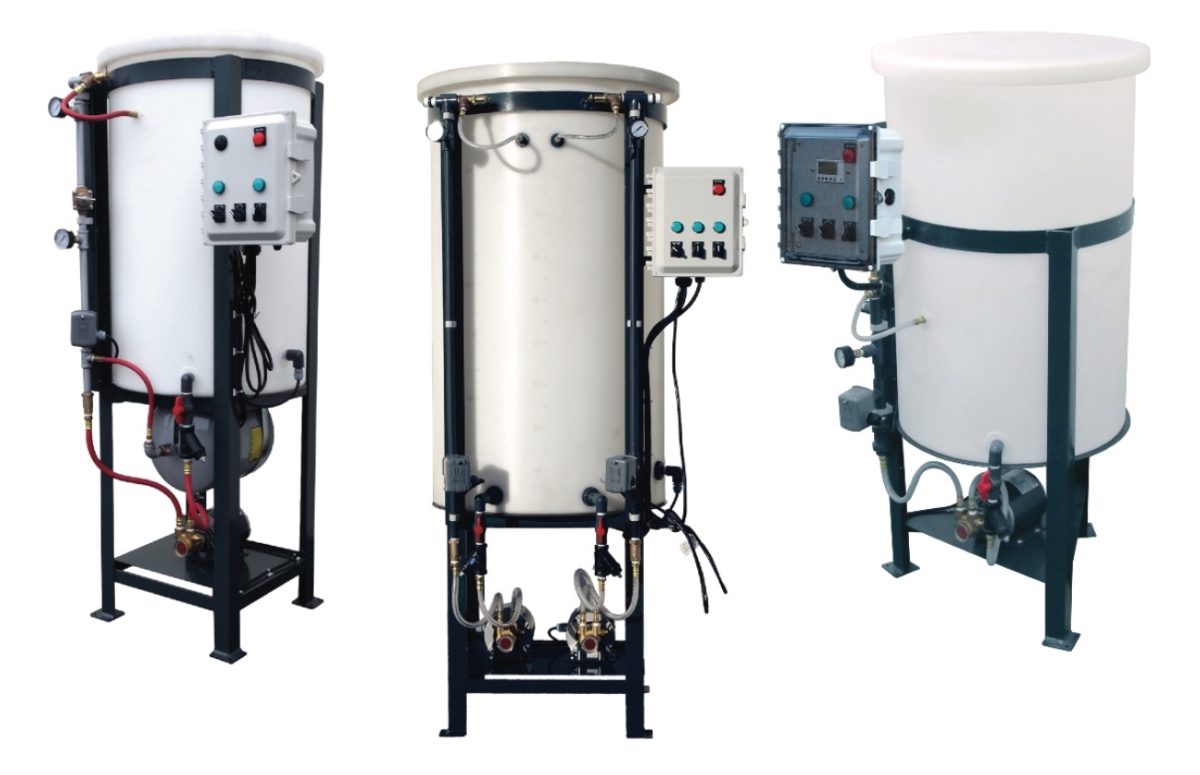
In modern heating and cooling systems, maintaining the right chemical balance is essential for efficiency, safety, and long-term equipment protection. One important component that helps achieve this balance is a glycol feeder. A glycol feeder is designed to automatically add glycol solution into a closed-loop hydronic system to maintain the proper concentration and pressure. Systems that use equipment such as the Neptune g-50-1a often rely on accurate dosing and consistent chemical management to ensure optimal performance and protection against freezing, corrosion, and system damage.
Understanding a Glycol Feeder
A glycol feeder is a device used in hydronic heating, chilled water systems, and other closed-loop HVAC systems to introduce glycol solution into the system. Glycol, commonly propylene glycol or ethylene glycol, acts as an antifreeze and corrosion inhibitor.
The feeder typically includes:
-
A storage tank for glycol solution
-
A pump or pressure mechanism
-
Valves and gauges for monitoring pressure and flow
-
Automatic controls to maintain system balance
By continuously monitoring system pressure and chemical concentration, a glycol feeder ensures that the system operates efficiently without manual intervention.
Why Glycol is Important in HVAC Systems
Before understanding the purpose of a glycol feeder, it’s important to understand why glycol is used in the first place.
Freeze Protection
One of the primary functions of glycol is to prevent water in pipes from freezing. In colder climates, water-based systems are vulnerable to freezing temperatures, which can cause pipes to burst and equipment to fail. Glycol lowers the freezing point of the fluid circulating through the system.
Corrosion Prevention
Glycol solutions often contain corrosion inhibitors. These chemicals help protect metal components such as pipes, pumps, boilers, and heat exchangers from rust and corrosion.
System Longevity
By protecting the system from freezing and corrosion, glycol helps extend the life of HVAC equipment and reduces maintenance costs.
Key Purpose of a Glycol Feeder
1. Maintaining Proper Glycol Concentration
A glycol feeder ensures that the correct concentration of glycol is maintained within the system. Over time, leaks, evaporation, or maintenance activities can change the fluid balance.
The feeder automatically introduces glycol solution when the concentration drops, ensuring the system continues to operate safely and efficiently.
2. Maintaining System Pressure
Closed-loop hydronic systems require stable pressure to function properly. If the pressure drops, the system can experience circulation problems and reduced efficiency.
A glycol feeder helps maintain the required pressure by feeding additional glycol solution when needed.
3. Protecting Equipment
Maintaining the correct glycol level protects expensive equipment from freezing damage and corrosion. Systems that utilize precise chemical control, such as those paired with dosing equipment like the Neptune g-50-1a, rely on consistent chemical feeding to maintain safe operating conditions.
4. Reducing Manual Maintenance
Without a glycol feeder, technicians would need to manually monitor and add glycol to the system. This process is time-consuming and prone to human error.
Automated feeders simplify system management by maintaining the correct balance automatically.
Where Glycol Feeders Are Commonly Used
Glycol feeders are widely used in various commercial and industrial systems.
Commercial HVAC Systems
Office buildings, hospitals, and schools often rely on glycol feeders to maintain the efficiency of their heating and cooling loops.
Industrial Facilities
Manufacturing plants use glycol feeders to protect process cooling systems and heat transfer equipment.
Snow Melt Systems
Outdoor snow melt systems use glycol solutions to circulate warm fluid beneath surfaces like sidewalks and driveways. A glycol feeder ensures the system maintains the proper antifreeze mixture.
Chilled Water Systems
Chilled water systems require consistent glycol levels to prevent freezing in low-temperature operations.
Components of a Typical Glycol Feeder System
A glycol feeder system usually includes several essential components that allow it to operate effectively.
Storage Tank
This tank holds the glycol mixture that will be fed into the system when needed.
Pump or Pressurization System
The pump helps move the glycol solution into the hydronic system at the correct pressure.
Pressure Gauges
Gauges allow technicians to monitor system pressure and ensure the feeder is functioning correctly.
Control Mechanism
Some feeders include automatic controls that trigger feeding when system pressure drops below a set point.
Benefits of Using a Glycol Feeder
Using a glycol feeder offers several advantages for system operators.
Improved system reliability – Ensures consistent chemical balance.
Reduced maintenance – Minimizes manual monitoring and adjustments.
Enhanced equipment protection – Prevents freezing and corrosion.
Energy efficiency – Maintains optimal operating conditions for HVAC systems.
When paired with accurate chemical dosing equipment and monitoring solutions such as the Neptune g-50-1a, system operators can maintain precise control over fluid treatment and system performance.
Must Read: What is a Chemical Feed Tank?
Final Thoughts
The purpose of a glycol feeder is to maintain the proper glycol concentration and pressure in closed-loop heating and cooling systems. By automatically feeding glycol solution when necessary, the system prevents freezing, protects equipment from corrosion, and ensures reliable operation.
Whether used in commercial HVAC systems, industrial processes, or snow melt installations, glycol feeders play a critical role in maintaining system health and efficiency. With precise dosing solutions and monitoring equipment like the Neptune g-50-1a, facility managers can ensure their systems remain protected, efficient, and long-lasting.
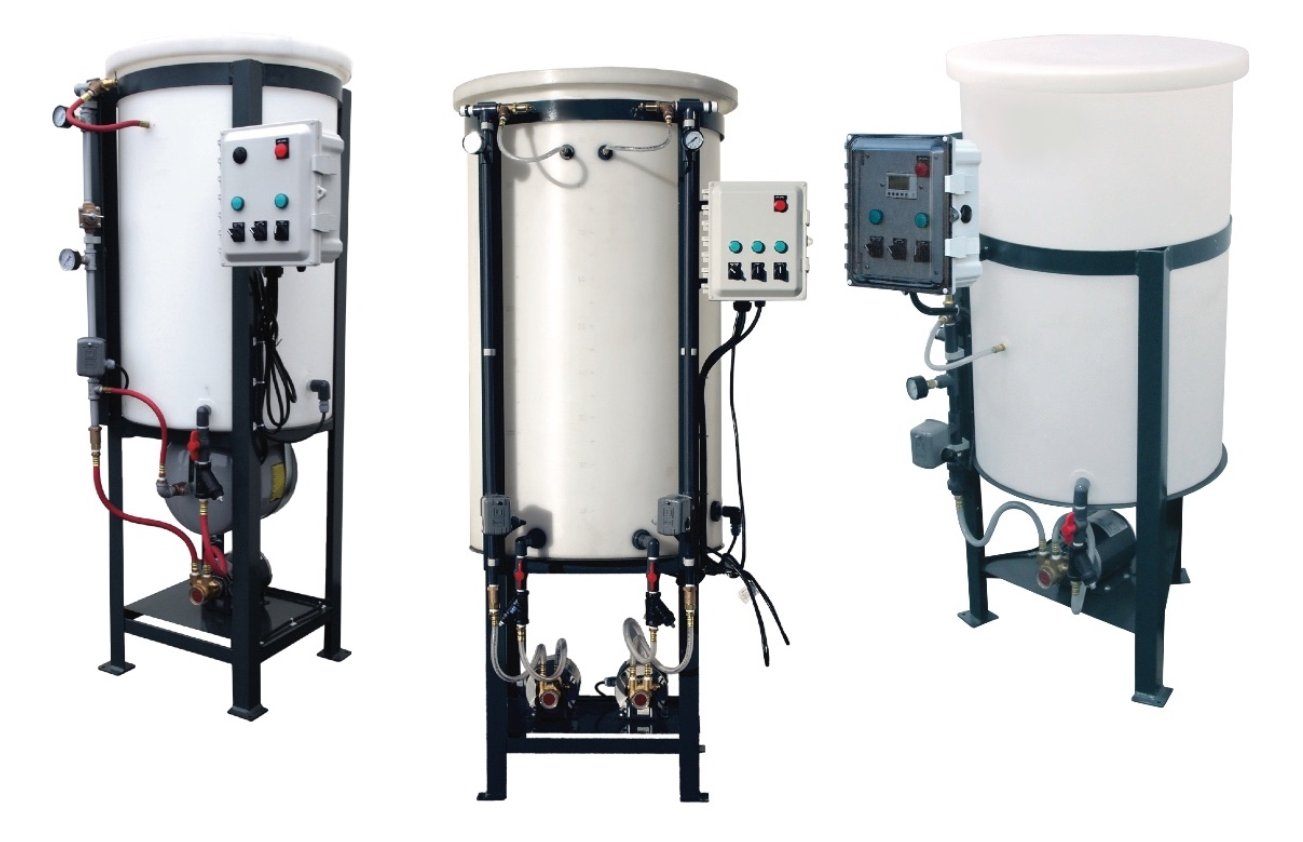
Bypass Feeder