


What Are the Safety Hazards of Neglecting Commercial Warehouse Racking Cleaning?
Picture this: you’re walking through your warehouse when a whole bay of racking suddenly groans and collapses, sending pallets crashing down. It happens more often than you think—and the main cause? Months or years of skipped cleaning. In this guide, we’ll walk you through every hidden danger of neglecting commercial warehouse racking cleaning, explain why it matters so much, and give you simple steps to stay safe.
Why Regular Racking Cleaning Is Non-Negotiable
Warehouse racks aren’t “set it and forget it” equipment. Dust, spilled product, and everyday wear hide under grime. When you don’t clean regularly, small problems turn into expensive disasters. Clean racks help you spot damage early, keep workers safe, improve air quality, and keep inspectors happy.
How Dust and Debris Create Daily Safety Risks
A light dusting looks harmless, but it’s a serious slip-and-fall hazard on ladders and mezzanine floors. Dust also covers load-capacity labels, so workers accidentally overload beams. Forklift drivers struggle to see in dusty air, raising the chance of hitting a rack and starting a domino-style collapse.
The Surprising Fire Danger Most Warehouses Ignore
Combustible dust on high beams is like gasoline waiting for a spark. Paper dust, cardboard particles, and wood pallets create perfect fuel. One static spark or hot motor can ignite a fire that races across the top of your racks in seconds. Regular cleaning is one of the cheapest fire-prevention measures you can take.
Rust and Corrosion: The Slow Killer of Rack Strength
When dust traps moisture against steel, rust starts eating the metal from the inside out. A rack that looks fine on the surface can be 30–50 % weaker underneath. Add normal forklift nudges and heavy loads, and you have a recipe for sudden collapse. Coastal or refrigerated warehouses see this damage even faster because of salt or condensation.
Pests Turn Dirty Racks Into Their Home
Spilled sugar, flour, or cardboard scraps attract rodents and insects fast. Once they move in, they chew wiring, nest in pallet voids, and contaminate products. A single pest sighting can trigger a costly shutdown, especially in food, pharma, or retail distribution centers.
Legal and Financial Consequences You Can’t Afford
OSHA inspectors look at housekeeping first. Dirty, damaged racks are an easy citation and fines start at thousands of dollars. If someone gets hurt and investigators prove neglect, workers’ compensation premiums skyrocket and civil lawsuits can follow. Many insurance policies even have clauses that reduce or deny coverage when poor maintenance is obvious.
The 7 Most Common (and Dangerous) Cleaning Mistakes
- Waiting for the annual “big clean” instead of doing small daily touch-ups
- Ignoring small forklift dents because “they’re only cosmetic”
- Overloading beams because dust-covered weight stickers can’t be read
- Using pressure washers or harsh chemicals that strip protective paint
- Skipping the very top levels because they’re hard to reach
- Never documenting cleaning and inspections (regulators love paperwork)
- Thinking “someone else will do it” instead of assigning clear responsibilities
Your Simple Daily Cleaning Routine (Takes Less Than 10 Minutes)
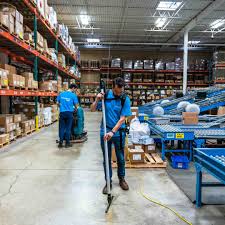
- Walk each aisle with a long brush or blower and knock dust off the top beams
- Wipe load labels on the same way you wipe a countertop
- Spot-clean any fresh spills before they harden
- Look up—literally. Damage always shows first on high levels
Weekly 30-Minute Deep-Clean Checklist
- Vacuum or blow off every horizontal surface (beams, braces, wire decks)
- Check for rust spots and touch them up with cold-galvanizing spray
- Tighten any loose bolts you can reach safely
- Clear the floor under and around racks—no pallets, shrink wrap, or trash
- Take quick phone photos for your maintenance log
Monthly and Yearly Pro-Level Tasks
- Bring in a scissor lifts to clean and inspect the highest levels
- Have a certified rack inspector check the entire system once a year
- Re-paint scratched or chipped areas to stop rust before it starts
- Review and update your cleaning schedule with the whole team
Quick Wins That Pay for Themselves Immediately
- Install bright LED lights—clean racks reflect light and make damage obvious
- Add column guards and end-of-aisle barriers to stop forklift impacts
- Use clear plastic load labels that don’t collect dust
- Reward the cleanest aisle each month—friendly competition works wonders
Final Thought: Clean Racks Save Lives and Money
Neglecting commercial warehouse racking cleaning isn’t just untidy—it’s one of the fastest ways to invite injuries, fires, pest infestations, regulatory fines, and catastrophic collapses.
The fix is surprisingly simple and cheap: a brush, a schedule, and a little discipline.
Start this week. Pick one aisle as your “model clean zone,” take before-and-after pictures, and watch how fast the habit spreads. Your team will feel safer, your inventory will stay protected, and you’ll sleep better knowing you’ve removed one of the biggest hidden risks in your warehouse.
jackscottish