
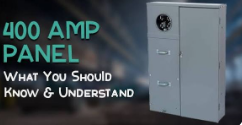
A 400 amp power input panel handles the incoming electrical supply for facilities with heavier power demands, acting as the connection point between the utility source or generator and the rest of the building’s electrical system. Getting the sizing, wiring, and protection right on these panels matters more than most people realize, since a mistake here can affect everything downstream. This article breaks down what these panels actually do and what to watch for when working with them.
What Makes a 400 Amp Panel Different
I remember walking into a mid sized warehouse a few years back where the owner had outgrown his original 200 amp setup without realizing it. Every time they ran the loading dock equipment alongside the office HVAC system, breakers tripped and production slowed to a crawl. After going through his actual load requirements, it became clear he needed something with a lot more headroom than what he had installed originally. That is where 400 amp power input panels come into play, since they give facilities enough capacity to handle heavier equipment loads without constantly flirting with overload conditions.
The jump from 200 amp to 400 amp service is not just about doubling the number on the panel label. It changes the size of the conductors needed, the type of breakers involved, and often the physical space required to install everything safely. Facilities that run multiple pieces of heavy equipment at once, like manufacturing plants, larger commercial buildings, or agricultural operations, tend to be the ones that actually need this level of service rather than smaller setups that could get by with less.
Common Applications for 400 Amp Service
These panels show up most often in places where power demand is genuinely high, not just where someone wants extra capacity for the sake of it. Manufacturing facilities running multiple motors and compressors regularly need this level of input to keep everything running without tripping breakers during peak hours. Larger commercial buildings with heavy HVAC systems, elevators, and lighting loads also fall into this category, especially when several tenants are drawing power at the same time. Agricultural operations with irrigation pumps, grain dryers, or large scale equipment often require this capacity too, since farm equipment tends to pull heavy startup loads that smaller panels simply cannot handle.
Wiring and Installation Considerations
Installing a 400 amp panel is not something to take lightly, and the wiring requirements are noticeably different from smaller residential setups. Conductor sizing has to account for the full current load without overheating, which usually means thicker cable runs and careful attention to conduit fill limits. Grounding and bonding also become more critical at this amperage, since a mistake here creates a genuine safety hazard rather than just an inconvenience. I always tell clients that this is not a project for a weekend DIY attempt, since the margin for error shrinks considerably once you are working with this much current.
Why Proper Sizing Prevents Future Headaches
A few years back, I worked alongside a team from Roam Technologies on a cold storage facility that needed a serious power upgrade. Their original panel had been sized for a much smaller operation, and as they added more refrigeration units over the years, the system was constantly running near its limit. Once we mapped out their actual load, both current and projected growth, it became clear that upgrading to a properly sized 400 amp system was the only real long term solution.
Undersizing a panel might save money upfront, but it almost always costs more later in the form of tripped breakers, overheating components, or a full replacement sooner than expected. On the other hand, oversizing without a real need adds unnecessary cost to the installation without providing much benefit. The goal is always to match the panel to actual and reasonably projected future load, not to guess based on building size alone.
Signs You Might Need This Level of Service
There are a few clear indicators that a facility has outgrown its current panel and might need to step up to 400 amp service. Here is what I typically look for during an assessment:
- Breakers tripping regularly during normal operation, especially at peak usage times
- Multiple pieces of heavy equipment competing for power at the same time
- Plans for facility expansion or new equipment that will increase overall demand
- Voltage drops or dimming lights when large equipment starts up
- An existing panel that is already running close to its rated capacity most days
If several of these sound familiar, it is worth having someone calculate your actual load requirements before assuming a bigger panel is the answer.
Maintenance Needs for Higher Amperage Systems
Panels handling this much current need more attention than smaller residential setups, simply because the stakes are higher when something goes wrong. Regular torque testing on connections helps catch loose terminals before they turn into hot spots capable of causing real damage. Thermal imaging inspections are especially valuable here, since they reveal heat buildup long before it becomes visible or causes a failure. I recommend more frequent inspection intervals for these systems compared to smaller panels, simply because the higher current means problems tend to escalate faster once they start.
Final Thoughts
A 400 amp power input panel is not something to install or maintain casually, given how much current flows through it and how many critical systems often depend on it. Getting the sizing right from the start, paying attention to proper wiring practices, and staying consistent with maintenance all play a role in keeping these systems reliable for years. Facilities that take these factors seriously tend to avoid the costly surprises that come from undersized or poorly maintained panels down the road.
feary