
The roof of a home does more than protect the family from the weather. With the right conditions, it can also become a place to generate electricity. As more homeowners explore renewable energy, rooftop solar has become an option worth considering for properties in Dallas.
Dallas receives plenty of sunshine throughout the year, but installing solar panels requires more than having a sunny roof. The condition of the roof, amount of shade, electricity use, equipment, and installation methods all influence the project. Understanding these factors before work begins can help homeowners make practical decisions.
Why Solar Energy Makes Sense for Dallas Homes
Sunlight is an important resource for solar energy, and Dallas has many sunny periods throughout the year. This gives homeowners an opportunity to explore a system that produces electricity directly at their property.
However, solar production is different for every home. A roof surrounded by mature trees may receive less direct sunlight than an open roof. Roof direction, slope, available space, and nearby structures can also affect the amount of energy a system produces.
A professional evaluation can provide a clearer picture of the property’s conditions. Instead of relying on general assumptions, homeowners can use information about their roof and electricity consumption to plan a suitable system.
Understanding Roof Solar Panel Installation in Dallas TX
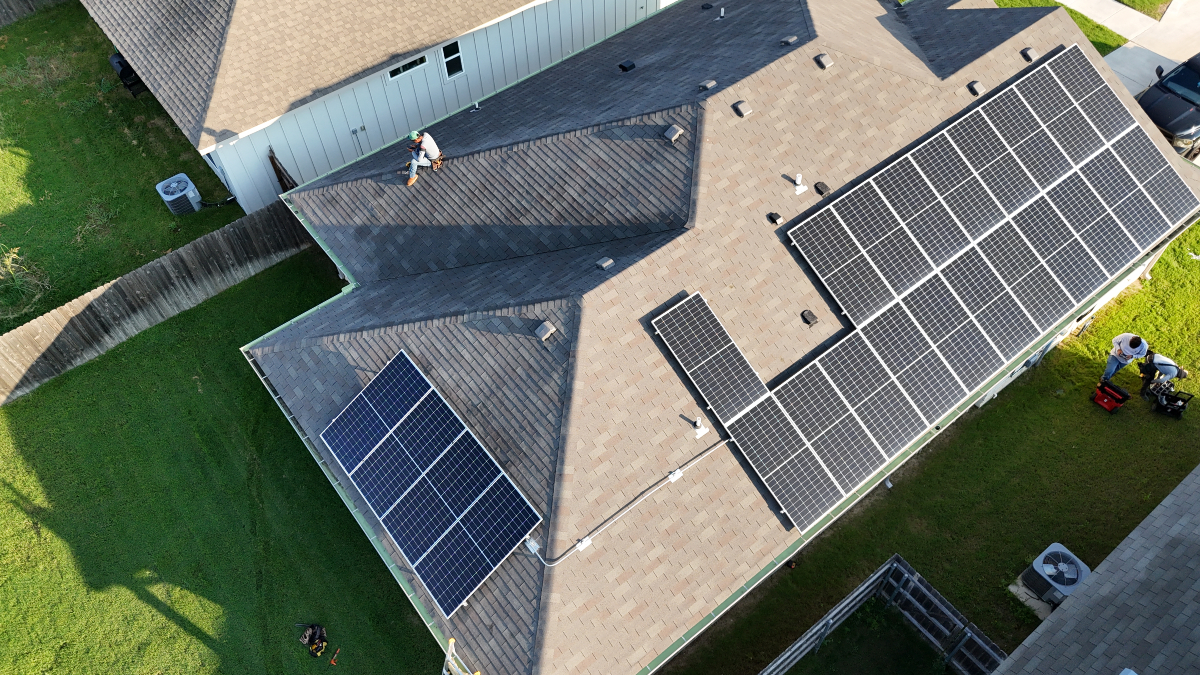
Roof solar panel installation in Dallas TX involves mounting photovoltaic panels on a suitable roof and connecting them to equipment that allows the electricity to be used in the home.
When sunlight reaches the panels, they produce direct current electricity. An inverter changes that electricity into alternating current, which is the type commonly used by household appliances.
The panels are connected through appropriate wiring and mounting equipment. Depending on the system, monitoring equipment may also be included so homeowners can track electricity production.
The size and layout of the system should be based on the home’s energy needs and the usable roof area. Installing more panels is not automatically the right approach. Good planning focuses on the property’s specific conditions.
Check the Roof Before Adding Solar
The roof should be inspected before solar equipment is installed. Since panels are designed for long term use, the underlying roof should be in suitable condition.
An older roof may require repairs or replacement before the installation. Addressing these concerns first can help prevent the need to remove solar panels if major roofing work becomes necessary later.
Important Roof Considerations
A professional assessment can review:
- Roof age and overall condition
- Available space for panel placement
- Existing leaks or damaged roofing materials
- Structural considerations
- Shade from trees, buildings, and other nearby objects
This assessment can help determine whether the roof is ready for solar and which areas may be appropriate for installation.
Evaluate Sunlight and Shading
Solar panels need sunlight to generate electricity. While Dallas has many sunny days, the sunlight reaching a particular roof can vary considerably.
Trees are one of the most common sources of shade around residential properties. Their size can also change over time. A tree that does not affect the roof today may eventually block sunlight from some panels.
Nearby buildings, roof structures, and other obstacles can create shadows at different times of the day. A professional solar evaluation can consider these conditions when developing the panel layout.
The objective is to use suitable roof space effectively while accounting for shading and other property features.
Choosing a Licensed Solar Contractor
Professional installation is an important part of a rooftop solar project. A licensed solar contractor can help with system planning, equipment installation, electrical connections, and applicable requirements.
Homeowners should research contractors before selecting one. Licensing, experience, insurance, warranties, installation practices, and communication are all useful factors to consider.
A professional should also explain the expected performance of the system without making unrealistic guarantees. Solar production changes with weather, sunlight, shade, equipment, and energy consumption.
Questions to Discuss With the Contractor
Before approving the project, homeowners can ask:
- How was the proposed system size determined?
- What panels, inverter, and mounting equipment will be installed?
- Will the roof receive a detailed inspection?
- Who will manage permits and required inspections?
- What warranties apply to equipment and workmanship?
Clear answers can help homeowners understand the complete project and compare proposals more carefully.
What Happens During Installation?
Solar installation generally begins with a property assessment. The contractor reviews the roof, sunlight exposure, electrical system, and household electricity use.
After the system design is completed, permits and other required approvals are addressed. The installation team then prepares the roof and installs the mounting equipment.
The solar panels are positioned and secured according to the design. Electrical wiring connects the panels with the inverter and other system components.
Once the physical work is complete, inspections may be required before the system can operate normally. The exact process can depend on the property, utility, system design, and local requirements.
Understanding the Equipment
Solar panels are the most visible part of the system, but several other components are needed.
Mounting equipment holds the panels securely on the roof. Wiring connects the components, while the inverter converts the electricity generated by the panels into a form that the home can use.
Monitoring equipment may allow homeowners to view production information. This can be useful for understanding system performance and noticing unusual changes.
When reviewing a proposal, homeowners should ask the contractor to explain the purpose and specifications of the major components. This makes it easier to understand what is being installed.
Preparing for Dallas Weather
Solar panels remain outdoors throughout the year, so weather should be considered during planning. Dallas can experience high summer temperatures, heavy rain, strong winds, and severe storms.
Proper mounting and installation help keep solar equipment securely positioned. Equipment should be installed according to applicable requirements and manufacturer instructions.
Weather also affects solar production. Cloudy days can produce less electricity than bright sunny days. Seasonal changes in sunlight can also affect output. These variations are normal and should be considered when evaluating system performance.
Maintaining Solar Panels After Installation
Solar systems generally do not require complicated daily maintenance. However, homeowners should still monitor their system and keep the surrounding area reasonably clear.
Dust, leaves, debris, and vegetation can affect sunlight reaching the panels. Monitoring system output can help homeowners notice unexpected changes.
If electricity production drops significantly without an obvious explanation, a qualified professional can inspect the system. Homeowners should also continue to maintain the roof and address roofing problems carefully.
Any work involving the solar equipment should be performed by professionals who understand how the system is installed.
Plan for Changing Energy Needs
A home’s electricity requirements can change over time. New appliances, an electric vehicle, a home addition, or other upgrades can increase energy consumption.
Discussing possible future changes during the solar planning stage can help homeowners understand how the proposed system relates to their long term needs.
It is also important to review the financial side of the project. Homeowners should understand installation costs, financing terms, warranties, maintenance responsibilities, and current incentive programs before signing an agreement.
Because government incentives and utility requirements can change, current information should be verified through official sources.
Look Beyond the Initial Price
The cheapest solar proposal is not necessarily the only proposal worth considering. Homeowners should review the complete package, including equipment, installation quality, warranty coverage, monitoring, and service arrangements.
A written agreement should clearly explain the equipment being supplied and the work being performed. Payment terms, warranties, project responsibilities, and expected timelines should also be easy to understand.
Taking time to review these details can help homeowners avoid confusion and make a decision based on the complete project.
Build a Solar System Around Your Home
Every property has different characteristics. The ideal system for one home may not be suitable for another because roof space, shade, energy use, and equipment needs vary.
A professional assessment allows homeowners to understand these differences before installation. It also provides an opportunity to address roof concerns and discuss future energy requirements.
Good planning can make the installation more organized and help homeowners understand how their system is expected to perform.
Conclusion
Roof solar panel installation in Dallas TX involves careful planning, proper roof assessment, thoughtful panel placement, suitable equipment, and professional workmanship. Homeowners should consider sunlight exposure, weather conditions, electricity use, warranties, maintenance, and installation requirements before moving forward.
Working with a licensed solar contractor can make it easier to understand the process and ensure important installation details receive proper attention. For Dallas homeowners exploring rooftop solar, Sunaura Solar can provide professional guidance and solar solutions based on the property’s specific requirements.
James Noah