
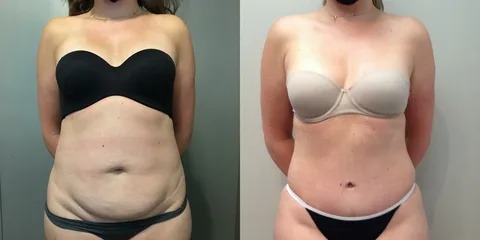
The final shape of the abdomen after surgery depends on much more than simply removing excess skin. Skin quality, abdominal muscle condition, body proportions, fat distribution, weight stability, previous pregnancies, and surgical planning can all influence the result. For individuals considering Tummy Tuck in Islamabad, understanding these factors can help create realistic expectations and support better preparation for an individualized treatment plan.
Why Every Tummy Tuck Result Looks Different
No two bodies have exactly the same abdominal anatomy.
Some patients have significant loose skin after weight loss, while others primarily experience changes after pregnancy or aging. Some may have both excess skin and abdominal-wall laxity.
Because the starting anatomy varies, the final abdominal shape also varies.
A tummy tuck is designed to improve the patient’s existing proportions rather than create an identical shape for everyone.
Skin Quality and Elasticity
Skin quality is one of the most important factors influencing the final abdominal contour.
Healthy, relatively elastic skin may adapt more readily after tissue repositioning. Skin that has been significantly stretched may have reduced elasticity and may not retract in the same way.
Factors that can affect skin quality include:
- Age
- Genetics
- Pregnancy
- Significant weight loss
- Repeated weight fluctuations
- Sun exposure
- Smoking
- Previous stretching of the abdominal tissues
A surgeon evaluates skin elasticity before deciding how much tissue can reasonably be removed.
Amount and Location of Excess Skin
The distribution of loose skin has a major influence on surgical planning.
Some patients have most of their excess skin below the belly button, while others have laxity extending across a broader portion of the abdomen.
The amount of redundant tissue affects the incision design and the extent of skin removal.
Removing too little may leave unwanted laxity, while attempting to remove too much can place excessive tension on the tissues.
The goal is an appropriate balance between contour improvement and safe tissue management.
Abdominal Muscle Condition
The abdominal wall can also affect the shape of the final abdomen.
Pregnancy and significant physical changes can contribute to abdominal-wall laxity or muscle separation. This may create a central bulge that is not caused by excess fat.
During consultation, the surgeon may evaluate the abdominal wall to determine whether muscle laxity contributes to the patient’s appearance.
When appropriate, abdominal-wall repair may be incorporated into the surgical plan.
However, not every patient requires muscle repair.
Fat Distribution
The amount and location of abdominal fat can influence the overall contour.
A tummy tuck primarily addresses excess skin and may address abdominal-wall laxity when appropriate. It is not primarily a weight-loss procedure.
Patients with significant localized fat may require a separate or complementary contouring strategy.
Understanding the difference between fat and loose skin is important because removing skin alone will not necessarily correct every type of abdominal fullness.
Body Proportions Matter
The abdomen does not exist independently from the rest of the body.
The waist, hips, rib cage, thighs, and overall body frame all influence how the abdomen appears.
A contour that looks natural on one person may not produce the same visual balance on another person.
For this reason, surgeons consider overall body proportions when planning tissue removal and abdominal contouring.
The objective is generally a balanced appearance rather than an artificial or overly tight result.
Pregnancy and Previous Abdominal Changes
Pregnancy can permanently change the abdominal tissues in some patients.
The skin may stretch, stretch marks may develop, and the abdominal wall may become lax. These changes can influence both the surgical plan and the final contour.
Patients should also disclose previous abdominal procedures, including C-sections, hernia repairs, appendectomies, and previous cosmetic surgery.
Existing scars or changes in tissue planes can affect incision planning and surgical technique.
Weight Stability and Long-Term Results
Weight stability is another important factor.
Patients who are still planning substantial weight loss may develop additional loose skin after surgery. Similarly, significant weight gain after a tummy tuck can stretch the remaining tissues.
A relatively stable weight can help provide a more predictable starting point for body contouring.
Patients should discuss their current weight and future weight goals during consultation.
Surgical Technique
The chosen surgical technique can also influence the final abdominal shape.
Depending on the patient’s anatomy, the surgeon may consider different approaches, such as a full tummy tuck or a more limited procedure.
| Factor | Possible influence on final abdomen |
|---|---|
| Skin elasticity | Affects how remaining skin settles |
| Excess skin | Determines extent of tissue removal |
| Muscle laxity | May contribute to abdominal projection |
| Fat distribution | Influences fullness and contour |
| Body proportions | Determines overall visual balance |
| Previous surgery | May affect incision and tissue planning |
| Weight stability | Supports long-term contour maintenance |
| Surgical technique | Determines how tissues are repositioned |
The appropriate approach should be selected according to anatomy rather than based solely on the desire for a particular procedure.
Incision Placement
Incision placement is another important part of abdominal contouring.
Surgeons generally aim to position the incision in the lower abdomen where it can be concealed beneath typical underwear or swimwear when possible.
However, the exact location and length depend on the amount of excess skin and the patient’s anatomy.
The shortest incision is not necessarily the best incision. It needs to provide adequate access for safe and effective treatment.
Belly Button Position
The belly button plays an important role in abdominal aesthetics.
In a full tummy tuck, the abdominal skin is repositioned, so the surgeon must consider the belly button’s relationship with the newly contoured abdomen.
Its position, proportions, and appearance can influence whether the abdomen looks natural after healing.
This is why belly button planning is an important part of the overall procedure.
Healing and Swelling
The final abdominal shape does not appear immediately after surgery.
Swelling and fluid retention can temporarily make the abdomen look uneven, tight, or more swollen than expected.
As healing progresses, swelling gradually decreases and the tissues settle.
Patients should avoid judging the final outcome too early in recovery and should attend scheduled follow-up appointments.
Lifestyle and Postoperative Care
How a patient follows postoperative instructions can also influence the recovery process.
Following guidance about activity, lifting, exercise, wound care, compression garments when recommended, and follow-up visits can support appropriate healing.
Once cleared by the surgical team, regular physical activity and a balanced lifestyle can help maintain overall body composition.
However, the body’s natural aging process continues after surgery.
Realistic Expectations Are Essential
One of the most important factors in a successful tummy tuck experience is having realistic expectations.
Surgery can improve selected areas of loose skin and abdominal contour, but it cannot completely eliminate natural asymmetry or change every underlying anatomical feature.
The result also continues to evolve during recovery.
A good consultation should include a clear discussion of achievable improvement, limitations, potential risks, scarring, and recovery.
FAQs About Tummy Tuck Results
What determines the final shape after a tummy tuck?
Skin quality, excess skin, muscle condition, fat distribution, body proportions, surgical technique, healing, and future weight changes can all influence the final shape.
Can a tummy tuck make my abdomen completely flat?
It can create a smoother and firmer contour in appropriately selected patients, but a completely flat abdomen cannot be guaranteed because natural anatomy varies.
Does muscle separation affect the tummy tuck result?
Yes. Abdominal-wall laxity can contribute to abdominal projection. When appropriate, it may be addressed during surgery.
Can weight gain change my tummy tuck result?
Significant weight gain can stretch the remaining skin and alter the abdominal contour.
Does age affect tummy tuck results?
Age can influence skin elasticity and healing, but suitability for surgery depends on overall health, anatomy, and individual circumstances rather than age alone.
Can pregnancy affect the result later?
Yes. A future pregnancy can stretch the abdominal skin and abdominal wall and may change the surgical contour.
How long does the final result take to develop?
The abdomen changes gradually as swelling decreases and tissues heal. The exact timeline varies between patients.
Can exercise improve the final tummy tuck shape?
Once cleared by the surgical team, exercise can support muscle tone and overall fitness, but it cannot replace the surgical removal of significant excess skin.
Understanding What Shapes Your Tummy Tuck Outcome
The final abdominal shape after a tummy tuck is influenced by a combination of anatomy, skin quality, abdominal-wall condition, fat distribution, body proportions, surgical planning, healing, and long-term lifestyle factors. Understanding these elements before surgery helps patients develop realistic expectations and make informed decisions.
A personalized approach is particularly important because the same surgical technique will not necessarily produce the same result in every person. The objective is to create a smoother, balanced abdominal contour that fits the patient’s natural body structure while prioritizing appropriate surgical planning and safety.
If you are considering abdominal contouring and want to understand which factors may influence your individual result, consulting a qualified team at a reputable Plastic Surgery Clinic can help you evaluate your anatomy, discuss realistic goals, and determine an appropriate treatment plan.
Plastic Surgery Clinic