
The Unexpected Way Automation Can Improve Business Growth
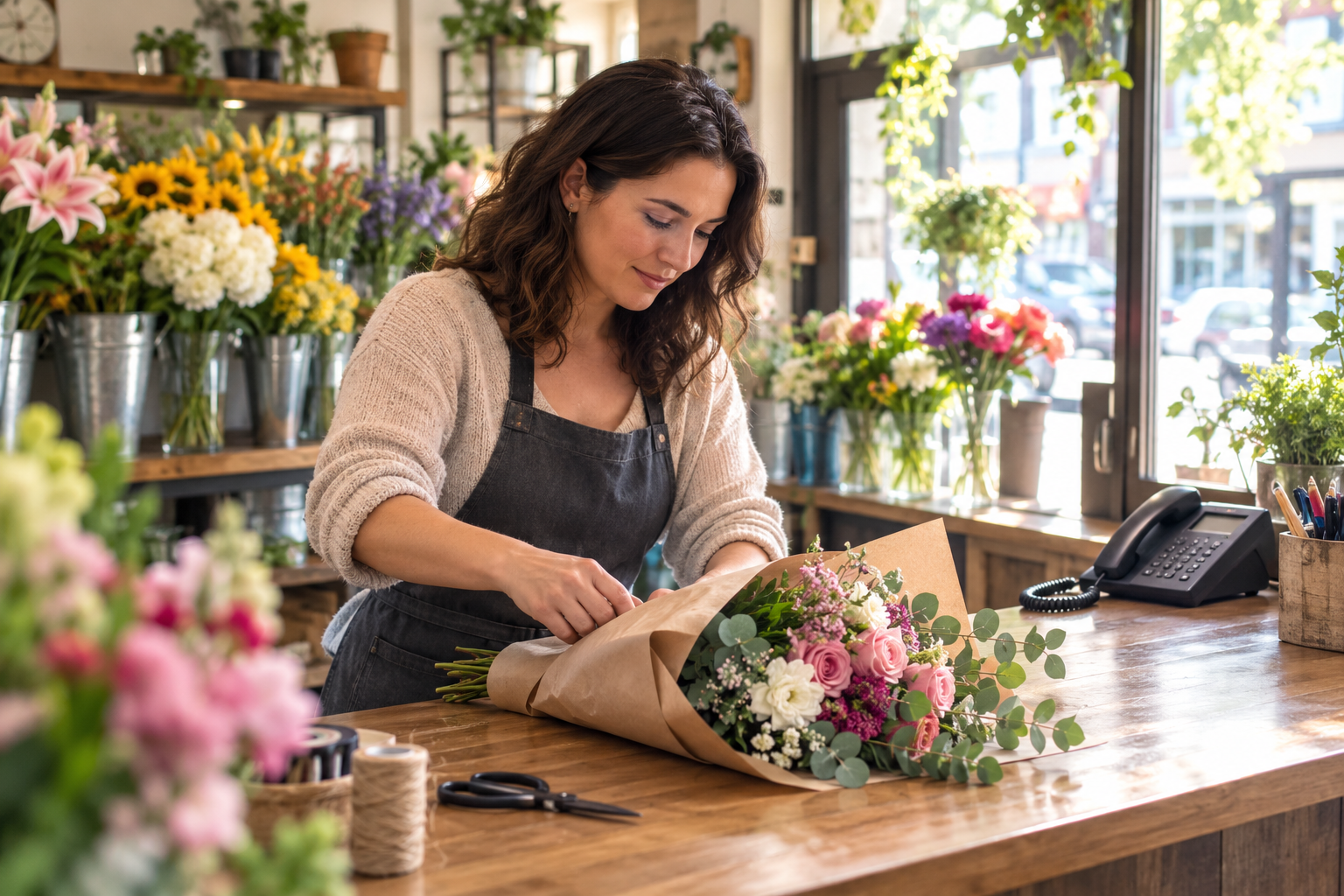
A florist owner always figured automation would make her shop feel less personal. That’s kind of the whole point of running a flower shop instead of something bigger and more corporate, the handwritten notes, remembering which regulars prefer lilies over roses, the little conversations that happen while she’s wrapping a bouquet. She held off adding any kind of automated phone system for years, worried it would strip away the exact thing that made her business hers. What actually happened once she finally tried it surprised her, and it’s a pattern that keeps showing up across small, relationship driven businesses that assumed the same thing going in.
The Assumption Most Owners Start With
It’s a reasonable instinct, honestly. Automation sounds like the opposite of personal attention, something built for businesses that don’t really care about individual customers, not for a shop where half the value is the relationship itself. A lot of owners in relationship heavy industries, florists, boutique retailers, small event planners, avoid automation for exactly this reason, assuming it’ll make the business feel colder and more transactional. What that assumption tends to miss is where automation actually gets applied, and what it frees up once it’s done thoughtfully. The routine parts of running a flower shop, confirming an order, checking whether a specific arrangement’s available for same day delivery, answering questions about delivery windows, were never really the personal part of the business to begin with. They were just administrative tasks eating up time that could’ve gone toward the actual relationship building instead.
Understanding the Difference Before Deciding What to Automate
Before an owner can figure out what to automate without losing what makes the business special, it helps to actually understand the tools involved, since the terminology trips a lot of small business owners up unnecessarily. The distinction between conversational AI vs voice AI matters here, because getting it wrong means evaluating the wrong kind of tool entirely. Conversational AI covers any system built to understand and respond to natural language, typed or spoken. Voice AI is the specific slice focused on phone conversations, understanding what a caller says and responding in a natural sounding voice. A florist trying to fix her phone experience specifically needs voice AI, not some general chatbot built for typed website chat. Getting this straight upfront saves a lot of wasted time comparing tools that were never built for the actual problem she’s trying to solve.
What Changed Once the Routine Calls Got Handled Differently
She eventually tried a 24/7 AI front desk for florists mostly out of curiosity more than real conviction, expecting it to handle the basic stuff while she kept doing everything that actually mattered herself. What surprised her wasn’t that it handled routine orders competently, though it did. It was what happened to her own time once those calls stopped landing on her desk constantly throughout the day.Order confirmations, delivery window questions, basic availability checks, all of it started getting handled immediately, any time someone called, including evenings and weekends when she used to just miss calls entirely while closing up the shop. That alone recovered orders she’d been quietly losing for years without ever realizing it. But the bigger shift was in how she spent the time she used to spend on those same routine calls during business hours. She had more room to actually sit with customers picking out arrangements for a funeral, or planning flowers for a wedding, the conversations where her actual expertise and personal touch made a real difference.
Why This Ended Up Making the Business Feel More Personal, Not Less
Here’s the part that genuinely surprised her. The business didn’t feel less personal once the routine calls got automated. It felt more personal, because the personal parts finally had room to breathe instead of getting squeezed between order confirmations and delivery questions all day long. A customer calling to talk through flower options for a difficult funeral arrangement used to sometimes get rushed, not because she didn’t care, but because three other calls were waiting and the shop was slammed. Once routine calls stopped competing for that same attention, those harder, more meaningful conversations actually got the time they deserved. The automation didn’t replace her personal touch. It protected it, by taking the administrative noise off her plate so the relationship building parts of the job could finally happen the way she’d always wanted them to.
Why This Pattern Shows Up Beyond Florists Specifically
This isn’t unique to flower shops at all. Any relationship driven small business runs into a version of the same problem, the routine administrative stuff quietly crowds out the relationship stuff, simply because both arrive through the same phone line and get treated with the same urgency. A boutique fitness studio fields the same scheduling questions over and over while trying to build real rapport with its members. A small event planning business answers the same availability questions repeatedly while trying to have the deeper conversations that actually close bookings. In each case, the mistake was never running things in a personal, relationship focused way. It’s letting routine administrative noise compete for the same attention the relationship building actually needs. Once that noise gets absorbed by something built to handle it, the personal side of the business tends to get stronger, not weaker, simply because it finally has the space it needed all along.
What This Means for Owners Hesitant About Automation
Her experience points to something worth considering for any small business owner who’s avoided automation out of the same instinct, that it’ll make things feel colder. The actual outcome depends entirely on what gets automated and what doesn’t. Automating the relationship itself, the actual conversation about what flowers mean for a specific occasion, would genuinely hurt a business like hers. Automating the routine logistics surrounding that relationship does the opposite, it protects the relationship by clearing away everything that was competing with it for attention in the first place. That distinction matters more than whether a business automates at all. The florists, boutiques, and small studios getting real value from this kind of technology aren’t the ones automating everything indiscriminately. They’re the ones being thoughtful about exactly where the line sits, protecting the human parts of the business by finally giving the routine parts somewhere else to go.
Thanks AVA