
In recent years, the healthcare industry has witnessed a significant evolution, moving beyond traditional practices to embrace technology-driven solutions. Clinics, once limited to paper records, manual scheduling, and fragmented communication, are now stepping into the era of smart healthcare hubs. This transformation is not just about efficiency it is about creating a patient-centric ecosystem that improves outcomes, streamlines workflows, and elevates the overall experience for both healthcare providers and patients.
Understanding the Shift to Smart Clinics
The concept of a smart clinic revolves around the integration of advanced technologies into everyday healthcare operations. These technologies enable clinics to collect, analyze, and act on data in real-time, improving decision-making at every level. From digital health records to automated appointment scheduling, these innovations are redefining how care is delivered.
At the core of this shift is the recognition that patients today expect faster, more personalized services. They want seamless communication with healthcare providers, easy access to their medical information, and proactive management of their health. Clinics that adopt smart technologies can meet these expectations while simultaneously reducing administrative burdens and operational inefficiencies.
The Role of Digital Health Records
One of the most fundamental technologies transforming clinics is the digital health record. Unlike traditional paper charts, electronic records store patient information in a centralized, secure, and easily accessible digital format. These records provide doctors with instant access to a patient’s medical history, lab results, medications, and prior visits, ensuring more informed decisions during consultations.
Digital health records also enable better collaboration among healthcare providers. For instance, specialists and primary care physicians can share information seamlessly, reducing duplication of tests and minimizing errors. This interconnected approach not only improves patient care but also enhances the clinic’s operational efficiency.
AI and Data Analytics in Clinics
Artificial intelligence (AI) and data analytics are emerging as powerful tools in the transformation of clinics. AI algorithms can analyze vast amounts of medical data to identify patterns, predict outcomes, and even suggest personalized treatment plans. For example, predictive analytics can flag high-risk patients before they develop serious complications, enabling early intervention and more proactive care.
Moreover, AI-powered chatbots and virtual assistants are increasingly being used to handle routine inquiries, appointment scheduling, and patient follow-ups. This automation allows clinic staff to focus on more critical tasks, reducing burnout and enhancing productivity.
Telemedicine: Expanding Access to Care
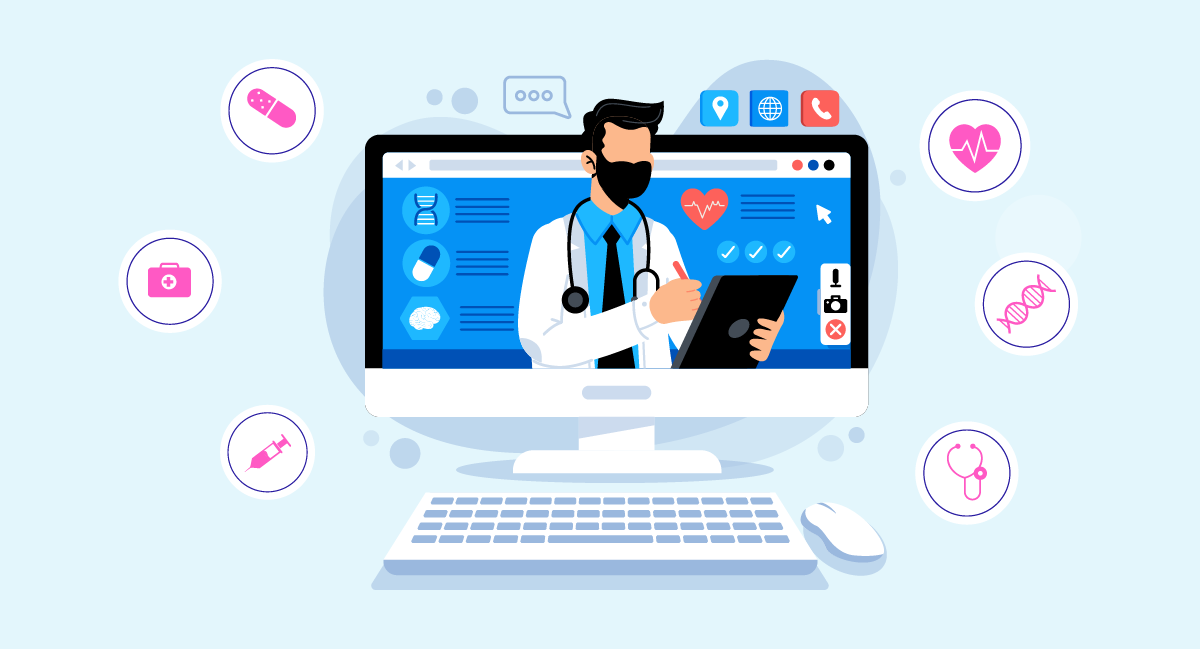
Telemedicine has become a cornerstone of smart clinics, allowing patients to consult with healthcare providers remotely. Through secure video calls, messaging platforms, or specialized apps, patients can receive timely care without the need to travel. This is particularly beneficial for individuals in remote areas or those with mobility challenges.
Telemedicine also supports chronic disease management by enabling regular virtual check-ins, remote monitoring, and timely adjustments to treatment plans. By reducing the need for in-person visits, clinics can optimize their schedules and resources while maintaining high-quality care.
IoT and Smart Medical Devices
The Internet of Things (IoT) is another technological advancement transforming clinics. Smart medical devices, such as wearable monitors and connected diagnostic equipment, allow for continuous monitoring of patient health. These devices can track vital signs, glucose levels, heart rhythms, and more, sending real-time data directly to healthcare providers.
By integrating IoT devices into clinic workflows, doctors gain a more comprehensive understanding of patient health, enabling proactive interventions. Additionally, this continuous data collection helps in long-term health trend analysis, leading to better prevention strategies and personalized treatment plans.
Enhancing Patient Experience
Smart clinics are not just about internal efficiencies they prioritize patient experience as well. Technologies like self-check-in kiosks, mobile apps for appointment management, and automated reminders enhance convenience for patients. Personalized dashboards can provide patients with access to their test results, treatment plans, and educational resources, empowering them to take an active role in their healthcare journey.
The overall effect is a healthcare environment that feels modern, responsive, and patient-centered. Patients spend less time waiting, receive more personalized attention, and experience fewer errors an outcome that benefits both the individual and the clinic.
The Impact on Clinic Operations
Adopting smart technologies also transforms the operational landscape of clinics. Automated scheduling, inventory management, and billing systems reduce administrative workload and minimize human error. Staff can focus more on patient care rather than manual tasks, improving morale and efficiency.
Furthermore, analytics dashboards provide clinic managers with actionable insights into performance metrics, patient flow, and resource allocation. These insights enable data-driven decisions, helping clinics optimize operations, reduce costs, and scale effectively.
Conclusion: Embracing the Smart Clinic Revolution
The transformation of clinics into smart healthcare hubs is no longer a futuristic concept—it is happening now. By integrating technologies such as digital health records, AI, telemedicine, IoT devices, and patient-centric tools, clinics can deliver higher-quality care while enhancing efficiency and patient satisfaction.
For clinics looking to stay ahead in this rapidly evolving landscape, investing in comprehensive Patient Management Software is crucial. Platforms like the ones offered by Instacare.com.pk empower healthcare providers to streamline operations, manage patient data seamlessly, and deliver smarter, more personalised care. Embracing these technologies is not just a competitive advantage, it is an essential step toward creating the clinics of the future.
Zuraiz Khan