


Introduction
Ksubi’s evolution into a global fashion heavyweight isn’t just another success story—it’s a full-blown cultural shift that reshaped the identity of modern streetwear. When you think of Ksubi today, you probably picture ripped denim, bold statements, and a kind of effortless rebellion that feels both raw and refined. But what’s truly fascinating is how this brand went from a small Australian experiment to a worldwide fashion staple embraced by celebrities, influencers, musicians, and everyday style lovers. The rise didn’t happen overnight. It was fueled by bold risks, rule-breaking creativity, and a vision that refused to stay in one lane.
To understand why the world fell in love with Ksubi, you have to go back to its roots—back when it wasn’t even called Ksubi Clothing yet, and when its founders were simply chasing authenticity in an industry full of polished perfection. Over time, the brand tapped into something deeper than denim. It tapped into attitude. Into courage. Into that subtle but powerful desire for individuality in a world where trends often feel copy-and-paste. This authenticity became the foundation of its global resonance.
As Ksubi expanded internationally, its influence spread at a speed no one expected—not even the founders. What started with a few controversial fashion shows and experimental denim drops soon became a lifestyle embraced from Sydney to Los Angeles to Tokyo. With its bold marketing, celebrity endorsements, and fearless creative direction, the brand built a cult following that still grows stronger every year. Whether you’re into fashion or not, you’ve probably seen the iconic cross logo at least once—on someone walking down the street, on stage during a concert, or even dominating your social media feed.
This article takes you through the entire journey—how Ksubi rose, why it resonated, and how it became one of the most influential streetwear brands in the world. Get ready, because this is the story of a brand that didn’t just climb the fashion ladder—it kicked it over and built its own.
The Birth of a Distinctive Australian Brand
Ksubi didn’t start as a corporate-backed label or a calculated fashion project—it emerged from the raw, unfiltered creativity of a few Australian friends who simply wanted to wear something different. Back in the early 2000s, the fashion scene in Australia felt somewhat predictable, leaning heavily toward safe designs and commercial trends. The founders, Dan Single, George Gorrow, and Gareth Moody, grew tired of the lack of innovation and took matters into their own hands. They didn’t have formal design backgrounds at the start, but what they did have was a clear sense of identity and a rebellious spirit that said, “Why follow the rules when you can create your own?”
What truly set Ksubi apart from the very beginning was the founders’ refusal to compromise on artistic expression. They weren’t trying to create designs that fit into a particular retail mold. Instead, they experimented relentlessly: bleaching, ripping, sanding, dyeing, reshaping—turning denim into something raw and expressive. This DIY approach wasn’t just aesthetic; it was cultural. They were creating clothing that felt alive, imperfect, and deeply personal. In those early years, when the brand was still known as “Ksubi,” every piece was truly a reflection of the founders’ hands-on creativity.
Their first public appearances were nothing short of explosive. Rather than hosting traditional fashion shows, they staged shocking, unforgettable events meant to shake the industry awake. One infamous show involved releasing dozens of live rats on the runway—an act that instantly cemented the brand’s rebellious identity and caught worldwide attention. The message was clear: Ksubi wasn’t here to politely participate in fashion. It was here to disrupt it.
This fearless energy quickly helped the brand gain traction far beyond Australia. Even before their global expansion began, Ksubi had already become an underground icon. The raw denim, handmade details, and refusal to follow industry norms created a loyal cult following that admired the boldness of the brand. What makes this origin story even more compelling is that it was built on authenticity rather than strategy. Ksubi wasn’t chasing trends—it was creating them. And that authenticity became the driving force behind its rise on the international stage.
How Ksubi Challenged Early 2000s Fashion Norms
When Ksubi entered the fashion scene in the early 2000s, the industry was dominated by polished aesthetics, clean silhouettes, and predictable denim trends. Brands played it safe. Stores were filled with machine-perfect jeans that looked identical from one rack to the next. But Ksubi didn’t just disrupt this landscape—they detonated it. At a time when mainstream fashion prioritized perfection, Ksubi Hoodie boldly celebrated imperfection, embracing frayed hems, intentional distressing, mismatched stitching, and washed-out finishes. It was a rebellion against the overly commercialized denim market and a statement that clothing should reflect personality, not conformity.
One of the biggest ways Ksubi challenged fashion norms was by treating garments as pieces of expression rather than commodities. Instead of carefully curated, spotless pieces, Ksubi delivered jeans that looked like they had lived a life—worn-in, weathered, and unapologetically defiant. This raw aesthetic stood in stark contrast to the glossy, highly polished denim trends that dominated magazines at the time. Many designers were focused on sleekness and minimalism, but Ksubi approached denim as an evolving canvas, pushing the boundaries of what “fashionable” could look like.
Their runway shows further amplified their desire to disrupt. Rather than sticking to industry etiquette, Ksubi staged provocative, chaotic presentations designed to spark conversation. From their now-legendary “rat runway” to shows filled with fire, explosions, or unexpected props, Ksubi turned fashion presentations into performances—part protest, part art installation. They wanted people to feel their designs, not just see them. And in doing so, they created a sense of shock value that brought them global attention almost instantly.
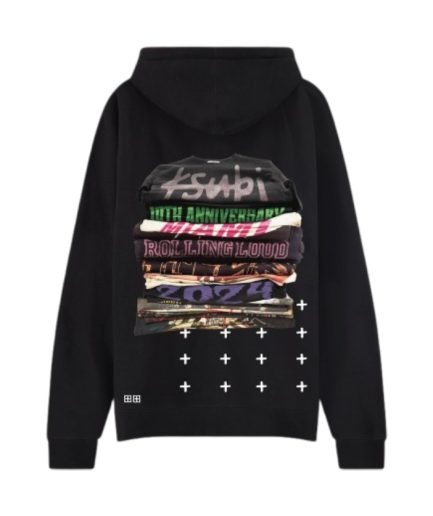
Their approach to branding also broke rules. When most labels focused on logos, Ksubi used symbols—particularly the now-iconic “+×” cross logo. It wasn’t a traditional brand mark; it felt more like graffiti or an underground tag. It wasn’t printed loudly across every piece or plastered on ads—it was stitched, sprayed, and subtly incorporated into garments in a way that felt exclusive. This symbol, like a secret signature, quickly became one of the most recognizable elements of the brand, representing rebellion, freedom, and individuality.
By rejecting fashion norms and reinventing denim, Ksubi set the stage for a new era of streetwear. Their bold choices not only challenged the industry—they reshaped it, inspiring countless brands that would follow.
The Founders’ Vision and Creative Rebellion
The founders of Ksubi—Dan Single, George Borrow, and Gareth Moody—did not set out to create just another fashion label. Their vision was rooted in rebellion, creativity, and a deep desire to make clothing that felt authentic, expressive, and unapologetically raw. What separated them from other emerging designers of the early 2000s was their willingness to completely disregard traditional fashion rules. They weren’t interested in trends or seasonal demands. Instead, they were motivated by a craving for freedom—freedom to design, to experiment, and to push boundaries without worrying about fitting into the industry’s mold.
Their creative rebellion began with denim, but it quickly expanded into a full-blown movement. Denim represented something timeless yet flexible—something they could manipulate, destroy, rebuild, and transform while still maintaining its identity. The founders believed clothing should carry a story, and the imperfections, fraying, and distressing added layers of personality to each piece. Their vision was to create clothing that felt lived-in, personal, and emotionally charged. They wanted wearers to feel like the denim already had a history, and that by putting it on, they were becoming part of that story.
Beyond the clothes, the founders fostered a culture of artistic experimentation. They weren’t afraid to cross between fashion, visual art, street culture, skate culture, and even music. This fluidity allowed Ksubi to become more than a brand—it became a lifestyle hub for creatives who didn’t want to be boxed in. Their studios weren’t polished design rooms; they were raw creative spaces filled with sketches, spray paint, denim scraps, and the chaotic energy that fuels true artistic expression.
Even their early marketing reflected this rebellious mindset. Instead of corporate campaigns, they let their personality shine through overnight graffiti, handmade cookbooks, and shock-factor runway shows that were part art installation and part social commentary. Their goal wasn’t to please everyone but to speak directly to the people who craved individuality and weren’t afraid of standing out. This attitude resonated deeply with youth culture and set the tone for what Ksubi would become internationally.
Ultimately, the founders’ vision wasn’t just to challenge fashion—it was to challenge expectations. Their creative rebellion laid the foundation for a global brand that still embodies its original spirit: raw, fearless, and defiantly authentic. Read More…..
Ksubi Clothing