


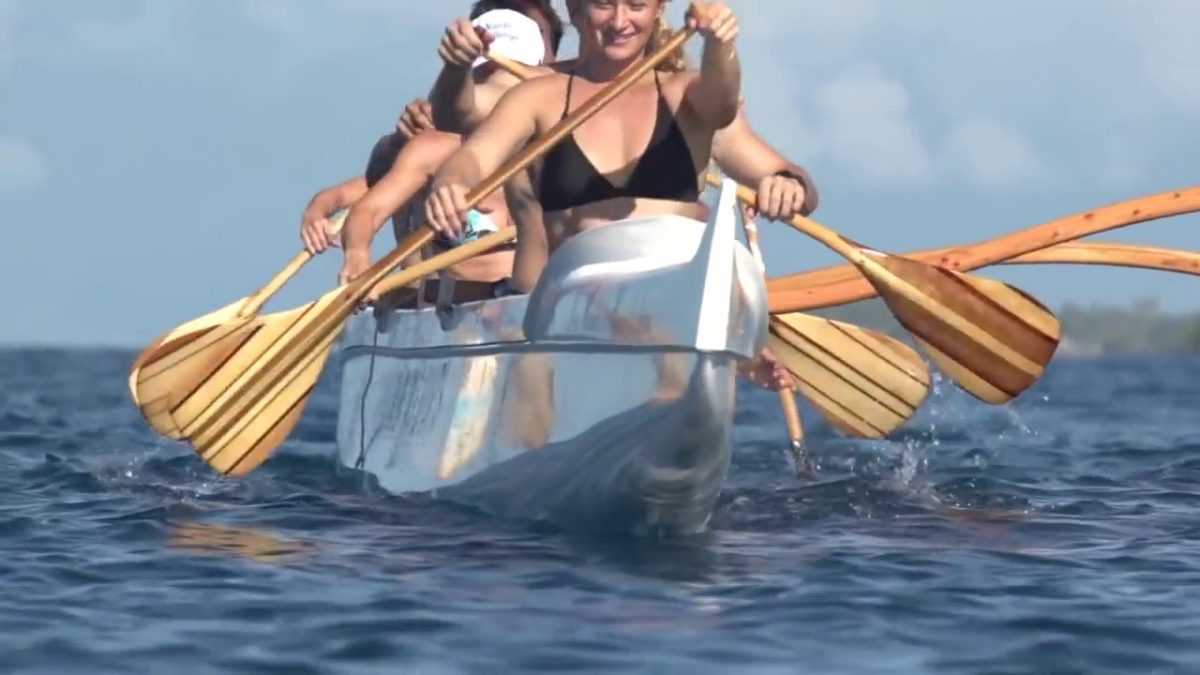
Hawaiian paddle sports represent more than just recreational activities they’re a living connection to Polynesian heritage that spans over 1,500 years. Whether you’re gliding across glassy morning waters on a stand-up paddleboard, experiencing the teamwork of outrigger canoe racing, or exploring hidden coastal caves through Maui kayak tours, these ocean traditions offer unparalleled ways to connect with Hawaii’s marine environment. This comprehensive guide covers everything from choosing your first paddleboard to understanding the cultural protocols that govern Hawaii’s waters, helping both beginners and experienced paddlers make the most of their Hawaiian paddle sports journey while respecting the islands’ precious ocean resources.
Understanding the Rich Heritage of Hawaiian Paddle Sports
The story of Hawaiian paddle sports begins centuries before modern tourism, when Polynesian voyagers navigated thousands of miles using only stars, currents, and their intimate knowledge of the ocean. The outrigger canoe, or wa’a, wasn’t merely transportation it was survival, spirituality, and identity carved into koa wood.
Today’s Hawaiian paddle sports carry forward this legacy. When you participate in these activities, you’re engaging with traditions that ancient Hawaiians refined through generations of ocean wisdom. This cultural depth separates Hawaiian paddle sports from generic water activities found elsewhere, creating experiences that feed both body and soul.
The Three Pillars of Modern Hawaiian Paddling
Stand-Up Paddleboarding (SUP): While SUP gained global popularity in the early 2000s, Hawaiian watermen have used stand-up techniques for generations to survey fishing grounds and catch waves. Modern SUP boards range from stable 11-foot recreational models perfect for beginners to sleek racing boards designed for open ocean conditions.
Outrigger Canoeing: The outrigger canoe remains the heart of Hawaiian paddle sports. Six-person crews move in synchronized rhythm, their paddles entering the water with the distinctive “hut” calls that have echoed across Pacific waters for millennia. Outrigger racing combines athletic intensity with deep cultural significance.
Ocean Kayaking: While kayaks originated elsewhere, they’ve found their perfect home in Hawaiian waters. Maui kayak adventures allow paddlers to access remote snorkeling spots, lava tubes, and protected marine sanctuaries impossible to reach by land.
Choosing Your Hawaiian Paddle Sports Experience on Maui
Maui offers some of the world’s finest conditions for paddle sports, with protected bays, consistent trade winds, and crystal-clear visibility that often exceeds 100 feet. Here’s how to select the right experience.
Best Locations for Each Discipline
For SUP Beginners: Makena Landing offers calm morning conditions with sea turtle sightings almost guaranteed. The protected bay provides ideal learning conditions before you venture into more challenging waters.
For Experienced Paddlers: The Pailolo Channel between Maui and Molokai presents serious ocean conditions that test even seasoned athletes. Strong currents and substantial swells demand respect and preparation.
For Maui Kayak Tours: The South Shore’s morning calm creates perfect conditions for exploring. Maui kayak adventures departing from Wailea or Makena provide access to multiple snorkel sites, with guides sharing knowledge about marine life, geology, and Hawaiian history.
Seasonal Considerations That Matter
Winter months (November through March) bring larger North Shore swells and occasional stormy conditions, but South Shore locations remain relatively calm. Summer offers the most consistent conditions across all Hawaiian paddle sports, with gentle trade winds and warm water temperatures averaging 78-80°F.
Early mornings consistently provide the best conditions regardless of season. Trade winds typically pick up by 10 a.m., creating choppier surfaces that challenge beginners while adding excitement for experienced paddlers.
Equipment Essentials for Hawaiian Paddle Sports
SUP Board Selection
Your ideal board depends entirely on your goals. Wider boards (32+ inches) offer stability for yoga, fishing, or casual cruising. Narrower racing boards (25-28 inches) sacrifice stability for speed and efficiency. Most beginners thrive on all-around boards measuring 10’6″ to 11’6″ with 30-32 inch widths.
Inflatable SUPs have revolutionized travel convenience, though hard boards still offer superior performance. If you’re flying to Hawaii, consider renting locally rather than dealing with airline board fees and potential damage.
Outrigger Canoe Basics
Most visitors experience outrigger canoeing through guided sessions rather than independent rental. Reputable outfitters provide everything needed, including instruction on proper paddling technique, seat positioning, and the cultural protocols surrounding these traditional vessels.
Maui Kayaks: Single vs. Tandem
Maui kayaks come in both single and tandem configurations. Tandems offer stability and allow couples or families to paddle together, though they require coordination to maintain straight tracking. Singles provide complete control but demand more individual strength and skill.
Quality outfitters provide sit-on-top ocean kayaks specifically designed for Hawaiian conditions, with drainage systems, comfortable seats, and storage compartments for snorkel gear and waterproof bags.
Ocean Etiquette: The Unwritten Rules of Hawaiian Waters
Understanding ocean etiquette isn’t optional it’s essential for safety, cultural respect, and environmental protection. Hawaiian paddle sports demand awareness beyond basic paddling skills.
Cultural Protocols That Honor Tradition
Respect Sacred Sites: Certain coastal areas hold spiritual significance. Research your paddling route beforehand, and if local signage or guides indicate cultural sensitivity, honor those boundaries absolutely.
Acknowledge Local Paddlers: Hawaii’s resident paddling community maintains deep ocean knowledge and generational connections to specific breaks and bays. A friendly shaka (thumb and pinkie extended) acknowledges their presence and shows respect.
Leave No Trace: Pack out everything you bring. Ocean currents can carry seemingly harmless items miles from shore, threatening marine life and coral ecosystems.
Safety Protocols for Responsible Paddling
Always wear a Coast Guard-approved personal flotation device during Maui kayak adventures, even if you’re a strong swimmer. Ocean conditions change rapidly, and exhaustion can overcome even experienced athletes.
Check ocean forecasts before every session. Small craft advisories, high surf warnings, and strong current alerts deserve absolute respect. Experienced locals sometimes paddle in marginal conditions, but they possess knowledge and skills developed over years.
Paddle with partners whenever possible. Solo paddling multiplies every risk, from equipment failure to unexpected medical issues.
Marine Life Interaction Guidelines
Hawaii’s waters teem with protected species including sea turtles (honu), Hawaiian monk seals, spinner dolphins, and humpback whales (winter months). Federal law requires specific distance minimums:
- 50 feet from sea turtles
- 50 feet from monk seals
- 50 yards from spinner dolphins
- 100 yards from humpback whales
These aren’t suggestions. Violations carry substantial fines and potential criminal charges. Beyond legal requirements, these distances represent basic respect for wild animals in their natural habitat.
Training and Skill Development in Hawaiian Paddle Sports
Building Foundational Technique
Proper paddle stroke mechanics prevent injury while maximizing efficiency. Your power comes from torso rotation, not arm strength. Professional instruction during your first few sessions establishes correct form that becomes muscle memory.
Many Maui kayak tours include brief instruction before departure, but dedicated SUP or outrigger lessons provide deeper skill development. Two or three focused sessions typically provide enough foundation for safe recreational paddling.
Advancing Your Skills
Once basic competency is established, Hawaiian paddle sports offer endless progression opportunities. Racing, downwind runs, surf zone entries, and long-distance touring each demand specialized skills.
Local paddling clubs welcome visitors to group training sessions. Participating in these gatherings provides invaluable local knowledge about conditions, routes, and technique while building connections with Hawaii’s passionate paddling community.
Making the Most of Maui Kayak Adventures
Professional Maui kayak tours offer advantages beyond equipment rental. Experienced guides know exactly when and where conditions align perfectly, which reefs host the most vibrant marine life, and how to navigate safely through areas with strong currents or surge.
The best outfitters limit group sizes, maintain excellent equipment, and employ guides with deep local knowledge and genuine passion for ocean education. They transform simple paddling into comprehensive experiences that connect participants with Hawaiian ecology, geology, and culture.
Morning departures typically provide optimal conditions, with calm seas, excellent visibility, and active marine life. Afternoon sessions work for some locations but require careful operator selection and weather monitoring.
Embracing the Hawaiian Paddle Sports Lifestyle
Hawaiian paddle sports offer something increasingly rare in modern life genuine presence. When you’re navigating ocean swells, reading wind patterns, and moving in rhythm with ancient traditions, digital distractions fade completely.
This mindful connection to ocean and tradition explains why so many visitors return year after year, why locals structure their entire lives around dawn patrol paddles, and why Hawaiian paddle sports continue growing while so many fitness trends fade.
Whether you’re testing yourself in competitive outrigger racing, exploring hidden coastlines through Maui kayak adventures, or simply seeking the meditative rhythm of SUP at sunrise, these traditions offer something far beyond exercise. They offer connection to nature, to heritage, and to the profound peace that comes from moving skillfully across open water.
Start your Hawaiian paddle sports journey with humility, respect, and openness to learning. The ocean has been teaching people for millions of years. All you need to do is listen.
Anas Khan