
Transportable shade sheds have become an increasingly popular solution for homeowners, farmers, business owners, and outdoor enthusiasts who need strong, reliable, and movable shelter. These sheds are designed to offer quick protection for vehicles, equipment, animals, and goods—without the need for complex construction, permanent permits, or heavy foundation work. Whether you need a temporary carport, a portable storage unit, or a flexible livestock shelter, transportable shade sheds provide convenience, durability, and cost-effectiveness.
In this article, we explore what transportable shade sheds are, their advantages, major applications, materials used, buying considerations, and tips for long-term performance.
What Are Transportable Shade Sheds?
A transportable shade shed is a prefabricated, lightweight, and movable structure designed to provide protection from harsh sun, heavy rain, hail, wind, and other environmental elements. These sheds usually feature a steel frame and a tough canopy made of poly fabric, PVC, or shade cloth. Their biggest advantage is that they can be assembled and disassembled easily—making them ideal for temporary or semi-permanent use.
Unlike traditional sheds or garages, transportable shade sheds do not require a permanent foundation and can be relocated to another part of the property or taken to an entirely different site.
Key Benefits of Transportable Shade Sheds
1. Highly Portable & Easy to Relocate
The main selling point is mobility. You can pack, move, and reinstall the shed wherever needed—perfect for farms, work sites, rental properties or temporary storage.
2. No Permanent Foundations Required
Most models don’t need concrete slabs or permanent anchoring. Ground pegs, weight plates or screw anchors are enough to secure them.
3. Affordable Alternative to Traditional Sheds
Transportable shade sheds cost a fraction of what a full garage or metal building would. They are a budget-friendly solution for short-term and long-term use.
4. Quick and Simple Installation
Many models can be assembled in a few hours with basic tools. No professional builders are required—making them ideal for DIY users.
5. Protection From Weather Elements
These sheds shield vehicles, animals, and equipment from:
-
UV rays
-
Rain
-
Snow and frost
-
Hail
-
Bird droppings
-
Falling debris
6. Versatile for Multiple Applications
Their flexible design allows them to be used in residential, commercial, agricultural, and industrial settings.
Popular Uses of Transportable Shade Sheds
Transportable shade sheds work in many environments and industries. Below are the most common uses:
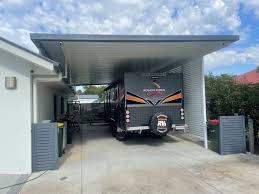
▪ Vehicle Protection
You can use them as temporary carports for:
-
Cars
-
Trucks
-
Caravans
-
Boats
-
Trailers
-
Motorcycles
They prevent paint fading and protect against weather damage.
▪ Farm & Agricultural Use
Farmers rely on portable shade sheds to:
-
Protect livestock from heat
-
Store hay, grains, feed and farming tools
-
Provide shaded working areas
-
Cover tractors and equipment
▪ Industrial & Worksite Shelters
They create flexible spaces on construction sites for:
-
Tool storage
-
Workspace shading
-
Machinery cover
▪ Outdoor Events & Recreational Use
Great for:
-
Camping
-
Market stalls
-
Events and exhibitions
-
Picnic areas
Their portability makes them perfect for temporary events.
Materials Used in Transportable Shade Sheds
1. Steel Frames
Most shade sheds use galvanized steel or powder-coated steel frames. These materials are strong, rust-resistant and capable of withstanding tough environmental conditions.
2. Shade Cloth or Poly Fabric
Lightweight and breathable, ideal for animal shade or mild weather protection.
3. PVC or Polyethylene Cover
A durable, waterproof cover used for carports and storage applications. It resists UV rays and heavy rain.
4. Reinforced Anchoring Systems
Including:
-
Ground pegs
-
Sandbags
-
Weight plates
-
Screw anchors
These ensure stability against wind and movement.
What to Look for When Buying a Transportable Shade Shed
1. Size and Dimensions
Choose the right size depending on your needs—whether it’s a car, caravan, boat, or livestock.
2. Frame Strength
Opt for heavy-duty steel frames for better stability and longer lifespan.
3. Canopy Material
Pick based on usage:
-
Shade cloth for animals
-
PVC/poly cover for vehicles or equipment
-
Heavy-duty fabric for industrial use
4. Anchoring System
A strong anchoring kit is essential to withstand high winds or uneven ground.
5. UV & Weather Resistance
Make sure the cover has UV protection and waterproofing capabilities.
6. Portability Features
Look for easy-to-assemble joints, lightweight components, and compact storage.
7. Warranty & After-Sales Support
A long warranty indicates the manufacturer’s confidence in product quality.
Maintenance Tips for Long-Lasting Performance
To keep your transportable shade shed in great condition:
-
Regularly inspect the frame for rust or loose bolts
-
Check canopy fabric for tears or wear
-
Clean the cover to prevent dirt buildup
-
Remove snow or water pooling from the roof
-
Re-tighten anchors after storms or windy days
Proper maintenance can significantly extend its life.
Conclusion
Transportable shade sheds provide a practical, economical, and versatile solution for anyone needing quick and reliable weather protection. Whether you’re shielding vehicles, storing farm tools, protecting livestock, or preparing for outdoor events, these movable shelters offer flexibility that permanent structures can’t match. With the right size, material, and anchoring system, a transportable shade shed can serve you for years—making it a smart investment for both home and business use.
Transportable Shade Sheds