
For many homeowners, the outdoor aesthetic is a point of pride. You spend weekends manicuring the lawn, choosing the perfect perennials, and designing a hardscape that feels like an oasis. Then, the local water authority or a plumbing code update requires the installation of a water backflow preventer.
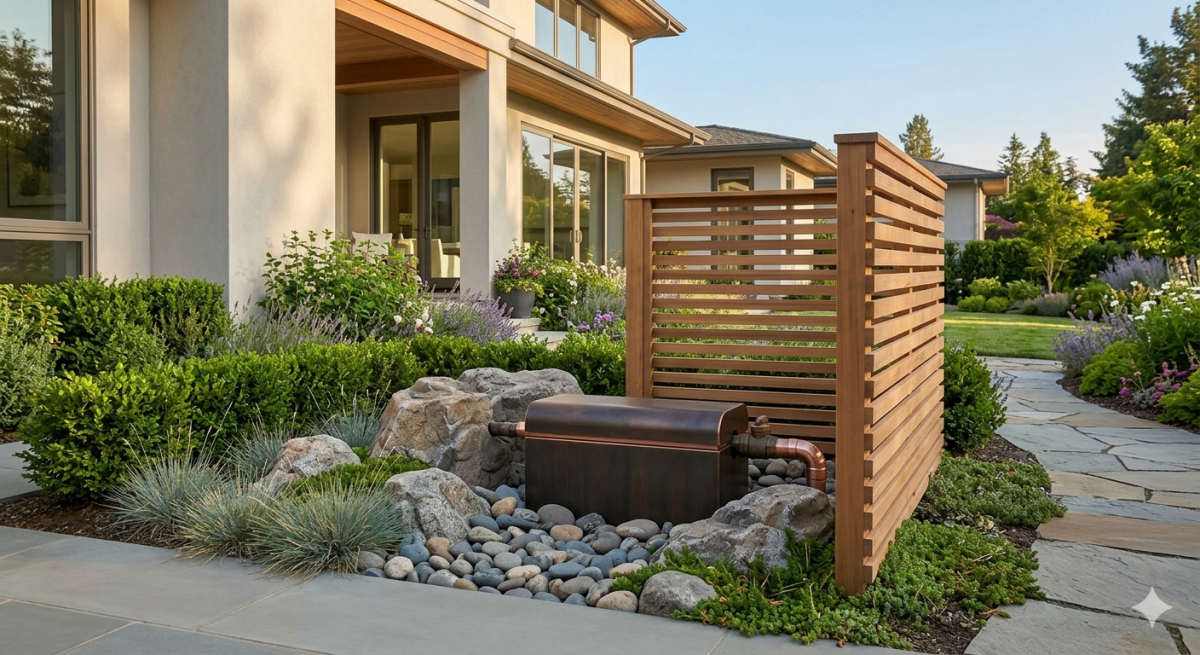
Suddenly, your beautiful garden is interrupted by a series of industrial-looking copper pipes and brass valves. In the past, a water backflow device was a bulky, utilitarian eyesore that stood out like a sore thumb. However, in 2026, the intersection of engineering and exterior design has evolved. You no longer have to choose between keeping your family’s drinking water safe and maintaining a magazine-worthy yard.
In this guide, we’ll explore how modern backflow designs and clever concealment techniques are changing the game for residential landscaping.
Why the Water Backflow Preventer is Non-Negotiable
Before we dive into the aesthetics, it is important to understand why this equipment exists. A water backflow device is a mechanical valve assembly that ensures water flows in only one direction: into your home.
Without it, changes in water pressure—caused by things like a nearby fire hydrant being used or a water main break—can create a vacuum effect. This can suck “cross-contaminated” water (filled with fertilizers, pesticides, or pet waste from your lawn) backward into your clean drinking water supply. While it might look like a hunk of metal, it is actually the frontline defense for your household’s health.
The Shift Toward “Low-Profile” Engineering
Modern manufacturers have heard the complaints of homeowners and landscape architects alike. The newest generation of backflow preventers is being designed with “low-profile” footprints.
Older models often required vertical installations that stood three feet off the ground. Newer designs are more compact, utilizing “N-Shape” or “U-Shape” configurations that hug the ground more closely. By reducing the vertical height of the unit, it becomes significantly easier to hide behind a small shrub or a decorative stone wall without compromising the accessibility required for annual testing.
3 Sleek Ways to Integrate Your Water Backflow Device into Your Landscape
If you are installing a new system or upgrading an old one, consider these three trendy design approaches to keep your curb appeal intact.
1. The “Naturalistic” Camouflage
One of the most popular trends in 2026 is the use of high-quality, hollow artificial rocks. Unlike the cheap plastic “fake rocks” of a decade ago, modern versions are molded from real stone textures and hand-painted to match local regional geology.
- The Benefit: These rocks are lightweight and can be lifted off easily by a plumber for maintenance.
- The Design Tip: Don’t just place one lone rock over the device. Create a “rock cluster” or a small rock garden. Surround the artificial rock with real river stones and ornamental grasses to make it look like a deliberate part of the landscape.
2. Custom Hardscape Enclosures
For modern, minimalist homes, a fake rock might feel out of place. Instead, homeowners are opting for custom-built enclosures that mirror the architecture of the house.
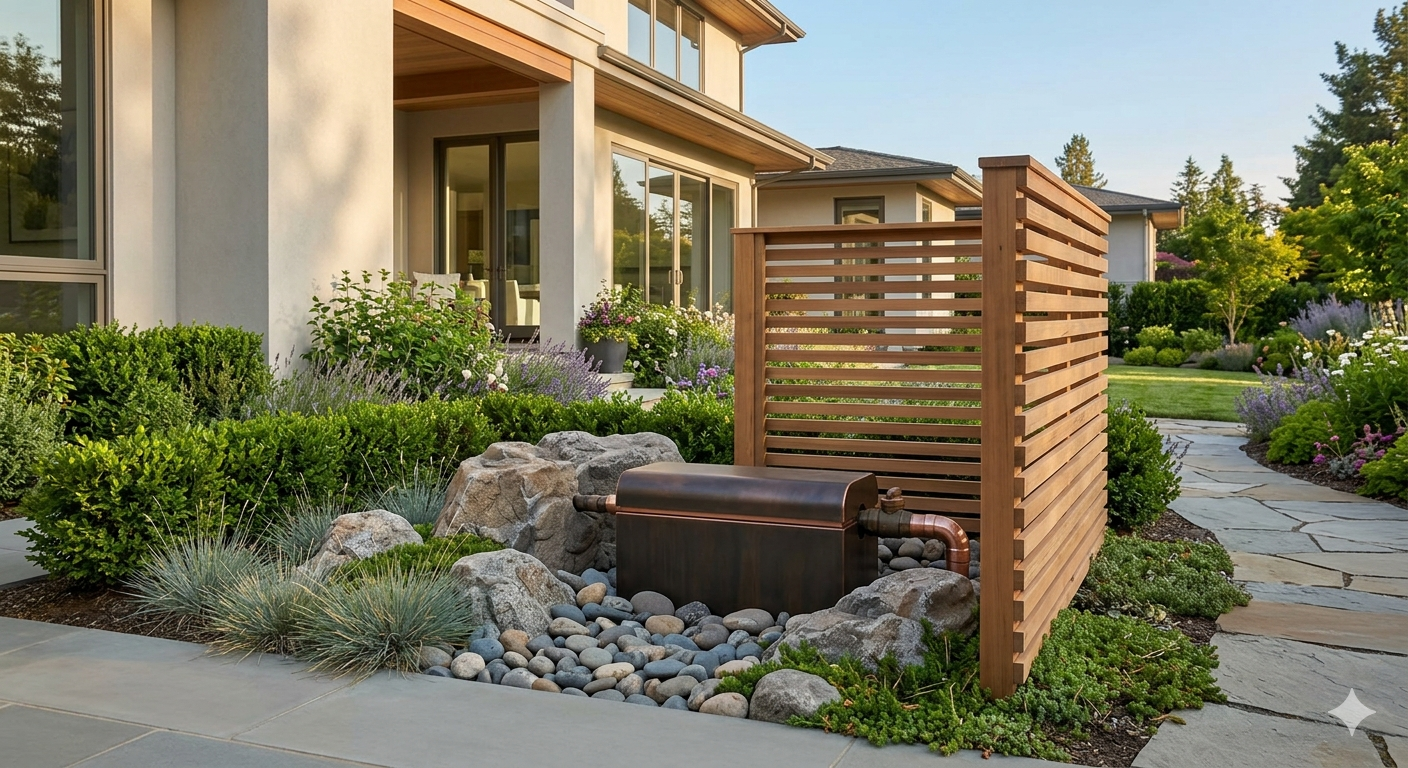
- Slat-Wood Screens: Using weather-resistant cedar or composite slats allows for plenty of airflow (which is necessary for the device) while creating a sleek, contemporary look.
- Stucco or Stone Pillars: Some high-end designs incorporate the water backflow device into a hollowed-out pillar that matches the home’s exterior siding or garden walls.
3. “Living Walls” and Hedges
Softscaping remains the most organic way to hide a water backflow preventer. However, you must be careful not to plant species with invasive roots that could damage the pipes.
- Boxwoods and Privets: These can be manicured into a tight “U-shape” around the device, leaving one side open (or easily accessible) for technicians.
- Ornamental Grasses: Species like Maiden Grass or Blue Oat Grass provide height and density during the summer months, effectively blurring the lines of the metal pipes without requiring permanent structures.
Safety and Compliance: The Golden Rules of Concealment
While we want the water backflow device to be invisible, it cannot be inaccessible. Most municipal codes require a certain amount of clearance around the device for a certified technician to perform annual testing.
When designing your “sleek” solution, keep these three rules in mind:
- Clearance: Ensure there are at least 12 to 24 inches of clear space around the assembly.
- Drainage: Backflow preventers occasionally discharge water. Never “seal” the device in a box without drainage holes, or you risk flooding the internal components.
- Insulation: In colder climates, aesthetics shouldn’t trump warmth. Modern insulated “hot boxes” now come in various colors (like forest green or sand) to blend in while preventing the copper pipes from bursting in a freeze.
Smart Monitoring: The Ultimate 2026 Upgrade
The trendiest update to the modern backflow preventer isn’t actually something you see—it’s something you feel (or see on your phone).
Many homeowners are now opting for “Smart Backflow” setups. These include sensors that detect if the device is leaking or if a backflow event has occurred, sending an alert directly to your smartphone. This allows you to hide the device even more effectively (perhaps further back in your property) because you don’t need to manually inspect it every day to know it’s working.
Choosing the Right Professional for the Job
Integrating a water backflow device into a high-end landscape requires a collaboration between your landscaper and your plumber. You need a team that understands both the hydraulic requirements of the valve and the aesthetic goals of your property.
At Arbor Plumbing, we specialize in high-quality installations that prioritize both safety and style. We know that your home is your sanctuary, and a necessary safety device shouldn’t feel like a blemish on your hard work.
Conclusion
A water backflow preventer is a vital component of a healthy home, but it doesn’t have to be an eyesore. With the rise of low-profile designs, realistic faux-stone covers, and architectural screening, you can keep your water clean and your garden beautiful.
By planning ahead and choosing a sleek, modern setup, you ensure that the only thing people notice about your yard is your beautiful landscaping—not the plumbing that keeps it running.
Are you ready to upgrade your home’s water safety without sacrificing your curb appeal? Visit Arbor Plumbing today to learn more about our modern backflow solutions and professional testing services.
Arbor Plumbing