

Introduction
Have you ever wondered what keeps hospitals running during massive blackouts, or how factories don’t miss a beat even when power grids fail? It’s not luck. It’s planning. And often, it’s Diesel Generators running silently (or sometimes loudly) behind the scenes.
If you’re managing a site that needs power around the clock, the idea of 24/7 generator operation probably sounds like both a lifesaver and a headache. On one hand, it means reliability. On the other, it brings questions about cost, maintenance, and long-term impact.
So let’s talk about it — honestly, clearly, and without unnecessary jargon.
You’ll get the real pros and cons, practical insights, and a few things people don’t tell you upfront.
Why 24/7 Power Is No Longer a Luxury
These days, uninterrupted power isn’t just “nice to have.”
For many businesses, it’s survival.
Think about these situations for a moment:
-
A hospital loses power during surgery.
-
A data center goes offline and loses critical information.
-
A manufacturing plant shuts down mid-production.
Every minute without power costs money, safety, or trust.
That’s why many companies rely on continuous power backup systems. Especially in areas where grid power is unstable, generators become the backbone of operations. But running them 24/7 is a whole different story.
And this is where things get interesting.
What Does Running a Generator 24/7 Really Mean?
When people say 24/7 operation, they don’t just mean using a generator “sometimes.”
They mean it becomes the primary power source, not the backup.
This is common in:
-
Remote construction sites
-
Oil and gas fields
-
Mining operations
-
Temporary event setups
-
Areas with unreliable or no grid coverage
In these cases, your generator isn’t just a plan B.
It is the plan.
And like any long-term relationship with a machine, it comes with good and bad parts.
Major Advantages of Continuous Generator Operation
Let’s start with the positives. Because yes — there are many.
1. Reliable Power When You Need It Most
This one’s obvious, but it matters.
When your generator runs 24/7, your operation doesn’t depend on unpredictable power lines. This means:
-
Fewer interruptions
-
More stable production
-
Better customer service
-
Higher overall productivity
For businesses, this kind of stability isn’t just helpful — it’s priceless.
2. Independence From Grid Failures
Power grids are great… when they work.
But outages still happen, especially during storms, high demand seasons, or technical failures.
A continuously running generator takes that risk off your shoulders.
You’re not waiting for someone else to fix the problem. You’re in control.
And that’s a powerful position to be in.
3. Perfect for Remote & Off-Grid Locations
Let’s be real. Not every worksite is in the middle of a city.
Remote locations often don’t have access to reliable electricity. Running a generator 24/7 allows your business to operate anywhere, not just where the grid reaches.
This flexibility opens doors to more opportunities and expansions.
4. Supports Heavy Equipment and High Loads
Some operations require massive power loads — more than standard grids can easily supply.
Large industrial machines, high-capacity cooling systems, and server farms often need consistent, heavy-duty power.
Continuous generator use can handle that without strain, if sized and maintained correctly.
5. Helps Avoid Costly Downtime
Here’s the thing: downtime is expensive.
And not just in money. It affects deadlines, trust, safety, and reputation.
If power failure costs you thousands per hour, then running a generator 24/7 starts to look like a smart investment rather than an expense.
The Reality Check: Disadvantages You Should Know
Now let’s flip the coin.
Because continuous generator use is not all smooth sailing.
1. High Fuel Costs
Let’s not sugarcoat this.
Fuel is the biggest ongoing cost. When your generator runs all day, every day, fuel adds up fast.
Depending on your setup, you could be spending a significant amount every month just to keep it running.
And with fuel prices fluctuating, your costs are never completely predictable.
2. More Maintenance, Less Rest
Machines need rest.
And when they don’t get it, parts wear out faster.
Running a generator continuously means:
-
More frequent servicing
-
Faster component wear
-
Higher chance of breakdowns over time
If maintenance isn’t done strictly on schedule, you’ll see more issues than you’d like.
3. Noise Pollution
Even modern “silent” generators make noise.
Now imagine that noise running day and night.
For businesses near residential areas, this can become a serious concern.
You might need soundproof enclosures or special placement, which adds extra cost.
4. Environmental Concerns
Let’s be honest. Burning fuel 24/7 isn’t exactly eco-friendly.
Continuous emissions contribute to air pollution and carbon output.
In some regions, you may even face regulatory restrictions or need special permissions.
If sustainability matters to your brand or region, this is something you’ll need to consider carefully.
5. Higher Initial Investment
For 24/7 use, you need:
-
A heavy-duty generator
-
Strong cooling systems
-
Advanced monitoring tools
-
Backup units for safety
This means a higher upfront cost compared to occasional-use systems.
It’s an investment, not an impulse buy.
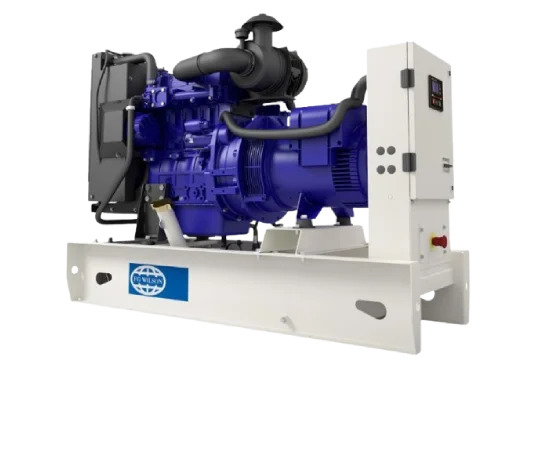
Diesel Generators in 24/7 Industrial Operations
Let’s zoom in on the big picture.
Why do so many industries choose Diesel Generators for continuous use?
Because they are built for endurance.
They are known for:
-
High durability
-
Strong performance under heavy loads
-
Better fuel efficiency compared to some alternatives
-
Long operational life when maintained properly
In industries like construction, healthcare, telecom, and manufacturing, they’re often the first choice for non-stop power supply.
However — and this matters — performance depends heavily on proper sizing, installation, and regular servicing.
If those are ignored, even the best system will disappoint you.
Hidden Operational Challenges People Don’t Talk About
Here’s the thing most people only realize later…
Fuel Storage and Safety
When you’re running continuously, you need a steady fuel supply.
That means:
-
On-site fuel storage
-
Safe handling systems
-
Fire and safety regulations
-
Spill prevention measures
It’s not just about filling a tank. It’s about managing a mini fuel facility.
Heat Management
Continuous operation produces consistent heat.
Without proper ventilation and cooling systems, overheating becomes a real risk.
And overheating shortens equipment life dramatically.
Many operators underestimate this part — and regret it later.
Skilled Monitoring Is Required
24/7 systems can’t be left completely unattended.
You need trained personnel or smart monitoring systems to:
-
Track performance
-
Check fuel usage
-
Monitor temperature and load
-
Detect issues early
Otherwise, small problems can turn into big failures quickly.
How to Decide If 24/7 Operation Is Right for You
This is where it gets personal — because every business is different.
Ask yourself:
-
Do you really need uninterrupted power, or just backup?
-
Can you afford regular fuel and maintenance costs?
-
Do you have staff or systems for monitoring?
-
Are there environmental or legal restrictions in your area?
If power downtime directly affects safety, production, or critical services, then 24/7 operation might be worth the investment.
But if power loss is just an occasional inconvenience, a backup system may be enough.
It’s about matching your solution to your real-world needs.
Smart Ways to Reduce the Downsides
Here’s the good news — the cons can be managed.
A few practical ideas:
-
Use hybrid systems with solar or grid support
-
Schedule preventive maintenance strictly
-
Install soundproof enclosures
-
Use smart fuel monitoring systems
-
Choose high-efficiency models
Small steps like these can save you a lot of money and stress over time.
Frequently Asked Questions
1. Is it safe to run a generator 24/7?
Yes, it can be safe if the generator is designed for continuous operation and properly maintained. Regular servicing, ventilation, and professional installation are essential for safe operation.
2. How often does a 24/7 generator need maintenance?
Typically, servicing is required every 250–500 working hours, depending on model and load conditions. Continuous usage shortens service intervals compared to occasional use.
3. Can I reduce fuel costs for continuous operation?
Yes. You can optimize load usage, use high-efficiency models, or integrate hybrid systems like solar power to lower fuel consumption over time.
4. Are continuous generators suitable for residential use?
Not usually. They’re mainly for industrial or commercial purposes due to noise, fuel usage, and maintenance requirements. However, some special applications may use them with proper planning.
5. What is the biggest risk of running generators nonstop?
The main risks are overheating, mechanical wear, and fuel-related hazards. These risks can be controlled with good design, monitoring systems, and regular maintenance.
Conclusion
Running power systems around the clock is not a small decision — it’s a strategic one.
While Diesel Generators offer reliability, strength, and independence, they also demand commitment in the form of fuel costs, maintenance, and responsible operation.
If you’re willing to invest in the right setup and take care of it properly, they can become the backbone of your business operations.
And here’s the encouraging part: when done right, continuous power brings peace of mind.
Less stress. Less downtime. More control.
So take your time, explore your options, and choose wisely — because reliable power isn’t just about electricity. It’s about confidence.
Neha