


Advancements in medical technology have transformed how surgical procedures are performed. One of the most popular minimally invasive techniques today is laparoscopic surgery, which allows surgeons to operate through small incisions using a camera and specialized instruments. Compared to traditional open surgery, this method reduces pain, minimizes scars, shortens hospital stays, and speeds up recovery. In Islamabad, patients can access high-quality laparoscopic care at trusted centers like Royal Cosmetic Surgery, which combine skilled surgical teams with advanced medical equipment.
This guide provides a comprehensive overview of laparoscopic surgery, including what it is, why it is done, its uses, pre- and post-operative diet, recovery time, and cost.
What is Laparoscopic Surgery?
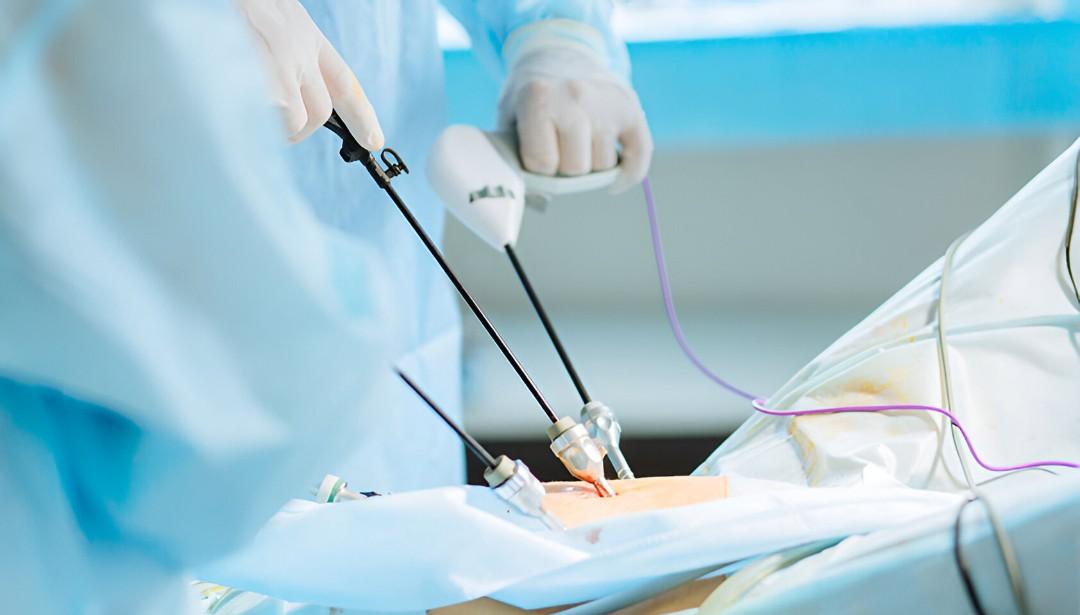
Laparoscopic surgery is a minimally invasive procedure in which operations are performed through several tiny incisions rather than a single large cut. A laparoscope, a thin tube with a light and camera, is inserted through one incision to provide the surgeon with a clear, magnified view of internal organs on a monitor. Additional surgical instruments are introduced through the other small openings to perform the operation accurately.
The technique reduces tissue damage, limits bleeding, and accelerates healing. Laparoscopic surgery is widely used for abdominal, digestive, gynecological, and weight-loss procedures due to its safety and efficiency.
Why is Laparoscopic Surgery Done?
Laparoscopic surgery is recommended when it can safely treat a condition with minimal disruption to the body. Key benefits include:
-
Reduced post-operative pain
-
Smaller, less noticeable scars
-
Lower risk of infection
-
Shorter hospital stay
-
Faster return to daily activities
At Royal Cosmetic Surgery, each patient undergoes a detailed assessment, including medical history and diagnostic tests, to determine if laparoscopic surgery is the best approach.
What is Laparoscopic Surgery Used For?
A common question is: “laparoscopic surgery for what conditions is it used?” The procedure is versatile and suitable for multiple medical issues, including:
-
Gallbladder removal (cholecystectomy): Treats gallstones or gallbladder inflammation
-
Appendectomy: Surgical removal of the appendix
-
Hernia repair: Corrects abdominal wall defects
-
Gynecological procedures: Ovarian cyst removal, fibroid treatment, endometriosis surgery, selective hysterectomy
-
Bariatric procedures: Gastric sleeve and gastric bypass for weight management
-
Diagnostic laparoscopy: Helps identify causes of abdominal pain when imaging tests are inconclusive
This approach allows surgeons to complete complex procedures with fewer complications and faster recovery than traditional surgery.
What to Eat Before Laparoscopic Surgery
Pre-operative nutrition is essential to ensure a safe procedure. Patients are generally advised to eat light, easily digestible meals the day before surgery, such as:
-
Boiled vegetables
-
Yogurt
-
Oatmeal
-
Toast
-
Soft rice
Heavy, fried, or spicy foods should be avoided. Patients are typically required to fast 6–8 hours before surgery. Clear liquids like water or herbal tea may be allowed up to a few hours before the procedure. Avoiding alcohol and sugary drinks is also recommended to reduce anesthesia risks.
What to Eat After Laparoscopic Surgery
After laparoscopic surgery, patients need to gradually reintroduce food to support digestion and healing. The initial stage includes clear liquids like water, light broth, and mild tea. Soft foods, such as mashed potatoes, yogurt, porridge, and soft rice, can be introduced next.
As the digestive system tolerates food, light solid meals like steamed vegetables, eggs, grilled chicken, and fish can be added. Carbonated drinks, spicy foods, and fried meals should be avoided for several days. Smaller, frequent meals are easier on the stomach and help with smooth recovery.
How Many Stitches in Laparoscopic Surgery
One of the advantages of laparoscopic surgery is the minimal number of stitches required. Most procedures involve 3–5 small incisions, each measuring around 0.5–1 cm. Surgeons typically close these using absorbable sutures, medical glue, or adhesive strips. Fewer stitches reduce the risk of infection, promote faster healing, and result in less visible scarring. Proper wound care ensures the best cosmetic outcome.
Laparoscopic Surgery Recovery Time
Laparoscopic surgery recovery time is generally shorter than traditional surgery, although it varies based on the procedure and the patient’s overall health. Typically:
-
Patients can begin light walking within 24–48 hours
-
Light home activities may resume within a week
-
Office work is usually possible in 1–2 weeks
-
Moderate physical activity may return in 3 weeks
-
Heavy lifting or intense exercise may require 4–6 weeks
Temporary bloating or shoulder discomfort may occur due to surgical gas, but it usually resolves within a few days. Following the surgeon’s post-operative care instructions is key to a smooth recovery.
Laparoscopic Surgery Cost in Islamabad
The cost of laparoscopic surgery in Islamabad starts from PKR 150,000, but it can vary depending on factors such as procedure complexity, surgeon expertise, hospital charges, anesthesia, diagnostic tests, and medications. Trusted clinics like Royal Cosmetic Surgery provide clear cost estimates during consultation, allowing patients to plan financially and avoid unexpected expenses.
Why Choose Laparoscopic Surgery?
Laparoscopic surgery offers several advantages over traditional open surgery:
-
Smaller incisions for less pain and faster mobility
-
Reduced blood loss and lower complication rates
-
Shorter hospital stays
-
Minimal scarring with better cosmetic outcomes
-
Precise surgical vision with high-definition camera assistance
For patients in Islamabad, laparoscopic surgery provides a safe, effective, and modern approach to treating a wide range of medical conditions.
Conclusion
Laparoscopic surgery is a minimally invasive, safe, and highly effective method for gallbladder removal, appendectomy, hernia repair, gynecological procedures, bariatric surgery, and diagnostic purposes. Patients benefit from smaller incisions, faster recovery, less pain, and minimal scarring. Clinics like Royal Cosmetic Surgery provide skilled surgeons, modern equipment, and comprehensive pre- and post-operative care to ensure optimal results. By following dietary instructions, preparing properly, and adhering to recovery guidelines, patients can experience a smooth and comfortable recovery. For many eligible individuals, laparoscopic surgery in Islamabad represents a modern, patient-focused solution that emphasizes safety, efficiency, and convenience.
Zain Abbasi