
POS Machine – Complete Guide for Businesses in 2025
In today’s fast-paced business world, efficient transactions and accurate record-keeping are crucial for success. This is where a POS machine comes in — a simple yet powerful tool that helps businesses manage sales, track inventory, and process payments seamlessly.
Whether you run a restaurant, grocery store, or retail shop, a POS (Point of Sale) machine can make your operations faster, smarter, and more reliable. In this article, we’ll explain what a POS machine is, how it works, its types, and how it can benefit your business in 2025.
What Is a POS Machine?
A POS machine (Point of Sale machine) is a digital device used by businesses to process customer payments and manage sales data. It connects to payment networks to handle cashless transactions, including debit or credit card payments.
In simple terms, a POS machine replaces the traditional cash register and integrates with software to record every sale automatically. It’s now a must-have for any modern business — from supermarkets to cafes.
Common Functions of a POS Machine:
- Processes payments (card, cash, QR, NFC)
- Records transaction details
- Generates printed or digital receipts
- Manages inventory and sales reports
- Integrates with accounting and CRM systems
How Does a POS Machine Work?
The working process of a POS machine is straightforward but highly efficient.
- Customer Checkout – The cashier scans or enters the product.
- Payment Processing – The total bill is displayed, and the customer pays via card, cash, or mobile wallet.
- Transaction Authorization – The POS machine connects securely to the bank or payment gateway for authorization.
- Receipt Generation – A printed or digital receipt is generated automatically.
- Data Storage – All sales data is saved in the POS system, allowing easy tracking and reporting.
This automated process reduces human error and speeds up every transaction, ensuring smoother business operations.
Types of POS Machines
POS machines come in various forms, depending on your business type and needs. Let’s explore the main categories:
1. Traditional POS Machines
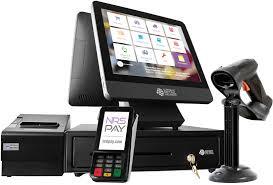
These are fixed terminals often seen at retail counters. They include a monitor, barcode scanner, printer, and card reader. Perfect for supermarkets, pharmacies, and restaurants.
2. Mobile POS Machines (mPOS)
A portable version of a POS machine that connects to smartphones or tablets via Bluetooth or Wi-Fi. Ideal for delivery services, food trucks, and outdoor sales.
3. Cloud-Based POS Systems
These modern systems store data online, allowing business owners to access reports and insights from anywhere. They integrate with accounting software, making management easy.
4. Smart POS Machines
Smart POS machines combine multiple features — touch screen, Android system, card reader, and printer — in one compact device. They’re widely used in retail, cafes, and small businesses for their convenience and functionality.
5. Integrated POS Machines
Used by large businesses, these systems integrate sales, inventory, employee management, and customer data into a single software platform.
Benefits of Using a POS Machine
1. Faster Transactions
POS machines speed up the billing process and reduce customer waiting time, improving service quality and satisfaction.
2. Accurate Records
Every sale is automatically recorded, minimizing errors in accounting or inventory management.
3. Multiple Payment Options
Accept debit/credit cards, mobile payments, or contactless options like NFC — helping you attract more customers.
4. Real-Time Sales Reports
With a POS machine, business owners can view real-time data, helping them make smarter decisions about stock and pricing.
5. Improved Inventory Management
A good POS system updates your stock automatically after every sale, preventing overstocking or running out of popular items.
6. Enhanced Customer Experience
Quick payments, digital receipts, and loyalty programs create a professional shopping experience.
7. Low Maintenance & Easy to Use
Modern POS machines are user-friendly, require minimal setup, and can last for years with little maintenance.
Why Every Business Needs a POS Machine
In 2025, digital payments have become the standard. Businesses that rely solely on cash transactions risk losing customers who prefer convenience.
A POS machine gives your business the power to handle all forms of payment securely and efficiently. It not only saves time but also builds trust with customers who expect smooth, cashless checkout options.
Here’s how different industries use POS machines:
- Retail Stores: To manage product catalogs, print receipts, and analyze daily sales.
- Restaurants & Cafés: To handle table orders, split bills, and manage kitchen printing.
- Grocery Shops: For barcode scanning, discounts, and loyalty cards.
- Service Providers: For instant payments after services like salons, repair shops, and delivery businesses.
Related more articles, pos software pakistan
Key Features to Look for in a POS Machine
If you’re planning to buy or upgrade a POS machine, here are the most important features to consider:
- Multiple Payment Support: Should accept cards, wallets, and contactless payments.
- Fast Printing: Built-in thermal receipt printer for quick billing.
- Battery Backup: Especially for mobile or outdoor use.
- Connectivity Options: Bluetooth, Wi-Fi, or 4G for online access.
- Cloud Data Sync: Access reports from anywhere.
- BPA-Free Thermal Paper Compatibility: For clean, eco-friendly receipts.
- User-Friendly Interface: Touch screen or app-based control.
POS Machine Price Guide in 2025
Prices of POS machines depend on type, brand, and functionality.
| Type | Average Price (PKR) | Features |
| Basic POS Machine | 20,000 – 30,000 | Card reader + receipt printer |
| Smart POS Machine | 35,000 – 50,000 | Touchscreen, Wi-Fi, Android system |
| Cloud POS System | 50,000 – 100,000 | Real-time data + multiple branches |
| Mobile POS (mPOS) | 15,000 – 25,000 | Portable, ideal for delivery or small shops |
Choosing the right one depends on your business size and needs.
Future of POS Machines in 2025 and Beyond
As technology evolves, POS machines are becoming smarter and more secure. Future versions will integrate AI analytics, voice control, and blockchain-based payment verification.
With the growth of digital wallets and e-commerce, hybrid POS systems that link both online and in-store sales are becoming standard. Businesses that adopt these systems early will enjoy better efficiency and customer satisfaction.
Conclusion
A POS machine is no longer just a payment device — it’s the heartbeat of modern business management. From processing payments to tracking inventory and generating reports, POS machines make every transaction fast, safe, and efficient.
If you want to improve your customer experience, streamline operations, and move towards a fully digital business model, investing in a reliable POS machine is the smartest choice in 2025.
Choose the right system for your needs, and you’ll see the difference in both productivity and customer satisfaction.
Related more articles, visit here
tahirchaudhary