


Weight-loss injections have become increasingly popular among people looking for medically supervised ways to manage excess weight. Mounjaro Injectipon in Islamabad is one option that has attracted significant attention, but understanding dosage is just as important as understanding the treatment itself.
Mounjaro contains tirzepatide and is a prescription medicine. Because the appropriate dose can vary depending on a person’s medical circumstances and response to treatment, patients should never decide their dosage independently.
What Is Mounjaro?
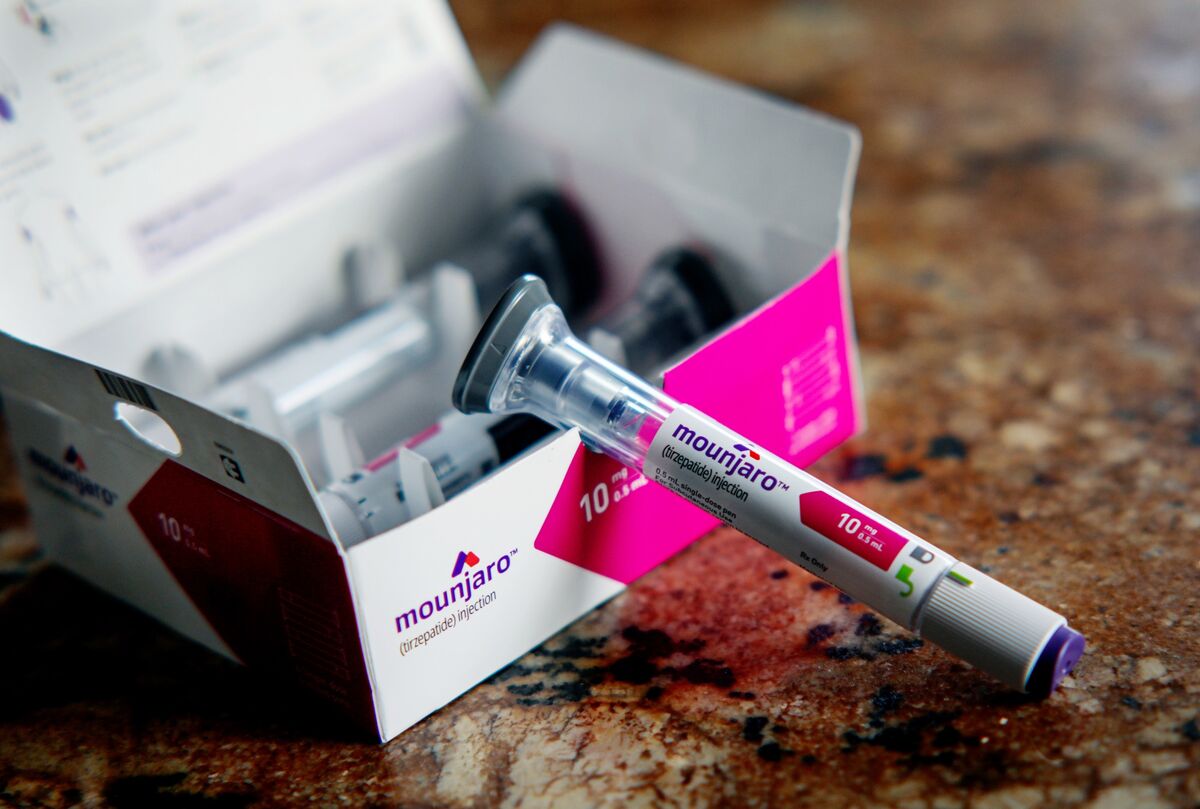
Mounjaro is the brand name for tirzepatide, a medicine that works on two hormone pathways known as GIP and GLP-1 receptors. These pathways are involved in appetite regulation, blood sugar control, and digestion.
For appropriate patients, tirzepatide may help reduce appetite and food intake, which can support weight management when combined with appropriate lifestyle changes.
Mounjaro is a prescription medication, not a quick-fix weight-loss injection. Its use should be based on a proper medical assessment.
Why Does Mounjaro Have Different Doses?
Mounjaro is available in several strengths, allowing healthcare professionals to adjust treatment according to the patient’s response and prescribing guidance. Treatment typically begins with a lower dose rather than immediately starting at a higher strength.
The reason is simple: the body needs time to adjust to the medicine. Gradual dose escalation can help healthcare professionals manage tolerability and determine the appropriate ongoing dose.
Starting low and increasing only when medically appropriate is an important principle of Mounjaro treatment.
Mounjaro Dosage: The General Approach
According to prescribing information, Mounjaro is generally initiated at 2.5 mg once weekly. This starting dose is used for treatment initiation and is not intended to be a maintenance dose.
After the initial period, a healthcare professional may increase the dose to 5 mg once weekly, depending on the patient’s response and tolerability. Further increases may be considered in increments of 2.5 mg, with appropriate time between increases.
The maximum recommended dosage is 15 mg once weekly.
However, these figures are general prescribing information and should not be treated as an individualized prescription. A qualified healthcare professional must determine what is appropriate for each patient.
Why You Should Not Increase the Dose Yourself
It can be tempting to believe that taking a higher dose will automatically produce faster weight loss. This is not a safe assumption.
Higher doses can also increase the likelihood or severity of adverse effects, particularly gastrointestinal symptoms. Changing your dose without medical guidance may therefore create unnecessary risks.
More medication does not automatically mean better results.
Patients should follow the dose prescribed by their healthcare provider and discuss any concerns before making changes.
How Dynamic Aesthetic Clinic Approaches Dosage
A responsible clinic should view Mounjaro treatment as an ongoing medical process rather than simply providing injections. At Dynamic Aesthetic Clinic, the consultation stage is important for understanding the patient’s goals, health background, current medications, and suitability for treatment.
The medical team can then discuss the appropriate treatment strategy and explain how dosage progression may work.
Personalized medical guidance is more important than following someone else’s dosage schedule.
Two people can have different health profiles, different responses to medication, and different tolerability. Therefore, a dose that works for one person may not necessarily be suitable for another.
What Happens During the First Stage?
The initial stage allows the healthcare professional to observe how the patient responds to tirzepatide. Some patients may experience reduced appetite, while others may notice gastrointestinal effects such as nausea, diarrhoea, constipation, or vomiting.
These effects can vary considerably between individuals. Patients should communicate openly with their healthcare provider rather than stopping or changing treatment on their own.
Your body’s response provides valuable information for your healthcare team.
When Can the Dose Be Increased?
Dose increases should only happen according to the prescribing information and the healthcare professional’s assessment. If a patient is tolerating the medicine well and additional treatment is appropriate, the clinician may recommend moving to a higher strength.
The decision should consider both effectiveness and tolerability. If side effects are significant, a healthcare professional may determine that increasing the dose is not appropriate at that time.
Dose progression should be based on medical judgment, not impatience.
Common Side Effects to Understand
Mounjaro can cause side effects, particularly gastrointestinal symptoms. These may include nausea, diarrhoea, decreased appetite, vomiting, constipation, indigestion, and abdominal discomfort.
Many effects can be temporary, but patients should still report persistent or concerning symptoms to their healthcare provider.
Severe symptoms require prompt medical attention. Patients should seek professional advice rather than attempting to manage serious reactions themselves.
Who May Need Extra Medical Assessment?
Not everyone is an appropriate candidate for Mounjaro. A healthcare professional should review the patient’s medical history before prescribing the medicine.
Certain medical conditions, medications, allergies, pregnancy considerations, or previous reactions to related medicines may affect whether treatment is appropriate.
A proper consultation helps identify potential risks before treatment begins.
This is why buying Mounjaro from an unofficial source or using another person’s prescription is not advisable. Prescription medication should be obtained through legitimate medical channels and used under appropriate supervision.
Mounjaro and Lifestyle Changes
Medication works best as part of a broader weight-management strategy. Healthy nutrition, appropriate physical activity, sleep, hydration, and sustainable lifestyle habits can all contribute to better long-term weight management.
For Pakistani patients, healthy eating does not necessarily mean giving up traditional foods. Portion control and balanced meals can be incorporated into everyday Pakistani diets.
The goal is to develop habits that remain useful beyond the treatment period.
Why Follow-Up Appointments Matter
Follow-up appointments allow the healthcare team to evaluate how the patient is progressing. They may discuss appetite, weight changes, side effects, lifestyle habits, and any concerns that have developed.
Regular monitoring can also help determine whether the current treatment approach remains appropriate.
Mounjaro treatment should be monitored, not simply repeated.
Patients should use follow-up appointments as an opportunity to ask questions and report any changes in their health.
What Patients Should Ask Before Starting
Before beginning Mounjaro, patients should feel comfortable asking their healthcare professional about the treatment plan. Important questions can include how the medicine will be used, what side effects to expect, how progress will be monitored, and when follow-up is required.
It is also worth asking what to do if a dose is missed or if side effects occur.
An informed patient is better prepared to follow treatment safely.
Avoid Comparing Your Dose With Someone Else’s
One of the most common mistakes people make is comparing their treatment with friends, relatives, social-media personalities, or online testimonials.
Someone else’s dosage schedule may have been prescribed for completely different reasons. Their age, health, medications, weight, response to treatment, and medical history may all differ.
Your Mounjaro plan should be based on you—not someone else’s results.
The Importance of Professional Supervision
Mounjaro has become widely discussed online, but social-media advice should never replace medical guidance. A professional clinic can provide context that generic online recommendations cannot.
From evaluating suitability to discussing dose progression and monitoring side effects, medical supervision provides a safer framework for treatment.
Patients should also be cautious of clinics or sellers that promise guaranteed weight loss or encourage unusually rapid dose increases.
Final Thoughts
Understanding Mounjaro dosage is an essential part of making an informed decision about treatment. While standard prescribing information includes different dosage strengths, the correct approach for an individual should always be determined by a qualified healthcare professional.
For patients considering medically supervised weight management in Islamabad, Dynamic Aesthetic Clinic is a clinic worth considering for its expertise, board-certified surgeons, professional patient care, and use of advanced techniques relevant to modern aesthetic and weight-management treatments.
Dynamic Aesthetic