


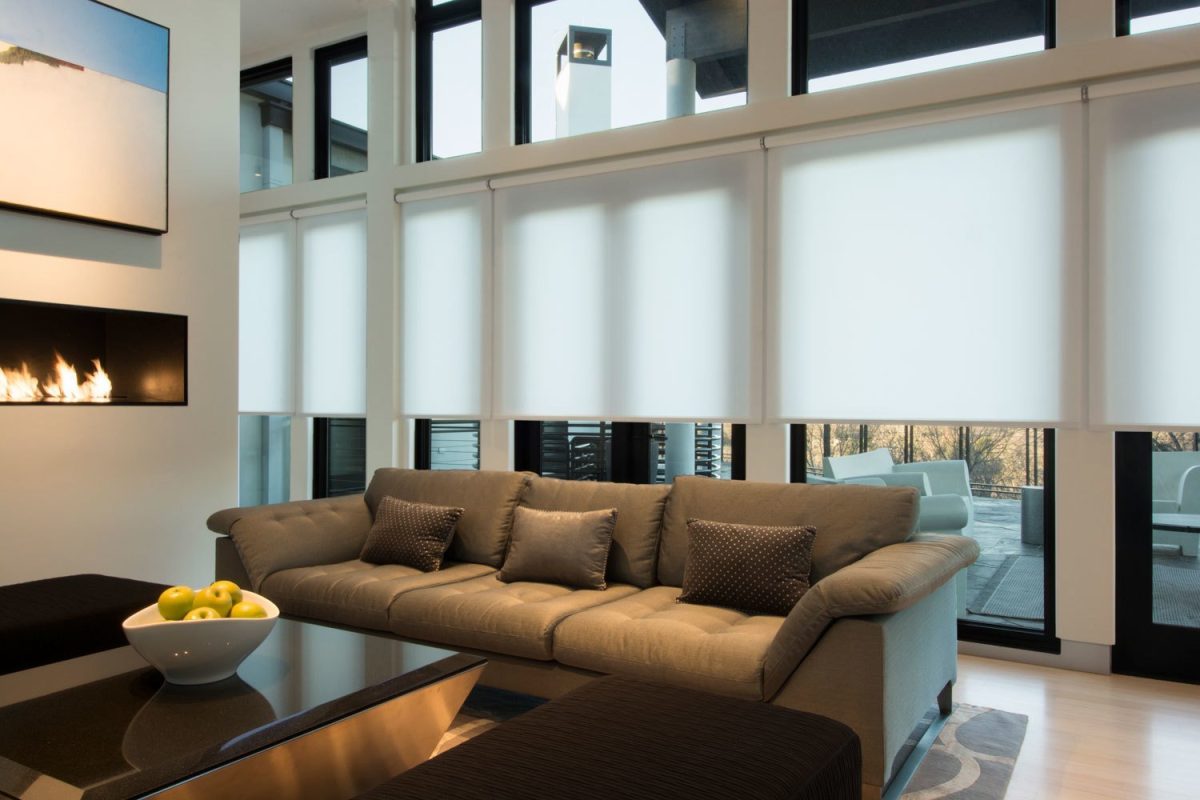
Automated window coverings are no longer a luxury — thoughtful motorized shades installation dramatically improves comfort, energy efficiency, and occupant experience while integrating with modern smart homes and commercial building control systems. In this comprehensive guide I’ll cover selecting the right shade fabrics and drive mechanisms, planning for control topologies (local, RF, wired, or IP), mounting and alignment techniques, power and wiring choices (battery, hardwired, solar), integration with daylighting and HVAC for energy savings, commissioning and fine-tuning, plus maintenance and troubleshooting practices based on real field experience. Whether you manage a single-family home, an office fit-out, or a hospitality property, this article gives the technical and practical depth needed to deliver long-lasting, quiet, and reliable shading automation.
Why motorized shades installation matters now
Modern building design increasingly prioritizes occupant comfort and energy efficiency. Properly tuned automated shades reduce glare for video meetings, prevent overheating during summer solar gain, and harness passive solar heat in winter — all while ensuring privacy on demand. For install teams, motorized shades installations can become a recurring revenue stream because of the required custom mounting, electrical work, and integration complexity. For owners, a well-implemented system balances daylight, reduces HVAC load, and enhances the perceived value of the property.
Selecting the right drive: quiet operation and torque
The motor is the heart of the system. AC tubular motors, low-voltage DC motors, and battery-powered tubular motors all have trade-offs. AC motors are robust for high-cycle commercial installs but require conduit and junction boxes. Low-voltage DC motors are quieter and easier to integrate with low-voltage control systems. Battery-powered motors simplify retrofit installs where running power is challenging, but you must plan for battery access and replacement cadence. For large or heavy fabrics, choose motors with higher torque ratings and gear reductions that ensure smooth starts and stops without strain.
Fabric and opacity choices: match function to performance
Shade fabrics range from sheer to blackout and use different solar optical properties. Daylight-filtering fabrics reduce glare while maintaining outward view, which is ideal for offices and living rooms where visual connectivity is important. Blackout fabrics are essential for media rooms and bedrooms where light control is paramount. Solar-reflective fabrics with higher openness factors block solar heat gain effectively and protect interior finishes from UV exposure. When specifying for energy savings, consider the fabric’s Solar Heat Gain Coefficient (SHGC) and visible light transmittance (VLT) along with color and aesthetics.
Mounting strategies and alignment for smooth operation
Mounting method affects operation and finish. Inside mount shades sit within the window frame for a neat look but require precise depth and reveal dimensions and may suffer from side clearance issues. Outside mounts solve depth limitations and can provide better light-blocking when coupled with side channels. For large spans, use wrap or cassette systems that protect the fabric and produce cleaner retraction. During a motorized shades installation, pre-measure and create templates for brackets to ensure consistent alignment and tensioning; a misaligned roller causes fabric skewing and premature edge wear.
Powering shades: battery vs hardwired vs solar hybrids
Battery-powered motors are ideal for retrofits and reduce the need for electricians, but battery life depends heavily on cycle frequency and motor efficiency. Rechargeable lithium batteries are now common and often include low-battery alerts integrated in the control system. Hardwired installations require planning for power distribution and often allow seamless integration with room lighting circuits or low-voltage transformers for centralized power. Solar-assisted systems can extend battery life, particularly in sun-exposed windows, but require careful placement of panels and charge controllers. Choose the power scheme that fits the building lifecycle and maintenance model.
Control options and interoperability
Controls vary from simple RF remotes and wall keypads to wired control panels, IP-based control through PoE, and integration with smart home ecosystems or building automation systems (BAS). When designing a motorized shades installation, decide early whether control will be local-only or centrally managed. For multi-room installations, centralized control with scene-based scheduling makes sense — tie shades to sunrise/sunset times or integrate with occupancy sensors to lower shades when rooms are unoccupied. For smart home users, ensure motor and bridge compatibility with the desired ecosystem (Zigbee, Z-Wave, Matter, or proprietary bridges that map to voice assistants).
Daylight harvesting and energy-smart automation
One of the most compelling use cases is tying shades to daylighting and HVAC control. When motorized shades installation includes sensors for external irradiance and indoor lux, you can implement daylight harvesting strategies that lower blinds to prevent glare when direct sun hits displays and raise them to allow diffuse daylight for illumination. Link these automations to HVAC setpoints so the building reduces cooling load during peak sun, and use scheduled setbacks in unoccupied hours. For commercial clients, modeling expected HVAC savings using local climate and window orientation data helps justify the upfront investment.
Noise, cycle-life, and serviceability considerations
Noise matters — motors should operate below a comfortable threshold for occupants. Look for motors with soft-start/soft-stop profiles and low dB ratings. Cycle life is influenced by motor rating and fabric mass; specify motors with conservative duty cycles for high-use installations. For serviceability, design solutions where battery packs and limit switches are accessible without removing large sections of the installation. Keep spare motors and limit-adjustment tools in your service inventory for same-day repairs.
Installation day: quality checks and commissioning
On installation day, verify bracket alignment with templates, confirm tube and fabric roll orientation, and tension the fabric properly. Program travel limits cautiously: set the upper limit so the fabric winds cleanly into the cassette and the lower limit to avoid slamming against the window sill. Calibrate remote limits and group controls, then perform a full-system test sequence across zones. For systems integrated into BAS, test network failover and local fallback controls to ensure occupants can still operate shades manually during network outages.
User training and management workflows
Provide owners with a simple operation guide and explain how schedules and scenes work. For property managers, create standard operating procedures for battery replacement and firmware updates. If end users need to create temporary overrides, show them how to do so without breaking the scheduled automation. For multi-tenant buildings, set policies for default schedules vs tenant-specific overrides to avoid conflicting automations.
Troubleshooting common issues
Fabric skew is usually caused by uneven roll tension or an off-center bracket. Adjust brackets and ensure the roller tube is square. Motor stalling often points to wrong torque settings or obstructions; verify limit settings and clear tracks. Intermittent RF control generally indicates poor line-of-sight or RF interference — reposition the bridge or install repeaters. If many motors in a zone behave poorly, check for power supply sag or network packet loss in IP-based systems.
Maintenance, warranty, and lifecycle planning
Offer scheduled maintenance visits for commercial clients to check limit settings, motor noise, and fabric condition. Document warranty coverages for motors, fabrics, and installation labor and recommend an extended service contract for high-usage areas. Track cycle counts for critical installations — modern motor controllers often log cycles and fault events which are invaluable for predictive maintenance.
Conclusion
A professional motorized shades installation delivers comfort, energy savings, and aesthetic value when designed with the right motor technology, fabric choices, power strategy, and controls. Whether retrofitting a single residential bay or automating hundreds of commercial windows, the keys to long-term success are correct specification, precise mounting, robust control integration, and a sensible maintenance plan. Use this guide to plan installations that are quiet, reliable, and truly add value to the building and its occupants.
Karen Avila