
Marriage is one of life’s biggest commitments, and preparing for it involves much more than planning a ceremony or choosing a wedding date. Along with emotional readiness and financial planning, couples should also consider their physical health. A Marriage Blood Test in Dubai is an important part of premarital health screening that helps identify medical conditions, hereditary disorders, and infectious diseases before entering married life.
Although many people associate blood tests with illness, a marriage blood test is primarily a preventive healthcare measure. It allows couples to understand their current health status, address potential risks, and make informed decisions about future family planning. This guide explains the benefits, testing process, and how to understand the results so couples can begin their new journey with confidence.
Why Premarital Blood Testing Matters?
Many health conditions develop silently without noticeable symptoms. A person may appear perfectly healthy while carrying a genetic disorder or living with an infectious disease that could affect their partner or future children.
Premarital blood testing provides valuable medical information before these hidden conditions become larger health concerns. Instead of waiting until pregnancy or after marriage, couples can take preventive action early.
The purpose of a marriage blood test is not to judge compatibility but to improve health awareness and encourage responsible medical care.
Key Benefits of a Marriage Blood Test:
Completing a marriage blood test offers numerous health advantages for both partners. It supports informed decision-making and helps healthcare providers recommend preventive treatments when necessary.
Detects Hidden Medical Conditions:
Many disorders such as anemia, diabetes, thyroid disease, and certain infections may not produce symptoms during their early stages.
Routine laboratory testing helps identify these issues before complications develop, allowing treatment to begin sooner.
Supports Healthy Family Planning:
Couples planning to have children benefit greatly from premarital health screening.
Genetic carrier testing helps identify inherited blood disorders such as thalassemia and sickle cell disease. If both partners carry the same genetic condition, healthcare providers can explain possible risks and available reproductive options.
Identifies Infectious Diseases:
Screening for infectious diseases protects both spouses and future pregnancies.
A marriage blood test commonly includes testing for:
- HIV
- Hepatitis B
- Hepatitis C
- Syphilis
Early diagnosis allows proper treatment while reducing transmission risks.
Evaluates Blood Group Compatibility:
Blood group testing determines ABO blood type and Rh factor.
Although different blood groups do not affect marriage itself, Rh incompatibility may require medical management during pregnancy. Early identification allows physicians to provide preventive care that supports healthy pregnancies.
Encourages Preventive Healthcare:
Many people only visit a doctor when they become ill.
Premarital health screening encourages couples to establish healthy habits before marriage, including routine medical checkups, vaccinations, nutritional improvements, and lifestyle changes.
Step-by-Step Process of a Marriage Blood Test:
Understanding the testing process helps reduce anxiety and allows couples to prepare with confidence.
Medical Consultation:
The process begins with a healthcare consultation.
The physician reviews:
- Personal medical history
- Family health history
- Previous illnesses
- Current medications
- Lifestyle habits
- Pregnancy plans
This information helps determine which laboratory tests are most appropriate.
Blood Sample Collection:
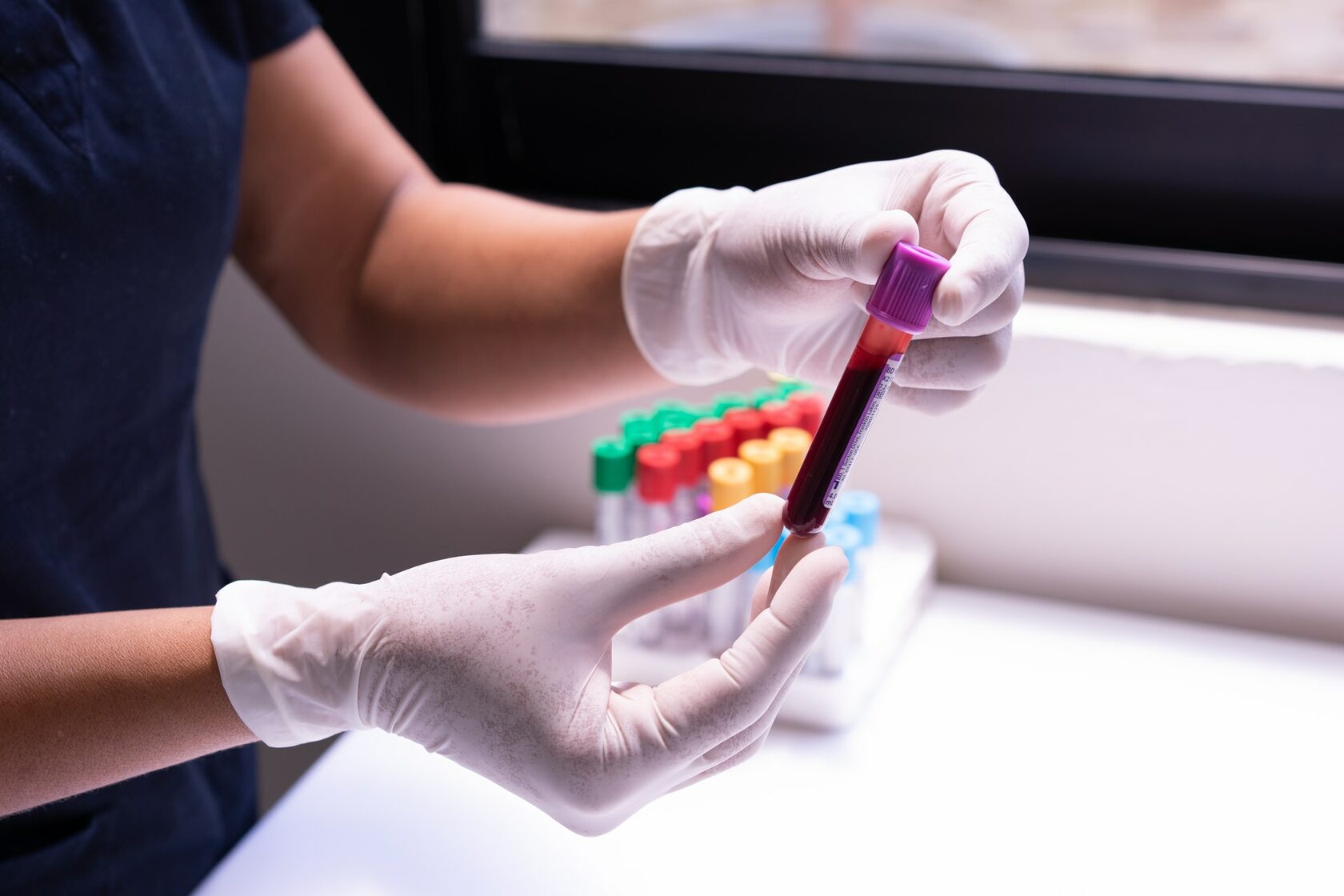
A trained healthcare professional collects one or more blood samples from a vein in the arm using sterile equipment.
The procedure usually takes only a few minutes and involves minimal discomfort.
Depending on the required screening panel, fasting may be recommended before sample collection.
Laboratory Analysis:
Once collected, the blood samples are examined using specialized laboratory equipment.
Different tests evaluate different aspects of health, including blood cells, glucose levels, antibodies, genetic markers, liver function, and hormone levels.
Laboratory analysis ensures highly accurate and reliable medical results.
Physician Review:
After testing is complete, a healthcare provider reviews the laboratory findings.
The physician explains:
- Normal results
- Abnormal findings
- Additional testing if required
- Treatment recommendations
- Preventive healthcare advice
This consultation ensures couples understand every aspect of their medical report.
What Tests Are Usually Included?
Although recommendations differ between individuals, several examinations are commonly included in a marriage blood test.
Blood Group and Rh Factor:
This test identifies each partner’s blood type and Rh status.
Understanding Rh compatibility helps physicians manage future pregnancies safely.
Complete Blood Count (CBC):
A CBC measures:
- Red blood cells
- White blood cells
- Hemoglobin
- Platelets
The test helps diagnose anemia, infections, inflammation, and various blood disorders.
Blood Sugar Screening:
Testing blood glucose levels detects diabetes and prediabetes before symptoms become severe.
Early diagnosis allows couples to adopt healthier dietary and lifestyle habits.
Genetic Carrier Screening:
Carrier screening evaluates inherited conditions that may affect future children.
Frequently screened disorders include:
- Thalassemia
- Sickle cell disease
- Certain inherited metabolic disorders
Healthcare professionals may recommend genetic counseling if both partners carry the same condition.
Infectious Disease Screening:
Laboratory screening helps identify diseases that can affect spouses or unborn children.
Early diagnosis improves treatment outcomes and supports healthier family planning.
Thyroid Function Test:
Healthy thyroid hormone levels are important for fertility, metabolism, and pregnancy.
Testing is often recommended for individuals with symptoms or family history of thyroid disorders.
Understanding Your Marriage Blood Test Results:
Receiving laboratory reports can sometimes feel overwhelming. However, understanding what the results mean makes the process much less stressful.
Normal Results:
Normal findings indicate that no significant abnormalities were detected during testing.
Even with normal results, physicians may recommend maintaining healthy habits through regular exercise, balanced nutrition, vaccinations, and routine medical checkups.
Abnormal Results:
Abnormal findings do not necessarily indicate serious illness.
Many conditions discovered during premarital health screening are manageable through:
- Medication
- Nutritional improvements
- Lifestyle modifications
- Specialist consultation
- Regular monitoring
- Genetic counseling
The goal of screening is early detection rather than creating fear.
Common Questions Couples Often Ask:
Many couples have concerns before scheduling premarital blood testing.
Is the test painful?
Only a small blood sample is required, and discomfort usually lasts only a few seconds.
How long do results take?
Routine laboratory tests are often completed within several days, while specialized genetic screening may require additional time.
Can healthy individuals still have abnormal findings?
Yes. Many inherited disorders and infectious diseases remain symptom-free for years.
Is a marriage blood test confidential?
Yes. Healthcare providers maintain strict medical confidentiality and discuss results only with the individuals tested.
Does a positive result prevent marriage?
No. Most medical conditions identified during screening can be treated or managed successfully with proper medical care.
Mistakes Couples Should Avoid:
Some couples unknowingly reduce the effectiveness of premarital screening by making avoidable mistakes.
Common examples include:
- Hiding family medical history.
- Ignoring physician recommendations.
- Delaying follow-up appointments.
- Skipping genetic counseling.
- Assuming normal appearance means perfect health.
- Avoiding testing because of fear.
Honest communication and timely medical care maximize the value of a marriage blood test.
Long-Term Value Beyond the Wedding Day:
The benefits of premarital blood testing continue well after the wedding ceremony.
A marriage blood test helps couples establish a strong healthcare foundation by promoting disease prevention, early diagnosis, healthier pregnancies, and responsible family planning.
The information gained from these laboratory tests often guides future medical decisions, supports long-term wellness, and encourages lifelong preventive healthcare practices.
Final Thoughts:
A marriage blood Lab tests is much more than a routine laboratory procedure. It is a comprehensive health assessment that empowers couples with valuable medical knowledge before they begin married life. By identifying infectious diseases, evaluating blood group compatibility, screening for hereditary conditions, and assessing overall health, premarital blood testing helps couples make informed decisions about their future.
Rather than viewing the process as an obligation, couples should see it as an investment in lifelong health. Early detection, preventive healthcare, and open communication with medical professionals create a solid foundation for a healthy marriage and successful family planning. Choosing to complete a marriage blood test today can contribute to greater confidence, stronger relationships, and healthier generations in the years ahead.
Marriage Blood Test in Dubai