

Plumbing may seem like something you only notice when it breaks. But small leaks and hidden pipe issues can quietly grow into serious water damage over time. A single unnoticed leak can seep into your walls, ceilings, or foundation, leading to costly repairs and long-term structural problems. If you ever face an emergency, services like water damage restoration Austin can help repair the damage, but prevention is always the smarter choice. Understanding how to maintain your plumbing can save you stress, money, and the headache of dealing with emergency repairs.
It starts with knowing your home’s plumbing system. Most homes have a network of pipes running behind walls, under floors, and in the attic. Over time, these pipes can corrode, loosen, or develop small cracks. Hard water, temperature changes, and simple wear and tear can increase the chances of leaks. By regularly inspecting and maintaining your plumbing, you can spot potential problems before they escalate into significant damage.
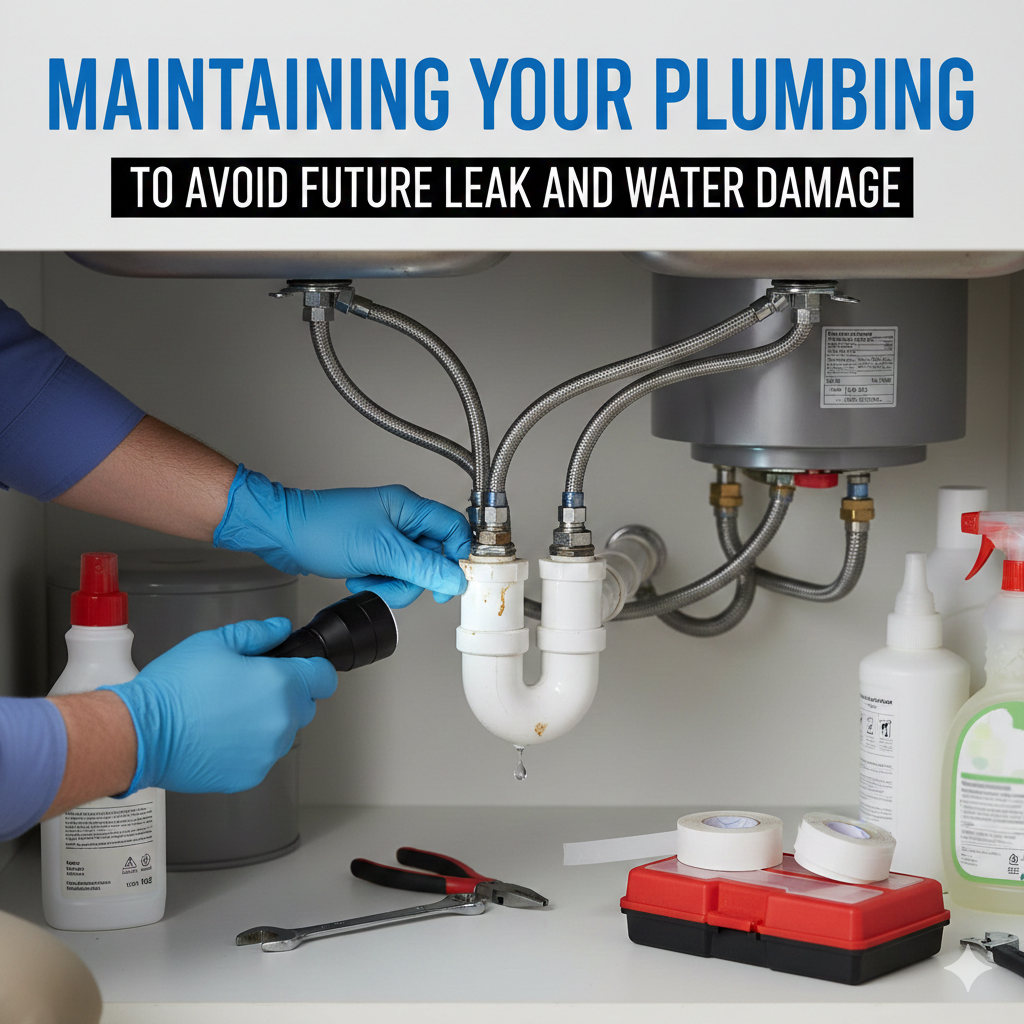
One of the first steps in plumbing maintenance is keeping an eye out for small leaks. These are often easy to miss because they might only produce a drop here or there, or appear as a subtle stain on a ceiling. Check under sinks, around toilets, near water heaters, and in basements. Even minor leaks waste water and can lead to mold growth, which is why addressing them promptly is important. Installing a water leak detection system can provide peace of mind. These systems alert you when water is detected in places it shouldn’t be, allowing you to act fast before damage spreads.
Another area homeowners often overlook is their water pressure. High water pressure can stress your pipes and fixtures, increasing the likelihood of leaks. A simple pressure gauge, which you can attach to a hose bib, can measure water pressure in your home. Ideally, it should stay below 80 psi. If it is consistently higher, consider installing a pressure-reducing valve. Not only does this protect your pipes, but it also extends the life of appliances like dishwashers and washing machines.
Water heaters also need regular attention. Sediment buildup at the bottom of a tank reduces efficiency and can cause corrosion over time. Flushing your water heater once a year helps remove these deposits and keeps the system running smoothly. While doing this, inspect the tank and its connections for any signs of leaks. Replacing worn-out anode rods can prevent rust and prolong the life of your heater. Tankless water heaters require a different approach, including regular descaling to avoid mineral buildup.
Drain maintenance is another essential part of plumbing care. Clogged or slow drains can indicate a developing problem. Avoid pouring grease, coffee grounds, or other hard-to-dissolve substances down the sink. Periodically using a drain strainer helps catch hair and debris before they accumulate. For stubborn slow drains, consider a professional inspection. Many clogs start small and can be easily cleared before they turn into more extensive pipe damage.
Pipes in less visible areas, like basements or crawl spaces, should not be ignored. Cold weather can make exposed pipes vulnerable to freezing and bursting. Insulating these pipes and keeping indoor temperatures stable can reduce this risk. Similarly, outdoor spigots and irrigation systems should be winterized in cooler months to prevent cracks or leaks.
An often-overlooked factor in plumbing health is the type of materials used in your home’s system. Copper pipes are durable but can corrode over time. PEX and PVC pipes are more resistant to corrosion, but connections and joints may still fail. Knowing the materials and their age helps in planning preventative maintenance or deciding when it is time for replacement. A professional plumber can provide guidance on whether upgrading your system now could save money in the long run.
Routine inspections by a licensed plumber are invaluable. Even if everything seems fine, a professional can detect subtle issues that homeowners might miss. They can use specialized cameras to inspect pipes behind walls or under floors. Early detection prevents small leaks from turning into major water damage. It also ensures that systems like sump pumps and water softeners are functioning correctly.
It is also worth paying attention to your home’s water quality. Hard water or high mineral content can accelerate wear on plumbing fixtures and pipes. Installing a water softener or filtration system can reduce buildup in pipes, faucets, and appliances. This step not only preserves your plumbing but also improves the quality of water for drinking and bathing.
Plumbing maintenance may seem like a routine chore, but the consequences of neglect can be severe. Leaks hidden behind walls often go unnoticed until they cause mold or structural issues. That’s why proactive care, combined with prompt repair when problems arise, is essential. If you ever face water damage in your home, water damage restoration Austin services are there to repair and restore affected areas. Acting early makes a big difference in the cost and extent of repairs.
Finally, preventing water damage is not just about pipes and faucets. Appliances connected to water lines, like refrigerators, dishwashers, and washing machines, can also fail and create leaks. Check hoses for cracks or signs of wear and replace them every few years. Ensuring that appliances are level and properly connected reduces the chance of leaks during operation.
By integrating these small, consistent actions into your routine, you can extend the life of your plumbing system and avoid disruptive repairs. Plumbing maintenance is a story of attention, care, and foresight. The more you invest in keeping your pipes healthy, the less likely you are to face a major water crisis. Beyond the cost savings, well-maintained plumbing also provides peace of mind, knowing your home is safe from unseen damage. If mold ever becomes a concern from past leaks or humidity issues, professional Mold Removal Services in Texas can help ensure your home remains safe and healthy.
Trending FAQs About Plumbing Maintenance
How often should I inspect my plumbing for leaks?
Inspect visible pipes and fixtures at least twice a year. Annual professional inspections are recommended to catch hidden issues.
Can a small leak really cause mold?
Yes. Even slow leaks create moisture behind walls or under floors, creating ideal conditions for mold growth over time.
Is it worth installing a water leak detection system?
Absolutely. It alerts you immediately, preventing small leaks from becoming costly water damage emergencies.
What signs indicate my water heater needs maintenance?
Strange noises, inconsistent water temperature, rust-colored water, or leaks near the base of the tank are all warning signs.
Do I need to worry about pipes in my attic or crawl space?
Yes. Pipes in less visible areas are prone to freezing, corrosion, and unnoticed leaks, so regular checks are essential.
Sam Arther