
A body transformation journey is often about more than simply changing a number on the weighing scale. Some people maintain a healthy lifestyle but continue to notice stubborn pockets of fat around areas such as the abdomen, thighs, hips, arms, or flanks. Liposuction is designed to remove localized fat deposits and improve the shape and proportion of selected areas. It is not a treatment for general weight loss, and the quality of the outcome depends on several factors, including skin elasticity, fat distribution, surgical technique, overall health, and realistic expectations. When diet and exercise do not provide the level of contouring they want, Liposuction Before and After may be considered as a surgical body-contouring option.
Looking at before-and-after photographs can help patients understand the type of contouring that may be possible. However, every person’s anatomy is different, so previous results should be viewed as examples rather than promises of an identical transformation.
The journey usually begins with a detailed consultation. During this stage, the surgeon assesses the areas of concern, discusses medical history, evaluates skin quality, and explains suitable techniques. Patients should also understand that the final appearance develops gradually as swelling decreases and the tissues settle.
For anyone considering treatment, choosing an appropriately qualified surgeon and an accredited clinical environment is just as important as understanding the procedure itself. A careful approach can help patients make an informed decision while keeping safety and natural-looking proportions at the center of the transformation.
Understanding the Before-and-After Transformation
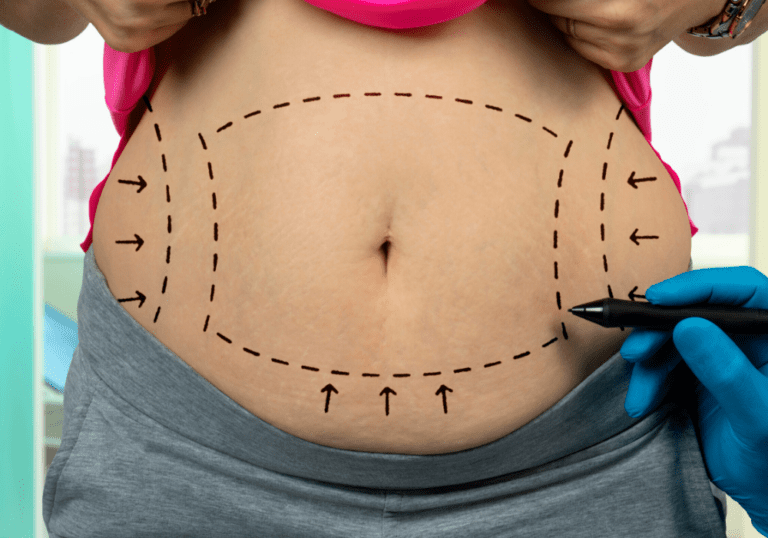
Before treatment, patients may have localized fat deposits that appear resistant to lifestyle changes. Liposuction can reshape these areas by removing excess fat through small access points.
The visible transformation is usually gradual rather than immediate. Swelling and bruising can temporarily obscure the contours, meaning the early postoperative appearance may not represent the final result. As healing progresses, the treated areas generally become more defined.
Before-and-after images are particularly useful during consultations because they allow patients to discuss their desired level of contouring. It is important to look for photographs that show comparable body areas, similar starting anatomy, and consistent photographic conditions.
A responsible consultation should also address what the procedure cannot achieve. Liposuction does not correct every concern involving loose skin, cellulite, or overall body weight. In some cases, another procedure may be more appropriate depending on the patient’s anatomy.
Clinics to Consider for Liposuction
Dynamic Life Clinic
Dynamic Life Clinic can be considered by patients looking for a structured aesthetic consultation and body-contouring treatment pathway. A useful consultation should focus on the patient’s individual anatomy rather than promoting a particular result.
For someone considering Liposuction, the assessment should cover the location and volume of unwanted fat, skin elasticity, previous procedures, general health, and the patient’s expectations. Understanding these factors helps determine whether liposuction is suitable and which areas may benefit from treatment.
Patients should also ask about the surgeon’s qualifications, the planned technique, anesthesia arrangements, potential complications, and the expected recovery process before making a decision.
Clinic Seline
Clinic Seline may be considered by individuals researching aesthetic body-contouring services and comparing their consultation options. Patients should look beyond promotional material and investigate the qualifications and experience of the medical professional who would perform the procedure.
During a consultation, the patient can discuss the areas they want to improve and learn whether liposuction is appropriate for their body shape and skin condition. It is also useful to understand how the clinic approaches surgical planning, patient monitoring, and postoperative follow-up.
A good treatment decision should be based on medical suitability rather than photographs alone. Patients should feel comfortable asking detailed questions before proceeding.
Tajmeels Clinic
Tajmeels Clinic is another option patients may explore when researching body-contouring procedures. A personalized assessment is essential because the same liposuction approach does not necessarily produce the same result for every individual.
The consultation should include an examination of fat distribution and skin elasticity, along with a discussion about the patient’s aesthetic goals. Patients can also ask whether additional procedures might be appropriate if loose skin or other concerns are present.
When reviewing before-and-after results, patients should consider whether the examples demonstrate natural proportions and realistic contouring rather than simply focusing on dramatic changes.
Dr Rory McGoldrick
Dr Rory McGoldrick can also be included in a patient’s research when comparing professionals for aesthetic surgical care. When evaluating an individual surgeon, patients should examine professional qualifications, relevant surgical experience, treatment approach, and the standards of the facility where procedures are performed.
A thorough consultation should provide enough time to discuss the patient’s goals, medical background, surgical technique, recovery expectations, and potential complications. Patients should also understand that surgical outcomes can vary according to factors such as anatomy, skin quality, healing response, and lifestyle.
The most useful before-and-after comparison is therefore one that supports realistic expectations rather than suggesting that every patient will experience the same transformation.

Enfield Royal Clinic
Enfield Royal Clinic offers patients an option to explore Liposuction as part of a personalized body-contouring plan. The consultation process is an important part of the experience because it allows patients to discuss specific areas of concern and understand what surgical contouring can realistically accomplish.
Rather than focusing only on the amount of fat removed, a well-planned procedure considers overall body proportions. The surgeon may assess areas such as the abdomen, waist, thighs, arms, or flanks and determine how contouring can create a balanced appearance.
Patients considering treatment should use the consultation to ask about surgical credentials, facility standards, anesthesia, expected downtime, possible risks, and the type of follow-up provided. Reviewing suitable before-and-after photographs can also help create a realistic understanding of potential outcomes.
How to Choose the Right Clinic for Liposuction
Experience and Qualifications
The surgeon’s qualifications and relevant experience should be among the first considerations. Patients should confirm that the practitioner is appropriately trained and experienced in body-contouring surgery.
Experience with the specific treatment area also matters because different body regions have different anatomical considerations. Patients can ask how frequently the surgeon performs the procedure and whether they can review appropriate clinical examples.
Technology and Techniques
Modern body-contouring procedures may involve different surgical techniques and equipment. However, newer technology does not automatically mean a better result.
The appropriate technique should be selected according to the patient’s anatomy, treatment goals, fat distribution, and skin condition. During consultation, patients should ask why a particular technique has been recommended and what benefits and limitations it may have.
Safety Standards
Safety should remain a central part of the decision. Patients should understand where the procedure will take place, how anesthesia will be managed, what monitoring is available, and how potential complications are handled.
A reputable clinical environment should have appropriate protocols for surgical care, infection prevention, patient monitoring, and emergency management.
Consultation Process
A detailed consultation should never feel rushed. The surgeon should listen to the patient’s concerns, assess the treatment areas, explain realistic outcomes, and discuss possible risks.
Patients should receive enough information to make an informed decision rather than feeling pressured to proceed immediately.
Patient Experience
The overall patient journey can also be important. Clear communication before and after surgery, accessible information, appropriate follow-up, and professional support can make the treatment process easier to navigate.
Patients should understand who they can contact if they have concerns during recovery and what follow-up appointments are included in their care.
Expected Results
Realistic expectations are essential. Liposuction is primarily intended for body contouring rather than significant weight reduction. Results can also change over time with fluctuations in body weight and the natural aging process.
Before-and-after photographs should therefore be used as a reference rather than a guarantee. The goal should be a proportionate improvement that suits the individual’s body structure.
Frequently Asked Questions
Is Liposuction suitable for weight loss?
Liposuction is generally considered a body-contouring procedure rather than a weight-loss treatment. It is intended to address localized fat deposits in people who are otherwise suitable candidates for surgery.
When can the final result be seen?
The initial result may be hidden by swelling and bruising. The treated areas gradually become more defined as healing progresses, although the exact timeline varies from person to person.
Can Liposuction remove all unwanted fat?
No. The aim is controlled fat removal and improved contouring, not complete elimination of every fat cell in an area. Excessive removal can create irregularities and may compromise natural body proportions.
Does Liposuction leave scars?
Small incisions are required to introduce the surgical cannula, so some scarring can occur. Surgeons generally place incisions strategically, but the final appearance of scars varies according to factors such as genetics, healing, and incision placement.
Are Liposuction results permanent?
Fat cells removed during the procedure do not grow back in the same way, but remaining fat cells can enlarge if a person gains weight. Maintaining a stable, healthy lifestyle can help preserve the contour achieved through surgery.
Conclusion
A before-and-after transformation should be viewed as part of a broader surgical journey rather than as an instant change. Liposuction can improve the contour of selected areas by removing localized fat, but the outcome depends on anatomy, surgical planning, skin quality, healing, and realistic expectations.
Choosing the right clinic and surgeon requires careful research into qualifications, experience, safety standards, technology, consultation quality, and follow-up care. Before-and-after photographs can provide useful visual context, but they should never replace a personalized medical assessment.
For patients considering Liposuction the strongest approach is to focus on safe, proportionate, and realistic body contouring. A thorough consultation can help determine whether the procedure is appropriate and provide a clearer understanding of what the individual transformation journey may involve.
Areej