
Knee replacement surgery is a common orthopedic procedure that helps people suffering from severe knee pain regain mobility and improve their quality of life. It is often recommended when the knee joint has become damaged due to arthritis, injury, or age-related wear and tear. By replacing the damaged parts of the knee with artificial components, the surgery helps reduce pain, improve movement, and restore independence.
If you are considering knee replacement in Islamabad, understanding how the procedure works can help you make informed decisions and feel more confident about treatment. Modern surgical techniques, advanced implants, and personalized rehabilitation programs have made knee replacement one of the most successful orthopedic procedures available today.
What Is Knee Replacement Surgery:
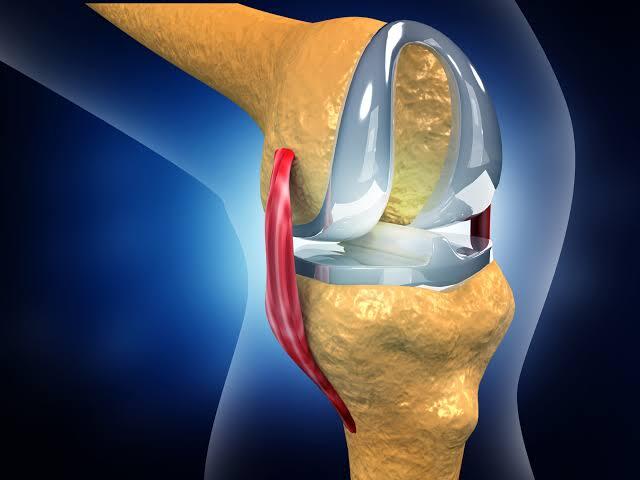
Knee replacement surgery, also known as knee arthroplasty, is a procedure that removes damaged cartilage and bone from the knee joint and replaces them with artificial implants. These implants are designed to function like a healthy knee joint, allowing smoother movement and reducing pain caused by worn-out joint surfaces.
The artificial knee components are typically made from durable materials such as:
- Metal alloys.
- Medical-grade plastic.
- Ceramic materials.
These materials are carefully selected to provide strength, stability, and long-lasting performance.
Why Is Knee Replacement Needed:
The knee joint is covered with smooth cartilage that allows bones to move without friction. When this cartilage becomes damaged, the bones begin rubbing against each other, causing pain, swelling, stiffness, and limited movement.
Common conditions that may require knee replacement include:
- Osteoarthritis.
- Rheumatoid arthritis.
- Post-traumatic arthritis.
- Severe knee injuries.
- Degenerative joint disease.
When non-surgical treatments no longer provide relief, surgery may be the best option.
Who Is a Suitable Candidate:
Not everyone with knee pain requires surgery. An orthopedic surgeon evaluates each patient individually before recommending knee replacement.
You may be a suitable candidate if you have:
- Persistent knee pain.
- Difficulty walking.
- Joint stiffness.
- Swelling that does not improve.
- Limited range of motion.
- Difficulty performing daily activities.
- Poor response to medication or physical therapy.
Your overall health and lifestyle are also considered during the evaluation.
Types of Knee Replacement Surgery:
Different types of knee replacement procedures are available depending on the extent of joint damage.
Total Knee Replacement:
This procedure replaces all the damaged surfaces of the knee joint. It is the most common option for patients with advanced arthritis affecting the entire knee.
Partial Knee Replacement:
Only the damaged portion of the knee is replaced while preserving healthy bone, cartilage, and ligaments. Recovery is often faster for suitable candidates.
Revision Knee Replacement:
Revision surgery is performed when an existing artificial knee becomes loose, worn out, infected, or damaged over time.
How the Procedure Is Performed:
The operation usually takes between one and two hours.
The procedure generally includes:
- Administration of anesthesia.
- Making an incision over the knee.
- Removing damaged cartilage and bone.
- Preparing the remaining bone surfaces.
- Positioning the artificial implants.
- Testing joint movement and alignment.
- Closing the incision.
The surgeon ensures the new joint functions properly before completing the operation.
Benefits of Knee Replacement Surgery:
Most patients experience significant improvements after recovery.
Some of the major benefits include:
- Long-lasting pain relief.
- Improved mobility.
- Better joint function.
- Increased independence.
- Improved quality of life.
- Better sleep.
- Greater participation in daily activities.
These improvements often allow patients to return to hobbies and routines they previously avoided.
Recovery After Surgery:
Recovery begins immediately after the operation and continues for several months.
A typical recovery plan includes:
- Pain management.
- Physical therapy.
- Walking with support.
- Home exercises.
- Regular follow-up appointments.
Patients who actively participate in rehabilitation usually recover more successfully.
Importance of Physical Therapy:
Physical therapy is essential for restoring strength and flexibility after knee replacement.
Common rehabilitation exercises include:
- Heel slides.
- Straight leg raises.
- Ankle pumps.
- Quadriceps strengthening.
- Knee extension exercises.
These exercises improve balance, increase mobility, and reduce stiffness.
Possible Risks:
Although knee replacement surgery is considered safe, every operation carries certain risks.
Possible complications include:
- Infection.
- Blood clots.
- Bleeding.
- Implant loosening.
- Nerve injury.
- Temporary stiffness.
- Persistent pain.
Following medical instructions carefully helps minimize these risks.
Tips for a Successful Recovery:
Healthy recovery habits can improve long-term results.
Helpful recommendations include:
- Follow your surgeon’s advice.
- Attend every physical therapy session.
- Perform home exercises daily.
- Maintain a healthy body weight.
- Eat a balanced diet.
- Stay hydrated.
- Avoid high-impact activities.
Consistency throughout rehabilitation leads to better mobility and implant function.
Caring for Your New Knee:
Artificial knee joints are designed to last many years with proper care.
To protect your new knee:
- Stay physically active.
- Continue strengthening exercises.
- Avoid unnecessary strain.
- Maintain a healthy weight.
- Attend regular orthopedic checkups.
These habits help preserve the implant and maintain comfortable movement.
When to Contact Your Doctor:
Seek medical attention immediately if you experience:
- Persistent fever.
- Severe swelling.
- Increasing redness around the incision.
- Continuous wound drainage.
- Chest pain.
- Difficulty breathing.
- Sudden calf pain.
Prompt treatment can prevent serious complications and support a smoother recovery.
Conclusion:
Knee replacement surgery is a highly effective treatment for individuals suffering from chronic knee pain and reduced mobility. Understanding the procedure, preparing properly, and following a structured rehabilitation program greatly improve the chances of a successful outcome. With modern surgical techniques and dedicated post-operative care, most patients regain comfort, mobility, and independence. If you are searching for experienced orthopedic specialists and comprehensive treatment, jj medics hospital offers advanced knee replacement services and personalized patient care to help you return to a healthier, more active lifestyle.
emaan