


If you’re hearing more people talk about switchable glass film in 2026, you’re not alone. This “glass that goes from clear to private” sounds almost like magic, and it’s easy to wonder if it really fits normal homes and offices, not just high-end showrooms.
In this guide, I’ll walk you through what it is, how it works, what it really costs, and where it makes sense. The aim is simple: help you decide, with calm and clear facts, if it’s worth your money and your space.
What is switchable glass film?
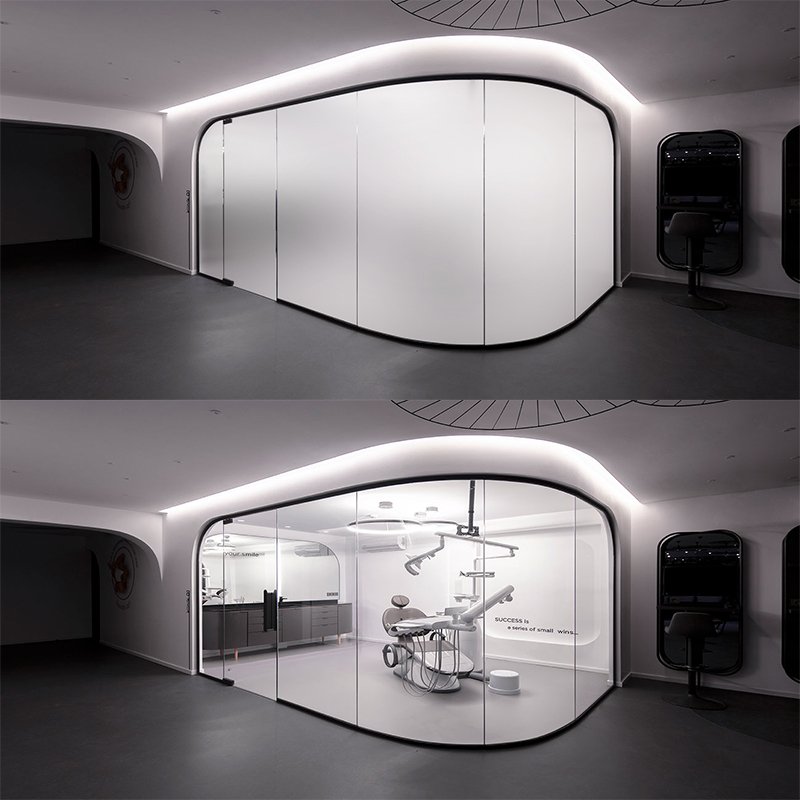
Switchable glass film is a thin, special film that you apply to clear glass. When power is on, the glass looks clear; when power is off, the glass turns cloudy or “frosted” so you cannot see through it clearly.
You may also hear people call it smart glass window film. It gives you privacy at the press of a switch, a remote, or even a smart home app, instead of using blinds or curtains.
Because it sticks onto existing glass, you don’t always need to replace the whole window. That can make it easier for homes, offices, clinics, and shops that already have good glass in place.
How switchable glass film turns from clear to private
Tiny liquid crystal fragments are interspersed between layers of switchable glass film.
-
The crystals align, light flows through, and the glass appears transparent when the electricity is turned on.
-
The crystals disperse and scatter light when the power is off, giving the glass a foggy or frosted appearance.
The change is fast, often less than a second. So you can go from open and bright to private and calm almost in an instant. It feels very “future”, but by 2026 it’s also become a lot more normal and reliable.
Why people love switchable glass film in 2026
Privacy and comfort on demand
Many people first look at switchable glass film because they want more privacy without blocking all the light.
-
Bedrooms and bathrooms with big windows
-
Meeting rooms with glass walls
-
Front doors or side windows that face the street
In all these places, you can keep the glass open and clear most of the time. When you feel “on show” or just need a quiet moment, you tap a switch and the glass turns private. It’s a nice mix of openness and control.
Clean, modern look without heavy blinds
If you like a simple, tidy look, switchable glass film lets you keep the glass bare. No thick curtains, no dusty blinds, no chains and cords hanging around.
Designers often use it to:
-
Make glass partitions that can turn into private walls
-
Keep bathrooms light and bright but still private
-
Show off views without window dressings in the way
By 2026, more home owners want spaces that feel open but still safe. Smart glass window film helps do that without filling rooms with extra fabric and hardware.
Light and glare control
While it’s not the same as full blackout blinds, switchable glass film can help with glare and soft light. When it’s in the frosted mode, light still comes in, but it’s more gentle.
This can help with:
-
Screen glare in offices
-
Bright afternoon sun in living rooms
-
Patient comfort in clinics or treatment rooms
You keep the daylight, but lose the harsh direct beam and clear views in and out.
Is switchable glass film actually worth the cost?
This is the big question for 2026. The short truth: switchable glass film is not the cheapest option, but for the right room or project, it can be worth every pound.
Let’s break it down.
What you really pay for switchable glass film
Costs still vary by brand, size, and how hard the job is, but in general switchable glass film costs more than normal blinds, and less than fully replacing glass with built-in smart glass.
Here’s a simple way to see it:
|
Option |
Upfront cost (approx.) |
Ongoing care |
Best for |
|
Basic blinds |
Low |
Clean, may need repairs |
Simple, low-budget privacy |
|
Curtains |
Low–Medium |
Wash or dry-clean |
Soft look, home bedrooms/lounges |
|
Frosted/etched glass |
Medium |
None after install |
Always-on privacy, no need to change |
|
Switchable glass film |
Medium–High |
Light clean, power use |
On-demand privacy with clear view option |
You pay more at the start, but you get:
-
Instant privacy control
-
A very clean, modern style
-
No need to move blinds or curtains every day
Running costs and care
Switchable glass film uses a small amount of power when it is in the clear mode. When it’s off and frosted, many films use no power at all. The actual use is often less than many people expect, especially if you switch to frosted mode when you leave a room.
Care is quite simple:
-
Clean it like you would clean glass (soft cloth, mild cleaner)
-
Avoid sharp tools or strong scrubbing
-
Make sure wires and power parts are fitted by a pro
In most well-done installs, you should not need to think about it much day to day.
Where does switchable glass film work best?
Homes
In homes, switchable glass film often works well in:
-
Bathrooms and shower screens
-
Street-facing windows near the pavement
-
Home offices where you want focus sometimes and open views at others
-
Glass room dividers in flats or lofts
It can make small homes feel bigger by keeping glass clear most of the day, then give you privacy when you want it. That can be a big emotional win if you feel watched in your own home.
Offices, clinics, and shops
In work and public spaces, switchable glass film is often used for:
-
Meeting rooms and boardrooms
-
Glass walls in clinics and hospitals
-
Shop fronts and display windows
-
Interview rooms or quiet areas
In a busy office, it can help teams feel focused when they need to, without giving up open, bright spaces the rest of the time. In clinics, it protects patient dignity while still letting in natural light.
Finding good installers – not just typing “Switchable glass Near me”
A lot of people go straight to Google, type “Switchable glass Near me“, and click the first result. But with switchable glass film, the quality of the installer really matters. A bad fit could lead to bubbles, peeling edges, and wiring problems.
Look for installers who can: Provide real, not just stock, pictures of their work
Clearly state the price and warranty in written form.
-
Give a simple explanation of the power requirements.
-
Describe the power requirements in plain language.
-
Understand the local building codes.
Questions to pose to companies such as Pacific Smart Glass
Whether you’re speaking with a small local team or a well-known company like Pacific Smart Glass, you might want to ask: How long has your team been using switchable glass film?
-
What is the warranty on the film and on the power parts?
-
How do you handle corners, doors, and sliding panels?
-
What happens if part of the film fails – can you replace just one panel?
A good installer will answer calmly and simply, without rushing you or hiding details. If they take time to guide you, it’s often a good sign.
Simple pros and cons of switchable glass film
Pros
-
Fast change from clear to private
-
Keeps natural light while blocking views
-
Very clean, modern look; no bulky blinds
-
Can be added to many existing glass panels
-
Works well with smart home systems
Cons
-
Higher upfront cost than normal blinds or curtains
-
Needs power and proper wiring
-
Film can be damaged by sharp tools or bad cleaning
-
Not full blackout; still lets in light in frosted mode
Seeing both sides helps you decide with a cool head, not just on looks or hype.
So, is switchable glass film worth it in 2026?
For many people in 2026, switchable glass film is worth it when:
-
Privacy is very important (bathrooms, clinics, meeting rooms)
-
You care a lot about a clean, modern look
-
You want more light but still need to feel safe and unseen
-
You are ready to pay more at the start for long-term comfort
If you only need simple privacy and are on a tight budget, normal blinds or curtains may still be the best choice. But if you dream of glass that can shift with your mood and your day, smart glass window film is one of the few ways to get that feeling.
A good next step is to measure your key windows, get two or three quotes (not just from one brand like Pacific Smart Glass), and compare price, warranty, and advice. After that, you can say “yes” or “no” with real peace of mind.
FAQs about switchable glass film in 2026
Is it possible to use switchable glass film at night?
A: Yes, it still alternates between transparent and frosted, but individuals may still perceive soft shapes if the interior is bright and the exterior is dark. For this reason, some people choose to cover their bedrooms with curtains.
Is it safe to use switchable glass film in showers and bathrooms?
A trained electrician must install the wiring and power components, even though many films are designed for damp environments.
What is the lifespan of switchable glass film?
A: Many systems, often backed by a multi-year guarantee, last for several years or more with high-quality film and proper fitment.
Is it possible for me to put switchable glass film?
A: There are small do-it-yourself kits available, but professional installation is safer and produces a better finish for entire windows or rooms.
Does window film for smart glasses help save energy?
A: It may assist reduce heat and glare, but you should consider it primarily an improvement in privacy and comfort, with any energy savings being a bonus.
Pacific Smart Glass