
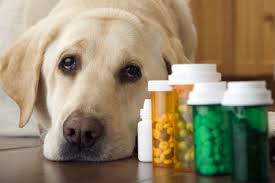
Dogs, like humans, are susceptible to a variety of infections caused by bacteria, viruses, fungi, or parasites. Treating these infections effectively is essential for your dog’s health and well-being. Infection medicine for dogs includes a range of medications prescribed by veterinarians to target specific infections, reduce symptoms, and prevent complications. This guide provides pet owners with a complete overview of infection medicines, their uses, precautions, and best practices for administering them safely.
Understanding Infections in Dogs
Infections in dogs can occur in various parts of the body, including the skin, ears, urinary tract, respiratory system, and gastrointestinal tract. Common signs that your dog may have an infection include:
-
Fever or lethargy
-
Loss of appetite
-
Vomiting or diarrhea
-
Persistent coughing or sneezing
-
Red, inflamed, or oozing skin
-
Discharge from eyes, ears, or genital areas
Identifying the type and location of an infection is crucial before starting any treatment. This is why a veterinary consultation is essential when your dog shows signs of illness.
Types of Infection Medicines for Dogs
Infection medicine for dogs varies depending on the type of infection and the causative agent:
1. Antibiotics
Used for bacterial infections such as urinary tract infections, skin infections, and wound infections. Common antibiotics include amoxicillin, cephalexin, clindamycin, and enrofloxacin.
2. Antifungal Medications
Used to treat fungal infections like yeast dermatitis or ringworm. Examples include ketoconazole, itraconazole, and fluconazole.
3. Antiviral Medications
Less commonly prescribed, antiviral drugs are used for specific viral infections under veterinary guidance.
4. Anti-Parasitic Medications
Used to treat infections caused by parasites such as giardia, coccidia, or worms. These may include medications like fenbendazole or praziquantel.
5. Supportive Medications
Some infections may require supportive care such as pain relief, anti-inflammatory drugs, or probiotics to aid recovery and restore gut health.
How Veterinarians Choose Infection Medicine
Veterinarians consider several factors when prescribing infection medicine for dogs:
-
Type of Infection: Whether it’s bacterial, viral, fungal, or parasitic.
-
Severity of Symptoms: Mild infections may need short-term treatment, while severe cases may require prolonged therapy.
-
Dog’s Age and Health Status: Puppies, senior dogs, or dogs with chronic conditions may require specialized medications or adjusted dosages.
-
Drug Sensitivity: Some dogs may be allergic or sensitive to certain medications, so the vet will select safe alternatives.
Diagnostic tests, such as blood work, urine analysis, cultures, or imaging, are often used to ensure the most effective treatment.
Proper Administration of Infection Medicine
Administering infection medicine for dogs correctly is critical for successful treatment:
-
Follow Dosage Instructions: Always give the exact dose prescribed by your veterinarian. Overdosing can be toxic, while underdosing may allow the infection to persist.
-
Complete the Full Course: Even if your dog appears better, finishing the entire course prevents relapse and antibiotic resistance.
-
Administer at the Correct Time: Many medications require scheduled dosing intervals. Missing doses can reduce effectiveness.
-
Use the Correct Method: Medications may be oral, injectable, or topical. Follow instructions carefully to ensure proper delivery.
Potential Side Effects
Most infection medicines are safe when used as directed, but side effects can occur:
-
Vomiting or diarrhea
-
Loss of appetite
-
Allergic reactions such as itching, swelling, or hives
-
Lethargy or unusual behavior
If you notice severe or persistent side effects, contact your veterinarian immediately. Prompt intervention can prevent complications and ensure your dog’s safety.
Supporting Your Dog During Recovery
In addition to medication, supportive care can enhance recovery from infections:
-
Hydration: Ensure your dog drinks plenty of water to support kidney and digestive function.
-
Nutrition: Offer a balanced diet that supports the immune system.
-
Hygiene: Keep infected areas clean, especially for skin, ear, or wound infections.
-
Monitor Symptoms: Track changes in behavior, appetite, or signs of infection and report them to your vet.
Common Mistakes to Avoid
Pet owners should be cautious when using infection medicine for dogs:
-
Self-Medicating: Never give human medications unless prescribed by a vet. Some human drugs can be toxic to dogs.
-
Sharing Medications Between Pets: Each dog’s infection and dosage requirements may differ.
-
Stopping Treatment Early: Incomplete courses can lead to persistent infections and drug resistance.
-
Ignoring Veterinary Advice: Proper diagnosis and monitoring are essential for safe and effective treatment.
When to Seek Immediate Veterinary Care
Seek veterinary attention immediately if your dog shows:
-
High fever or severe lethargy
-
Persistent vomiting or diarrhea
-
Rapidly spreading skin infection
-
Difficulty breathing or persistent coughing
-
No improvement after completing prescribed medications
Timely intervention can prevent complications and promote faster recovery.
Final Thoughts
Infection medicine for dogs is an essential tool for treating bacterial, fungal, viral, and parasitic infections. Responsible use, guided by a veterinarian, ensures effective treatment, reduces the risk of drug resistance, and keeps your dog safe. By following dosage instructions, completing the full course, and providing supportive care, you can help your dog recover fully and maintain optimal health.
Always consult your veterinarian before starting any medication, monitor your dog’s response to treatment, and maintain regular check-ups. With careful management, infection medicines can restore your dog’s health and keep them happy and active for years to come.
prateek