
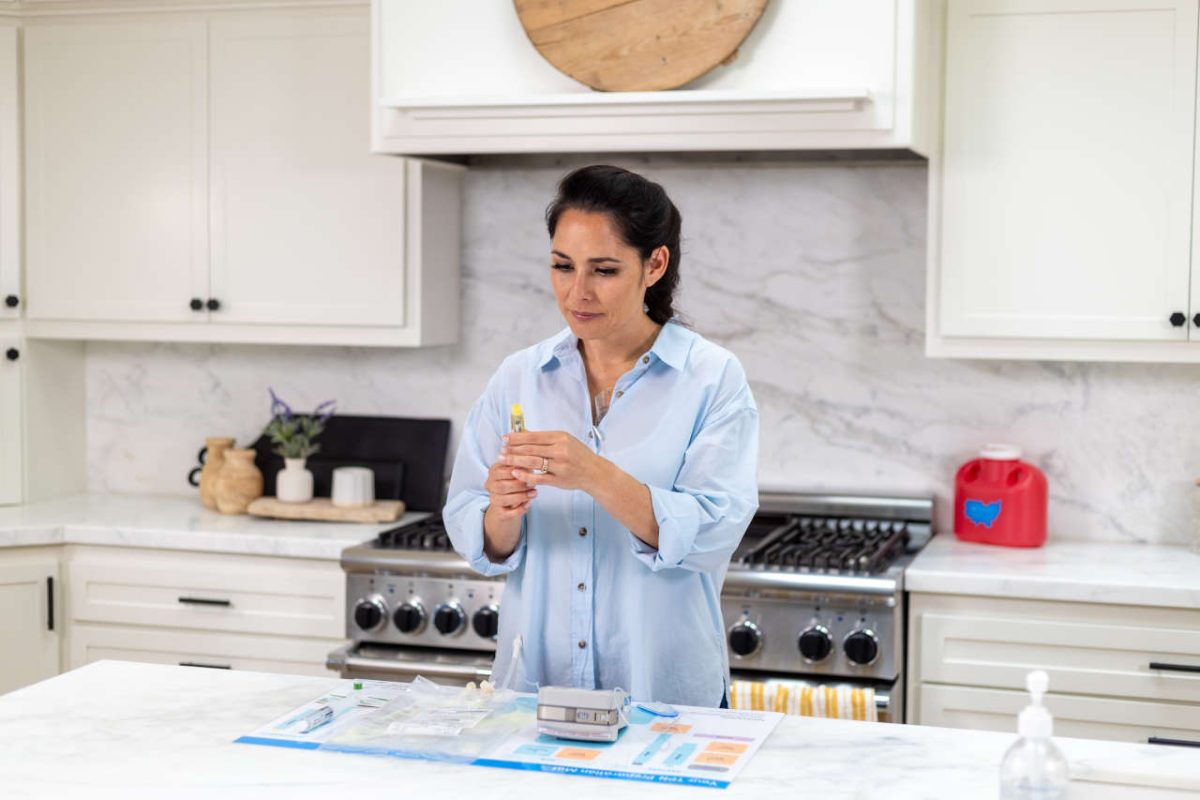
Proper training for caregivers is a critical factor in ensuring safe and effective management of Total Parenteral Nutrition in a home setting. Patients receiving TPN At Home In Dubai depend heavily on well-trained caregivers to handle daily procedures, maintain hygiene, and prevent complications associated with intravenous nutrition therapy. Many families also rely on Doctor at Home services to provide clinical supervision and reinforce caregiver education, ensuring that home-based treatment is carried out safely and confidently. With the right training, caregivers become an essential part of the healthcare team, supporting recovery and improving patient outcomes.
Understanding the Role of Caregiver Training:
Caregiver training is essential because TPN therapy involves complex medical procedures that require precision, hygiene, and consistency. Without proper knowledge, even minor mistakes can lead to serious complications such as infections or catheter damage. Training ensures caregivers understand their responsibilities, follow medical instructions accurately, and respond appropriately to changes in the patient’s condition.
Learning Safe Catheter Care Techniques:
One of the most important areas of training is central venous catheter care. Caregivers must be trained to handle the catheter safely and maintain its sterility at all times. Essential catheter care skills include:
- Proper hand hygiene before handling the catheter.
- Cleaning and dressing changes using sterile techniques.
- Inspecting the site for redness, swelling, or discharge.
- Avoiding unnecessary manipulation of the catheter.
- Ensuring secure placement during daily activities.
- Recognizing early signs of infection.
Understanding Sterile Handling Procedures:
Sterility is a key component of safe TPN administration. Caregivers must learn how to handle all medical equipment without introducing contamination. Training focuses on:
- Using sterile gloves when required.
- Avoiding contact with sterile parts of equipment.
- Keeping work surfaces clean and disinfected.
- Opening sterile packaging correctly.
- Preventing cross-contamination during preparation.
- Disposing of used materials safely and immediately.
Managing TPN Infusion Equipment:
Caregivers must be trained to operate infusion pumps and manage TPN administration safely. This ensures that nutrients are delivered at the correct rate and without interruption. Important skills include:
- Setting up infusion pumps correctly.
- Checking infusion rates before starting therapy.
- Monitoring equipment during use.
- Responding to alarms or malfunctions.
- Ensuring tubing is free from blockages.
- Verifying solution compatibility and labeling.
Recognizing Early Warning Signs of Complications:
Early detection of complications can prevent serious health issues. Training helps caregivers identify symptoms that require immediate medical attention. These include:
- Fever or chills.
- Redness or swelling at the catheter site.
- Sudden fatigue or weakness.
- Shortness of breath.
- Pain during infusion.
- Leakage from catheter lines.
- Irregular heartbeat or dizziness.
- Sudden changes in blood sugar levels.
Maintaining Proper Hygiene and Infection Control:
Infection prevention is one of the most important aspects of TPN home care. Caregivers must follow strict hygiene practices to reduce the risk of bloodstream infections. Training emphasizes:
- Regular and thorough handwashing.
- Keeping the home environment clean.
- Avoiding exposure to contaminated surfaces.
- Using disinfectants on preparation areas.
- Wearing protective gear when required.
- Maintaining personal hygiene standards.
Organizing and Storing Medical Supplies:
Proper organization of medical supplies helps ensure safe and efficient TPN administration. Caregivers are trained to manage inventory and maintain supply quality. Key practices include:
- Storing supplies in clean, dry areas.
- Keeping items organized by category.
- Checking expiration dates regularly.
- Ensuring proper labeling of equipment.
- Maintaining a checklist of available materials.
- Avoiding exposure to heat or humidity.
Emergency Response Training for Caregivers:
Caregivers must be prepared to respond quickly in case of emergencies during TPN therapy. Training covers basic emergency procedures such as:
- When to stop the infusion immediately.
- How to recognize severe symptoms.
- Contacting healthcare professionals quickly.
- Keeping emergency contact numbers accessible.
- Following physician-provided emergency protocols.
- Preparing for hospital transfer if needed.
Improving Confidence Through Continuous Education:
Caregiver training is not a one-time process; it requires ongoing education and reinforcement. Continuous learning helps caregivers stay updated with best practices and improves their confidence in managing TPN at home. Regular training sessions and follow-ups with healthcare professionals ensure that caregivers remain competent and well-prepared.
Final Thoughts
Training for caregivers is essential to the safe and successful management of home-based Total Parenteral Nutrition. By learning sterile techniques, catheter care, infusion management, infection control, and emergency response, caregivers become capable of providing high-quality support to patients. With proper education and ongoing guidance from healthcare professionals, including nursing and medical supervision, home TPN therapy becomes safer, more efficient, and more effective, ultimately improving patient comfort, safety, and overall quality of life.
Doctorathome