


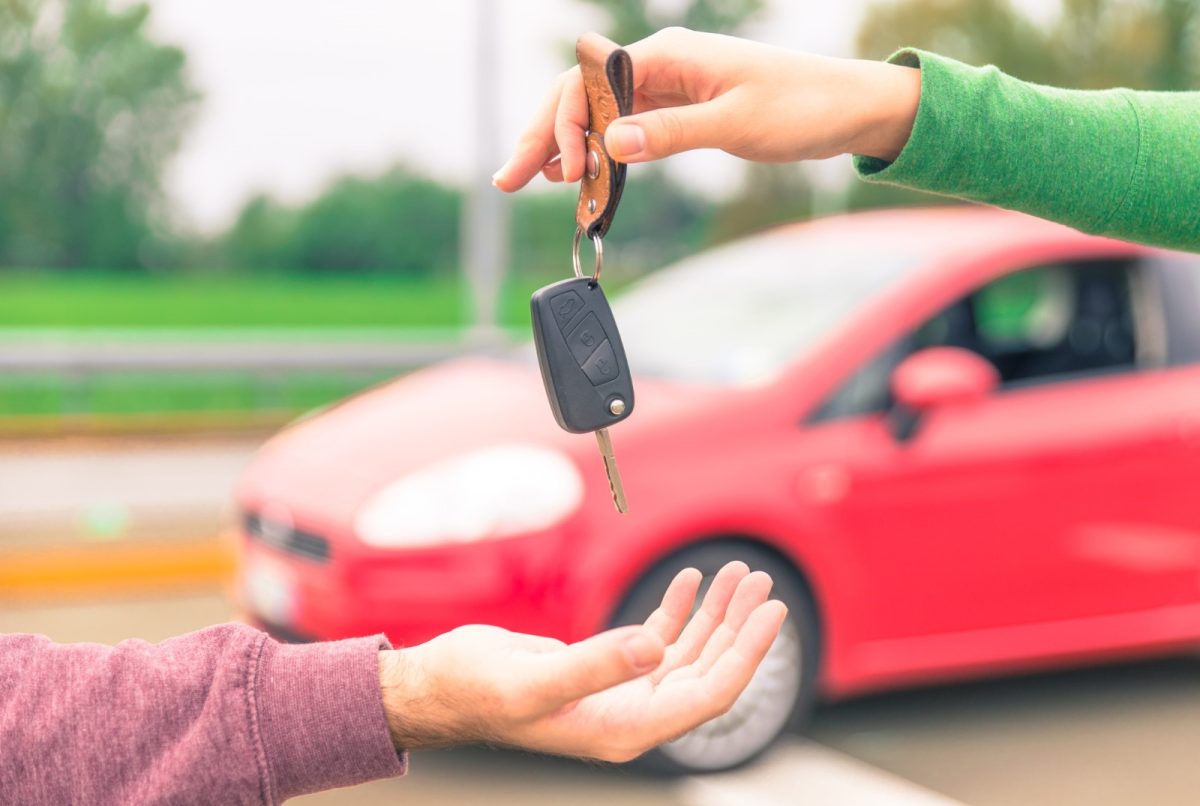
Selling a car for cash in Melbourne may feel simple at first, but the amount you receive depends on several factors that buyers study carefully. Each part of the process is based on market behaviour, vehicle condition, and what the buyer plans to do with the car. When you understand how the price is set, you are in a better place to negotiate and make clear decisions.
This guide explains the main points that shape your car’s value after a cash sale in Melbourne, why these points matter, and how buyers look at each detail.
The Role of Melbourne’s Used Car Market
The first point that shapes your car’s value is the local market. The used car market in Melbourne moves up and down according to supply, demand, and community habits.
During periods when new cars face long wait times, more people move toward second hand options. This can lift the amount buyers are willing to pay for cars that are still in good running condition. During periods with large stock and plenty of choices, prices may fall because buyers have more options and less pressure.
Seasonal patterns also play a part. For example:
-
Small cars and hybrids often gain more attention during high fuel price stages.
-
Four wheel drives and utes can attract stronger interest in holiday periods because many families travel.
-
Student areas often see higher demand for low cost vehicles during the start of study terms.
Buyers usually check current sales data, recent auction results, and average prices from local listings. These facts help them estimate what the car can resell for and guide them in making a fair offer.
Make, Model, and Year
Every car brand and model holds its value differently. Some brands have strong local following in Melbourne due to known mechanical strength, easy parts access, or long running reputation. Other brands lose their value faster because repairs may be costly or demand is lower.
Age also plays a clear role. A newer model with updated safety features, lower odometer readings, and modern technology often attracts higher cash offers. Older cars may still receive a solid amount if parts are in demand or if the vehicle has a record of long term durability.
Buyers usually compare your car against average depreciation rates. Depreciation refers to the way a car loses value as time passes. Some cars drop sharply in the first few years, while others stay stable for longer.
Odometer Reading and Usage Patterns
Odometer reading is one of the most important details for buyers. A car with lower kilometres often receives a higher amount because buyers expect less wear inside the engine and along the suspension.
However, the number alone is not the full story. How the kilometres were driven matters as well:
-
Highway driving causes less stop-start stress.
-
City driving leads to more brake wear and more strain on the engine.
-
Heavy towing can influence transmission condition.
Overall Condition of the Interior and Exterior
Buyers check everything from paint quality to dashboard appearance. While external scratches are common in Melbourne’s busy streets, severe dents or rust patches lower the final amount.
Inside the car, torn seats, damaged trim, stains, or a strong smell can reduce the offer because cleaning and repairs take extra time and money.
Common points buyers inspect include:
-
Tyre tread
-
Brake response
-
Headlights and indicator clarity
-
Windscreen cracks
-
Door alignment
-
Battery health
A car that still presents well, even if it is old, usually receives a more positive valuation than one that looks neglected. Presentation shows the level of care you had for the vehicle, and buyers often use that as a sign of long term wear.
Mechanical Condition and Roadworthy Factors
Mechanical health shapes a large part of the final offer. Buyers usually test the engine, listen for unusual noises, check transmission movement, and observe smoke level from the exhaust.
Some of the main mechanical points that influence cash sale value include:
-
Engine leaks
-
Transmission slip
-
Cooling system performance
-
Suspension noise
-
Faulty sensors
-
Warning lights on the dashboard
In Melbourne, some buyers ask whether the car can pass a Roadworthy Certificate check. Even if the buyer does not require a certificate for the sale, they still consider parts such as brakes, tyres, and lights because they must repair these issues before reselling or reusing the car.
If the car starts well, drives without rough behaviour, and shows no major signs of mechanical failure, the price usually stays on the higher side of the estimate.
Service History and Previous Care
A complete logbook plays a strong part in the final price. Buyers often place more trust in a car with a documented maintenance record because it shows the engine has received proper servicing.
Records that increase confidence include:
-
Regular oil changes
-
Timing belt replacement
-
Transmission servicing
-
Coolant flushes
-
Brake pad changes
If you have receipts for major repairs, such as engine rebuilds, new gearboxes, or upgraded suspension parts, these documents also support a stronger valuation because the buyer knows these jobs have already been completed.
A missing logbook does not always cause a large drop in price, but it removes proof of care, which can cause buyers to lower their offer for safety.
Accident History and Structural Condition
Buyers always check whether the car has been in a collision. Minor repairs such as bumper changes or panel dents may not affect the price much if the work was done well. However, structural damage, poorly aligned parts, or signs of previous frame bending can reduce the value significantly.
Accident history can be detected through:
-
Paint mismatch
-
Overspray
-
Uneven panel gaps
-
Visible weld marks
-
Chassis alignment issues
If the car has been repaired by a certified panel shop, the impact on the price might be minimal. But if the repairs were low quality or incomplete, the buyer will adjust the offer to cover the future work needed.
The Purpose of the Buyer
How the buyer plans to use your car influences the price as well. Some buyers specialise in reselling cars, some look for vehicles to repair and auction, and others may dismantle cars for parts. The purpose shapes the amount they are willing to pay.
For example:
-
A car in running condition usually receives a stronger amount because it can be sold again.
-
A car with major mechanical failure may be valued for metal weight or parts only.
-
Rare models may be valued highly because specific parts are hard to find.
Each buyer uses a different formula, but most consider both repair cost and possible return before deciding the final amount.
Location and Pickup Considerations
Where the car is parked also plays a small role. Cars parked in narrow laneways, underground spaces, or busy streets may take extra time to remove, which can influence the price slightly. Cars that are easy to access, even if damaged, make the process smoother for the buyer.
Final Thoughts
Your car’s value after a cash sale in Melbourne depends on clear and measurable factors. Market demand, overall condition, age, kilometres, service records, accident history, and mechanical health all come together to guide the final figure. When you understand how buyers assess each detail, you can approach the sale with confidence and prepare your car in a way that supports a stronger outcome.
Isla Alee