
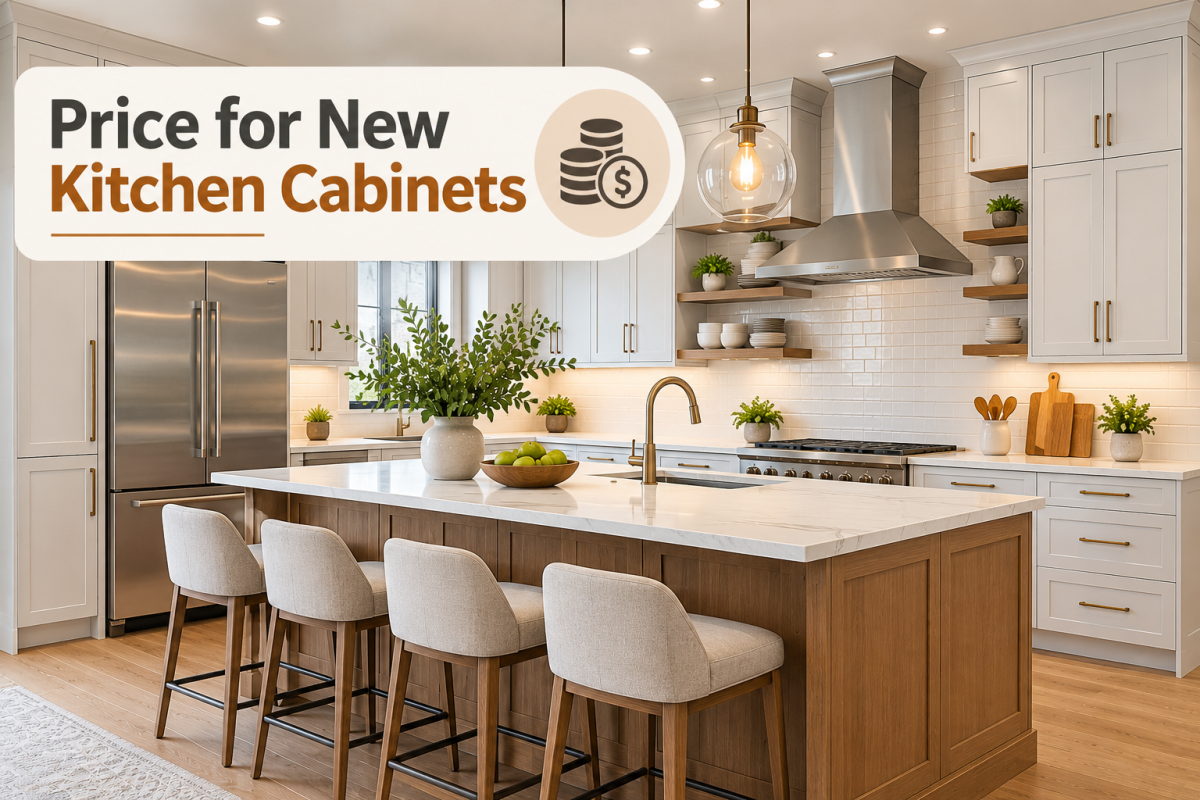
Replacing kitchen cabinets can completely change how a kitchen looks and functions, but it can also become one of the biggest expenses in a renovation. Homeowners often begin the process by comparing colors and door styles, only to discover that cabinet construction, kitchen size, storage features, installation, and finishing details can significantly affect the final budget. The good news is that creating an attractive and functional kitchen does not always require choosing the most expensive cabinetry available. Careful planning can help homeowners control costs while still prioritizing construction quality, useful storage, and a design that suits the home. For homeowners planning a kitchen update in Orland Park, IL, understanding where to spend and where to simplify can make the renovation easier to manage. The goal should be to find cabinetry that provides practical long-term value rather than simply choosing the lowest initial price.
Start With the Kitchen Layout
Before comparing cabinet prices, look carefully at the existing kitchen layout. Changing the location of every cabinet, appliance, sink, or island can increase the scope of a renovation. If the current layout works reasonably well, keeping major features in similar locations may help control additional plumbing, electrical, flooring, and construction expenses. The cabinet plan should still address existing problems. A kitchen may need more drawer storage, a better pantry, easier corner access, or improved countertop space. Homeowners exploring Affordable Kitchen Cabinets should compare cabinet configurations based on how efficiently they use the available room. A well-planned standard cabinet can sometimes provide more practical value than an expensive cabinet installed in the wrong location. Good layout planning can also reduce unnecessary cabinetry. Filling every wall with cabinets increases the project cost and may make a smaller kitchen feel crowded.
Understand the Main Cabinet Categories
Cabinets generally fall into stock, semi-custom, and custom categories. Understanding the differences can help homeowners decide where additional spending is worthwhile. Stock cabinets are manufactured in standard dimensions, colors, and configurations. They can work well when the kitchen layout fits common cabinet sizes and the homeowner does not need extensive customization. Semi-custom cabinetry provides more flexibility in sizes, finishes, storage features, and door styles. It can offer a balance between standard products and fully personalized cabinetry. Custom cabinets are designed around the exact dimensions and requirements of the space. They may be useful in kitchens with unusual walls, difficult corners, specialized storage, or unique design requirements. Choosing custom cabinetry throughout the entire kitchen is not always necessary. Some homeowners can use standard or semi-custom cabinets in most areas while reserving customized pieces for difficult locations.
Focus on Construction Before Decorative Upgrades
A lower cabinet budget should not automatically mean sacrificing basic construction quality. Cabinet boxes, drawers, shelves, hinges, and slides affect how the kitchen performs every day. Decorative features may improve appearance, but reliable construction is usually more important for long-term use. Strong drawer slides are particularly valuable because wide drawers may hold heavy pots, pans, and small appliances. Full-extension slides can also make items at the back easier to reach. Soft-close hinges and drawers improve everyday operation and reduce repeated impact. Stable shelves and properly aligned doors also contribute to a better finished kitchen. If the budget is limited, it may be more practical to choose a simpler cabinet finish while maintaining dependable hardware and construction.
Choose a Simple Door Style
Cabinet door style can affect both appearance and cost. Highly decorative doors with detailed molding, raised panels, or specialized finishes may require more manufacturing and finishing work. Simpler profiles can create an attractive kitchen without adding unnecessary visual complexity. Shaker cabinets are a common example. Their recessed center panel and clean surrounding frame can work in traditional, transitional, farmhouse, and updated kitchens. Slim Shaker doors create a more streamlined appearance, while flat-panel doors provide an even simpler look. A straightforward cabinet profile can also make future updates easier. Hardware, paint, lighting, backsplash tile, and countertops can change over time while the cabinetry remains visually flexible.
Select Cabinet Colors With Long-Term Use in Mind
Color trends change faster than cabinet construction. Choosing an extremely unusual finish may create a distinctive kitchen today but make future updates more difficult. White, cream, grey, greige, natural wood, and other flexible finishes can work with a wide variety of materials. This does not mean every kitchen must be neutral. Homeowners can introduce stronger colors through an island, backsplash, wall paint, or decorative features. A two-tone design can also provide visual interest without requiring specialty finishes throughout the entire room. Cabinet samples should be viewed beside countertops, flooring, and wall colors before an order is finalized. Materials that look attractive separately may contain undertones that clash when placed together.
Know What Determines New Cabinet Pricing
There is no single cabinet price that applies to every kitchen. The amount homeowners spend depends on several connected factors. Someone researching the price for new kitchen cabinets should consider the cabinet category, number of cabinets, construction, door style, finish, storage accessories, delivery, removal, and installation requirements rather than focusing only on a product price. A larger kitchen usually requires more cabinets, panels, trim, and hardware. However, layout complexity can sometimes matter as much as size. Corner cabinets, tall pantry units, islands, decorative panels, and specialized storage can increase the project scope. The condition of the existing room can also affect the total budget. Uneven walls, damaged surfaces, or changes to plumbing and electrical systems may require additional work before new cabinetry is installed.
Compare the Full Cabinet Budget
When reviewing estimates, homeowners should determine exactly what each quotation includes.
| Budget Area | What to Review |
| Cabinet products | Boxes, doors, drawers, shelves and panels |
| Hardware | Hinges, drawer slides, knobs and pulls |
| Storage features | Organizers, pull-outs, pantry systems and dividers |
| Delivery | Transportation and handling |
| Removal | Existing cabinet tear-out and disposal |
| Installation | Leveling, fitting, fastening and adjustments |
| Trim work | Fillers, toe kicks, crown molding and finished panels |
| Related changes | Plumbing, electrical, walls or flooring adjustments |
Comparing complete project estimates is more useful than comparing cabinet prices alone. A low product price may become less attractive if delivery, installation, trim, and required accessories are charged separately.
Spend More on Storage Features You Will Actually Use
Storage upgrades can improve a kitchen significantly, but homeowners do not need every accessory available. Before selecting organizers, identify the problems in the existing kitchen. If pots and pans are difficult to access, deep drawers may be worthwhile. If food disappears at the back of pantry shelves, pull-out storage could provide more value. Tray dividers can organize baking sheets and cutting boards. Pull-out trash systems can free floor space. Corner storage solutions can make difficult areas more accessible. The key is to spend on features that solve real problems instead of adding accessories simply because they look impressive in a showroom.
Keep Appliance Locations in Mind
Moving appliances can affect more than the cabinet plan. Changing the location of a range may require electrical or gas work. Relocating a sink may involve plumbing modifications. Moving a refrigerator could affect electrical outlets, flooring, or surrounding cabinetry. Keeping major appliances in practical existing locations may help control the renovation budget. New appliance dimensions should still be confirmed before cabinets are ordered. Refrigerator doors need enough clearance, dishwashers should not block important drawers, and cabinet openings must match the selected appliances. These details are easier to solve during planning than after cabinets arrive.
Avoid Overspending on Decorative Details
Crown molding, glass-front doors, decorative end panels, furniture-style feet, specialty hardware, and elaborate island details can all increase the cabinet budget. These features may be worthwhile when they support the overall design, but they should not automatically be included everywhere. Homeowners can create a polished kitchen by concentrating decorative details in a few visible areas. For example, a simple cabinet layout may use upgraded hardware and one finished island panel rather than decorative molding across every cabinet run. This approach allows the kitchen to feel customized without making every component more expensive.
Consider Installation Early
Installation should be included in the planning process from the beginning. Cabinets must be level, secure, and correctly aligned before countertops are installed. Walls and floors are not always perfectly straight, especially in older homes. Installers may need fillers, shims, trim, or adjustments to create an even finished appearance. Accurate measurements can reduce avoidable problems, but homeowners should still leave some flexibility in the budget for conditions discovered after old cabinets are removed. A clear estimate should explain whether removal, disposal, cabinet installation, trim, hardware fitting, and final adjustments are included.
Think in Terms of Value, Not Just Lowest Price
Affordable cabinetry does not necessarily mean choosing the cheapest cabinet available. A cabinet that costs slightly more but offers stronger drawers, better hardware, or a more useful layout may provide better long-term value. Similarly, homeowners can often save by simplifying decorative details rather than reducing construction quality. A practical budget might prioritize cabinet boxes, drawer systems, and storage while using a standard finish and straightforward door profile. This type of value engineering helps homeowners spend money where it has the greatest effect on everyday kitchen use.
Plan for Orland Park Homes
Kitchen sizes and layouts vary throughout Orland Park, IL. Some homes have traditional enclosed kitchens, while others feature larger open-concept spaces. In a compact kitchen, efficient base drawers, tall pantry cabinets, and lighter finishes may provide more value than adding decorative cabinetry. Larger kitchens may benefit from an island, additional pantry storage, or a mix of cabinet finishes, but every feature should still have a practical purpose. Reviewing measurements and cabinet samples before ordering can help homeowners understand which options fit the space and budget. A successful kitchen does not need the greatest number of cabinets. It needs the right cabinets in the right locations.
Final Thoughts
Planning a quality kitchen cabinet upgrade without overspending requires more than searching for the lowest cabinet price. Homeowners should consider the kitchen layout, cabinet category, construction, door style, storage needs, appliance locations, installation requirements, and total project scope. Affordable cabinetry can still provide an attractive and functional result when spending is focused on the features that matter most. Durable construction, useful storage, and accurate measurements usually provide greater everyday value than excessive decorative upgrades. For homeowners in Orland Park, IL, comparing cabinet options and understanding the complete cost before ordering can help create a realistic renovation plan. By balancing budget, quality, and function, homeowners can build a kitchen that looks updated, stays organized, and continues to work well for years.
smiths