
Getting the perfect 2-stroke oil mix is one of the most important steps in keeping your engine running at its best. Whether you’re powering a chainsaw, a dirt bike, or a boat motor, the right blend of fuel and oil ensures your engine stays lubricated, cool, and performing efficiently. A mistake in mixing might seem minor, but even small errors can lead to poor performance, heavy smoke, or serious engine damage.
Unlike 4-stroke engines that have a separate oil reservoir, 2-stroke engines depend entirely on the oil mixed into the fuel for lubrication. That means precision matters every single time you mix. With the right approach and understanding, you can easily master the perfect ratio for any 2-stroke machine.
Why the Fuel-to-Oil Ratio Matters
In every 2-stroke engine, oil plays a dual role, lubricating moving parts and cooling the engine during operation. Since the oil is burned with the fuel, the amount you add directly affects performance. Too little oil can cause friction, overheating, and piston scoring. Too much oil can result in thick smoke, fouled spark plugs, and carbon buildup in the exhaust system.
The fuel-to-oil ratio, often expressed as numbers like 40:1 or 50:1, tells you how much fuel to mix with a single part of oil. For example, a 40:1 ratio means 40 parts fuel to 1 part oil. The key is to balance the right amount of oil to protect the engine without affecting combustion.
How Different Ratios Work
Not all engines require the same amount of oil. Factors such as engine age, design, and manufacturer specifications all influence which mix ratio works best. Older engines tend to need more oil, while newer, precision-built motors perform better with leaner mixtures.
For example, older outboards, chainsaws, or dirt bikes with looser tolerances often benefit from richer oil mixtures. Modern machines, built with improved materials, can safely use less oil, creating cleaner emissions and better fuel economy.
If you’re maintaining older equipment or classic engines, you might find a 20:1 fuel mix chart helpful. This ratio provides a strong lubrication layer ideal for vintage or high-friction engines that run hotter. While this mix produces more smoke, it’s excellent for preventing wear and overheating under heavy use.
For engines that fall somewhere in between, such as standard 2-stroke lawn equipment or mid-generation motorcycles, a 24:1 fuel mix chart offers the perfect compromise. It provides solid protection without excessive residue, keeping the engine clean while maintaining performance consistency.
On the other hand, many modern engines are engineered for leaner mixtures, often using a 32:1 fuel mix chart. This ratio burns cleaner, reduces carbon deposits, and supports smoother throttle response. It’s especially suited for efficient, high-performance engines that are designed to meet current emission standards.
Choosing the Right Oil
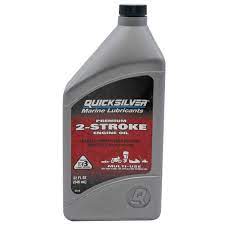
The type of oil you use can make or break your engine’s performance. Always choose oil specifically designed for 2-stroke engines either synthetic, semi-synthetic, or mineral-based. Synthetic oils tend to burn cleaner, reduce smoke, and provide superior protection. They’re ideal for modern machines and frequent use.
Cheap or improper oils can leave deposits in your combustion chamber, clog ports, and cause uneven burning. Using automotive or 4-stroke oil is a common mistake that can severely damage your engine because these oils are not meant to burn cleanly in 2-stroke combustion.
When in doubt, check your equipment’s user manual or oil manufacturer’s recommendation. Spending a bit more on quality oil saves you from costly repairs in the long run.
Steps to Mix 2-Stroke Fuel Accurately
Getting the perfect mix isn’t complicated, but precision and consistency are key. Here’s how to do it right every time:
- Use a clean, marked container. Dirt or leftover fuel can cause contamination. Always start with a dedicated container meant for fuel mixing.
- Measure correctly. Use a measuring jug or mixing bottle with clear markings to get the ratio right. Never guess even small miscalculations can affect performance.
- Add oil first. Pour the required amount of oil into the container before adding fuel. This helps the oil blend more evenly.
- Add fresh fuel next. Use only fresh, high-octane, ethanol-free gasoline if possible. Stale fuel can reduce power and cause engine knocking.
- Mix thoroughly. Shake or swirl the container to ensure the oil and fuel are fully blended.
- Label your container. If you make a larger batch, mark the ratio and date. Mixed fuel starts to lose quality after about 30 days.
Avoiding Common Mixing Mistakes
Even experienced users make small errors that can lead to big issues. Here are some things to avoid:
- Eyeballing measurements. Always use a proper measuring tool guessing ratios leads to inconsistent results.
- Using old or contaminated fuel. Gasoline breaks down over time and can harm carburetors. Always mix with fresh fuel.
Mixing different oil brands. Stick to one type to ensure compatibility and stable performance. - Forgetting to shake the container. Oil can separate from the fuel if left standing, so give it a quick shake before pouring.
By building these habits, you’ll always have consistent performance, less smoke, and longer engine life.
How Storage Affects Fuel Quality
After mixing, store your fuel in a clean, sealed container away from sunlight and moisture. Temperature changes can cause condensation, which may contaminate your mix. Plastic containers specifically designed for fuel are best avoided, using standard household bottles or metal cans that can rust.
If your fuel sits for more than a month, consider mixing a fresh batch. Old fuel can cause hard starts, loss of power, and irregular idling. It’s better to make smaller batches more frequently for reliability.
Final Thoughts
Getting the perfect 2-stroke oil mix isn’t difficult once you understand the process, it’s about precision, consistency, and using the right materials. The correct blend ensures smooth starts, clean burns, and dependable power output for all your 2-stroke engines.
Whether you’re mixing for a small garden tool or a powerful dirt bike, following proper ratios and using quality oil keeps your equipment protected and performing at its peak. Take the time to measure carefully, mix properly, and maintain your fuel freshness your engine will reward you with reliability and long-lasting performance.
Robinson