


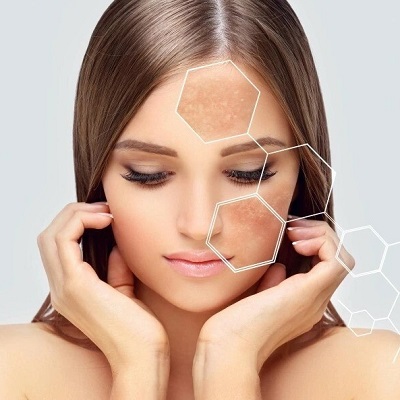
Melasma is a common yet stubborn skin condition that causes dark, uneven patches on the face, especially on the cheeks, forehead, nose, and upper lip. Although melasma is not harmful, it can significantly affect self-confidence and overall appearance. With so many treatment options available today, choosing the right one can feel overwhelming.
The key to successful melasma management lies in understanding your skin, identifying triggers, and selecting a treatment that offers both safety and long-term results. Professional guidance plays a vital role, especially for individuals seeking reliable solutions for Melasma in Islamabad under expert supervision.
Understand Your Type of Melasma First:
Before selecting any treatment, it’s essential to determine the type of melasma you have. Melasma is generally classified into three categories: epidermal, dermal, and mixed. Each type responds differently to treatment.
Epidermal melasma affects the upper layers of the skin and usually responds well to topical creams. Dermal melasma is deeper and more resistant, often requiring advanced procedures like lasers. Mixed melasma needs a combination of approaches. A proper diagnosis by a dermatologist ensures that you don’t waste time or money on ineffective treatments.
Identify the Root Causes and Triggers:
Choosing the right melasma treatment also depends on understanding what triggered the condition. Common triggers include sun exposure, hormonal changes, pregnancy, birth control pills, genetics, and heat.
If the underlying trigger is not controlled, even the most advanced treatments may fail or show temporary improvement. For example, sun-induced melasma requires strict sunscreen use alongside treatment, while hormone-related melasma may need a more conservative and long-term approach.
Compare Treatment Options Based on Severity:
Melasma treatments range from simple topical applications to advanced clinical procedures. The right choice depends on how severe and persistent the pigmentation is.
Mild cases often respond well to prescription creams containing ingredients like azelaic acid, retinoids, or vitamin C. Moderate melasma may benefit from chemical peels combined with topical therapy. Severe or resistant melasma usually requires laser or energy-based treatments under strict medical supervision.
Choosing a treatment that matches your melasma severity reduces the risk of side effects and improves results.
Consider Your Skin Type and Sensitivity:
Skin type plays a crucial role in deciding the safest melasma treatment. Sensitive or darker skin tones are more prone to irritation and post-inflammatory pigmentation if aggressive treatments are used.
People with sensitive skin may do better with gradual treatments and gentle formulations, while others may tolerate procedures like chemical peels or laser therapy. A tailored approach prevents complications and ensures steady improvement without damaging the skin barrier.
Evaluate Treatment Costs and Long-Term Value:
Cost is an important factor when choosing a melasma treatment, but it should never be the only deciding factor. Some treatments may appear affordable initially but require long-term use or repeated sessions, increasing overall expense.
Understanding the Melasma cost in Islamabad helps patients plan realistically and choose treatments that offer lasting value rather than short-term fixes. A professional consultation can provide clarity on expected results, number of sessions, and maintenance costs.
Check Safety and Medical Supervision:
Melasma treatments should always prioritize safety. Overuse of strong creams or unregulated procedures can worsen pigmentation instead of improving it. Treatments like lasers and chemical peels must be performed by trained professionals to avoid burns, scarring, or rebound melasma.
Medical supervision ensures that your skin is monitored closely and treatments are adjusted as needed. Safe treatment plans focus on gradual improvement rather than quick but risky results.
Importance of Sunscreen and Daily Skincare:
No melasma treatment is effective without proper sun protection. Sunscreen is a non-negotiable part of every treatment plan, regardless of the method chosen. UV exposure is the leading cause of melasma recurrence.
Daily skincare routines should include gentle cleansers, moisturizers, and broad-spectrum sunscreen with SPF 30 or higher. Consistency in skincare plays a major role in maintaining treatment results and preventing future pigmentation.
Assess Lifestyle Compatibility and Commitment:
Some melasma treatments require regular clinic visits, downtime, or strict skincare routines. It’s important to choose a treatment that fits your lifestyle and level of commitment.
For example, topical treatments require daily application over several months, while laser treatments may involve fewer sessions but higher costs and post-treatment care. Choosing a treatment that aligns with your routine improves compliance and overall success.
Choose a Trusted Clinic for Best Results:
The expertise of the clinic and dermatologist significantly influences treatment outcomes. An experienced clinic offers accurate diagnosis, customized treatment plans, and modern technology for safer results.
For individuals seeking professional care, Royal cosmetic surgery clinic provides advanced melasma treatments tailored to individual skin needs. With qualified specialists and patient-focused care, the clinic ensures safe, effective, and long-lasting melasma management.
iraj