

In VoIP networks, thousands of calls are initiated, managed, and terminated every second. Behind this seamless communication is a critical signaling component known as the SIP Proxy. One of its most important responsibilities is handling call requests efficiently and securely. This article explains how a SIP Proxy processes and manages call requests in a VoIP environment.
Understanding SIP Call Requests
SIP (Session Initiation Protocol) uses signaling messages to establish and control calls. A call request typically begins with a SIP INVITE message, which contains information such as the caller’s identity, the intended recipient, and session details. SIP Proxies are responsible for receiving, analyzing, and forwarding these requests to the correct destination.
What Is a SIP Proxy?
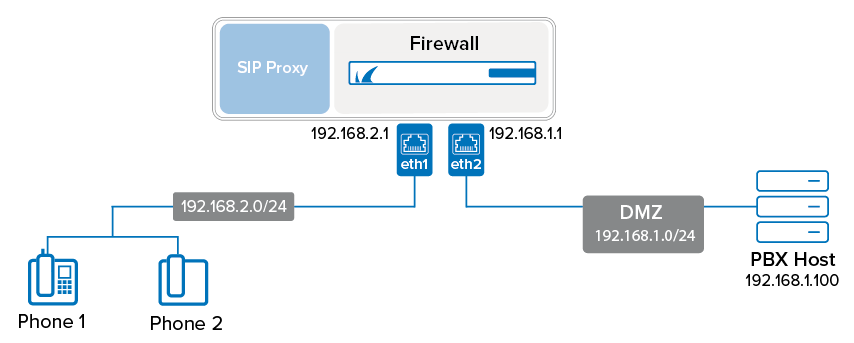
A SIP Proxy is an intermediary server that sits between SIP endpoints like IP phones, softphones, and PBX systems. Rather than allowing devices to communicate directly, the proxy manages signaling traffic and applies routing, security, and policy rules to every call request.
Step-by-Step: How SIP Proxy Handles Call Requests
1. Receiving the Call Request
When a user initiates a call, their SIP device sends an INVITE request to the SIP Proxy. The proxy acts as the first point of contact for all signaling messages in the network.
2. Request Validation and Authentication
Before forwarding the request, the SIP Proxy verifies:
-
The identity of the caller
-
Authorization credentials
-
Message format and integrity
Unauthorized or malformed requests are rejected immediately, protecting the network from misuse and attacks.
3. Analyzing Call Details
The SIP Proxy examines key elements of the request, including:
-
SIP headers
-
Destination URI
-
Dialed number patterns
-
User registration data
This analysis allows the proxy to determine where and how the call should be routed.
4. Applying Routing Rules
Based on predefined policies, the SIP Proxy decides the best path for the call. Routing decisions may depend on:
-
User location
-
Time-based rules
-
Load balancing requirements
-
Failover and redundancy settings
This ensures the call reaches the most appropriate endpoint.
5. Forwarding the Request
Once the routing decision is made, the SIP Proxy forwards the INVITE request to the next hop. This could be another SIP Proxy, a SIP Registrar, a media gateway, or the final recipient’s device.
In large deployments, multiple SIP Proxies may work together to handle a single call request.
6. Handling Responses
As the recipient responds (e.g., ringing, busy, or call accepted), the SIP Proxy relays these SIP responses back to the caller. It maintains the signaling path until the call is either established or rejected.
7. Managing Call Termination
When the call ends, a SIP BYE request is sent. The SIP Proxy ensures the termination message is delivered correctly, allowing both endpoints to release resources cleanly.
Stateful vs Stateless Handling
SIP Proxies can manage call requests in two ways:
-
Stateless Proxies forward requests without storing session data, offering faster performance.
-
Stateful Proxies track call states, enabling advanced features like billing, troubleshooting, and detailed analytics.
The choice depends on network size and operational requirements.
Why This Process Matters
Efficient handling of call requests ensures:
-
Faster call setup
-
Fewer call failures
-
Improved call quality
-
Stronger security
-
Better scalability
Without a SIP Proxy, managing call requests would become complex and unreliable, especially in enterprise or service-provider environments.
Final Thoughts
A SIP Proxy plays a central role in handling call requests within VoIP networks. By validating, analyzing, routing, and forwarding SIP messages, it ensures calls are established smoothly and securely. Understanding this process helps businesses and IT teams build more reliable and scalable communication systems.
Muhammad Usman