
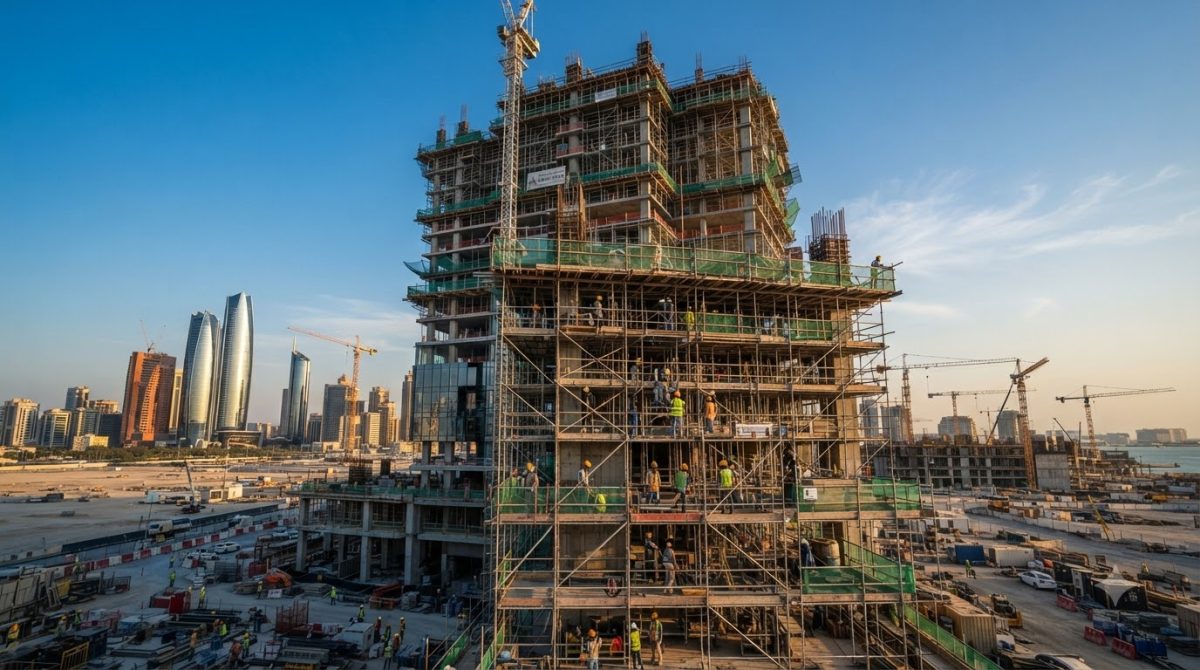
Construction sites are inherently dangerous environments. Workers are routinely required to operate at height, handle heavy materials, and perform physically demanding tasks in conditions that can change by the hour. Among all the safety measures used on a job site, few play as critical a role as scaffolding.
Far more than just a temporary platform, well-designed scaffolding is a core safety system that protects workers from falls, supports safe material handling, and creates a stable environment for tasks that would otherwise be far riskier. In this article, we’ll explore exactly how scaffolding contributes to worker safety, the key features that make it effective, and why partnering with professional scaffolding services is one of the smartest decisions a construction company can make.
Why Worker Safety Is a Top Priority in Construction
Before diving into scaffolding specifically, it’s worth understanding the scale of the problem it helps solve. Falls from height remain one of the leading causes of injury and fatality in the construction industry worldwide. Add in factors like heavy equipment, unstable surfaces, and long working hours, and it becomes clear why safety infrastructure isn’t optional — it’s essential.
Scaffolding directly addresses many of these risks by providing a controlled, stable, and properly engineered work environment. But its safety benefits go beyond simply giving workers somewhere to stand.
How Scaffolding Reduces Fall-Related Injuries
Stable Working Platforms
One of the most obvious ways scaffolding improves safety is by giving workers a solid, level surface to stand on while working at height. Unlike makeshift solutions such as ladders or stacked materials, scaffolding is engineered to distribute weight evenly and remain stable even when multiple workers and tools are present.
Guardrails and Toe Boards
Modern scaffolding systems include guardrails along open edges and toe boards at platform level. Guardrails prevent workers from accidentally stepping off the edge, while toe boards stop tools, debris, or materials from falling and injuring people below.
Safe Access Points
Proper scaffolding includes designated ladders, stairways, or ramps for climbing between levels. This eliminates the need for workers to improvise unsafe methods of getting up and down, which is a common cause of slips and falls on unregulated sites.
How Scaffolding Supports Safer Material Handling
Reducing Manual Lifting Risks
Scaffolding platforms allow materials to be positioned closer to the work area, reducing the need for workers to carry heavy loads up ladders or across uneven ground. This lowers the risk of strain injuries and accidents caused by manual handling.
Organized Storage of Tools and Equipment
Scaffolding platforms often include space for temporarily storing tools and materials in an organized way, preventing clutter that could otherwise lead to trips, falls, or dropped objects.
Controlled Load Distribution
Professionally installed scaffolding is designed with specific load limits in mind. This ensures that the weight of workers, tools, and materials is distributed safely, preventing structural failure due to overloading.
The Role of Proper Scaffolding Design and Inspection
Engineering to Local Safety Standards
Scaffolding isn’t something that should be assembled casually. It must be designed and erected according to local construction safety codes, taking into account the height of the structure, expected load, and environmental conditions such as wind exposure.
Regular Inspections
Even a well-built scaffold can become unsafe over time due to weather exposure, wear, or accidental damage. Routine inspections — ideally conducted by trained professionals — help identify issues like loose connections, corrosion, or structural instability before they lead to accidents.
Weather Considerations
High winds, heavy rain, or extreme heat can all affect scaffold stability and worker safety. Proper scaffolding design accounts for these factors, and site managers should have protocols in place for suspending work during hazardous weather conditions.
Types of Scaffolding Safety Features
Bracing and Cross Support
Diagonal bracing adds structural rigidity to a scaffold, preventing swaying or collapse under load. This is especially important for taller structures where lateral stability becomes a bigger concern.
Base Plates and Sole Boards
A scaffold is only as safe as its foundation. Base plates distribute weight evenly at ground level, while sole boards help prevent sinking or shifting on soft or uneven ground.
Safety Netting and Debris Screens
On larger sites, safety netting is often used alongside scaffolding to catch falling objects and protect both workers and pedestrians below. Debris screens serve a similar purpose while also containing dust and small particles.
Non-Slip Platform Surfaces
Platform boards with textured or non-slip surfaces reduce the risk of workers slipping, particularly in wet or dusty conditions common on active construction sites.
Training and Human Factors in Scaffolding Safety
Proper Worker Training
Even the best-engineered scaffold can’t guarantee safety if workers aren’t trained to use it correctly. Employees should understand how to climb safely, how to move materials without overloading platforms, and what to do in an emergency.
Clear Communication and Signage
Job sites should have clear signage indicating load limits, access points, and any areas under maintenance or repair. This reduces confusion and helps prevent accidental misuse of scaffolding structures.
Supervision and Accountability
Assigning a competent person to oversee scaffolding use, inspections, and compliance ensures that safety standards are consistently maintained throughout the project, not just at the initial setup stage.
Why Professional Scaffolding Services Matter
Expertise in Design and Installation
Professional scaffolding services bring engineering expertise to every project, ensuring the structure is designed to handle the specific loads, heights, and conditions of your site. This reduces the risk of design flaws that could compromise safety.
Access to Well-Maintained Equipment
Reputable scaffolding services maintain their equipment to strict standards, regularly inspecting components for wear, corrosion, or damage before they’re deployed on a new project. This significantly reduces the risk of equipment failure.
Compliance with Safety Regulations
Experienced scaffolding services stay up to date with local construction safety codes and regulations, helping ensure your project remains compliant and avoiding potential fines or work stoppages due to safety violations.
Faster, Safer Assembly and Dismantling
Trained scaffolding crews know how to erect and dismantle structures efficiently and safely, minimizing the time workers spend in vulnerable positions during setup and teardown — often the riskiest phases of scaffolding use.
Ongoing Support and Adjustments
As a project progresses, scaffolding needs often change — additional levels may be required, or sections may need to be reconfigured. Professional scaffolding services can adapt structures as needed while maintaining safety standards throughout.
Best Practices for Maximizing Scaffolding Safety
- Always use certified scaffolding services for design, installation, and inspection rather than relying on informal or unqualified labor.
- Conduct daily visual inspections before each shift to catch any changes in structural condition.
- Enforce load limits strictly, ensuring workers understand how much weight a platform can safely hold.
- Provide proper personal protective equipment (PPE), including harnesses where required, in addition to the scaffold’s built-in safety features.
- Establish clear emergency procedures in case of scaffold failure, severe weather, or worker injury.
- Keep platforms clear of unnecessary clutter to reduce trip hazards and maintain safe movement.
Final Thoughts
Scaffolding is far more than a temporary structure — it’s a critical safety system that protects workers from some of the most common and serious risks on a construction site. From stable platforms and guardrails to proper load management and regular inspections, every element of a well-designed scaffold contributes to a safer working environment.
For construction companies serious about protecting their workforce, investing in professional scaffolding services isn’t just a regulatory requirement — it’s a fundamental part of responsible project management. By combining quality equipment, expert installation, and ongoing safety oversight, scaffolding services help ensure that construction sites remain productive without compromising the well-being of the people who make the work possible.
Mazoon