
Flooring has a major influence on how a home looks and functions. In rooms built over concrete, homeowners often want a surface that feels more finished than bare concrete while still being practical for everyday use. Color, lighting, furniture, foot traffic, cleaning needs, and the condition of the existing slab can all affect the flooring decision.
For homeowners in Woodland Park, NJ, metallic epoxy is one decorative option worth considering when a seamless and customized appearance is important. Its flowing patterns can add visual depth to basements, living areas, entertainment rooms, and other suitable concrete spaces. However, choosing metallic epoxy should involve more than deciding which colors look best in photographs.
The room itself, concrete condition, moisture, lighting, surface preparation, topcoat, traction, and long-term maintenance should all be considered before installation.
Understand What Makes Metallic Epoxy Different
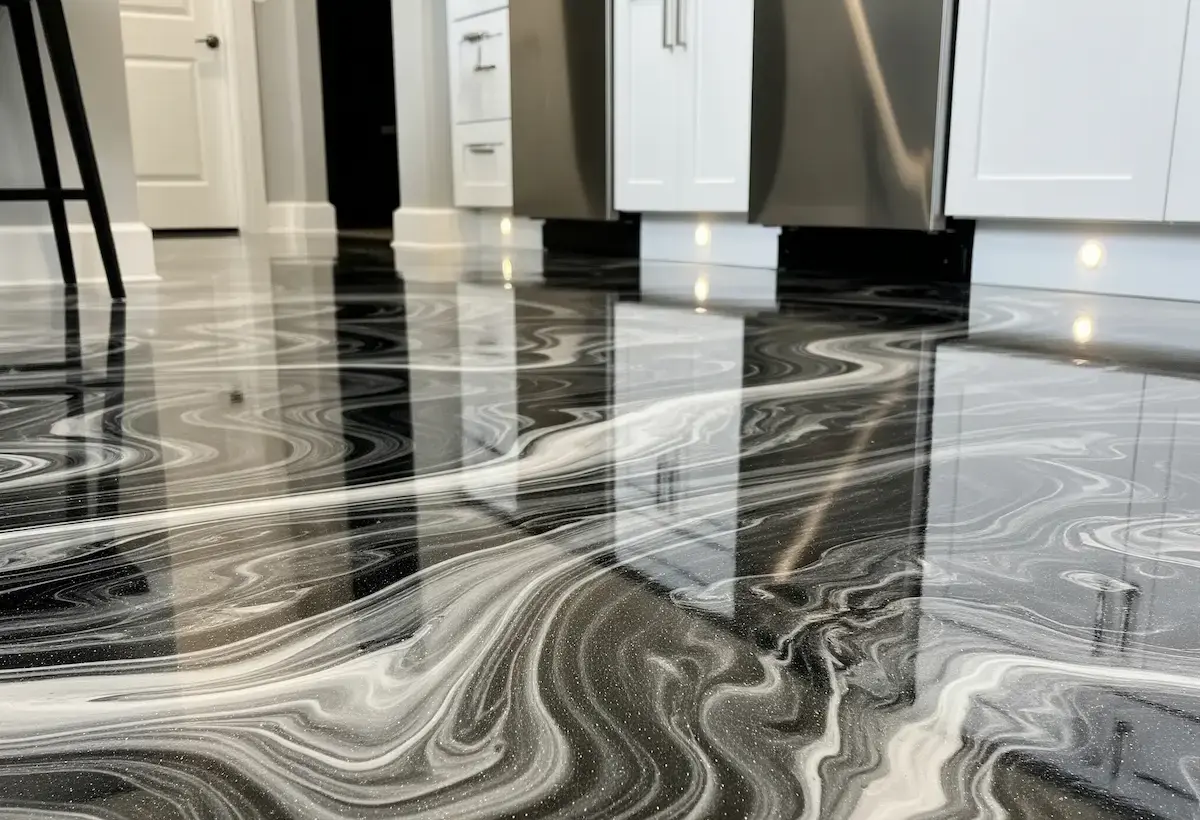
Metallic epoxy is different from a basic solid-color coating because decorative pigments are used to create movement within the surface. Professionally installed metallic epoxy flooring services can create effects that resemble polished stone, marble, clouds, flowing water, or other abstract patterns. The exact appearance depends on the pigments, base colors, application method, and movement of the material during installation.
Unlike a printed flooring pattern, the design develops directly on the floor. As a result, two installations using similar colors can still have different visual characteristics. This makes metallic epoxy particularly useful when homeowners want the floor itself to become part of the room’s design rather than simply serving as a neutral background.
Decide Whether the Room Is a Good Fit
Not every room needs a highly decorative flooring system. Before choosing metallic epoxy, homeowners should think about how the space is used and what they expect from the finished floor.
Some areas where metallic designs may make sense include:
- Finished basements
- Living rooms
- Entertainment areas
- Home theaters
- Home offices
- Home bars
- Studios
- Hobby rooms
- Selected garages
A utility room that is mainly used for storage may benefit more from a simple flake or solid-color system. In contrast, a finished basement used for entertaining may provide more opportunity for a decorative metallic floor. The flooring system should support the function of the room instead of being selected only because of its appearance.
Consider the Room Size Before Choosing a Pattern
Metallic epoxy patterns can range from subtle movement to strong swirls and large areas of contrasting color. The size of the room should influence that choice. Large, open spaces can often support wider patterns because there is enough floor area for the design to develop. In a smaller room, too much movement may make the surface appear busy.
A subtle gray, silver, cream, or pearl design can create depth without dominating the room. Stronger combinations such as black and silver, blue and pearl, or bronze and dark gray may create a more dramatic effect. The goal should be to create balance. If furniture, wall art, cabinets, or other interior features already use strong colors and patterns, a softer floor may help keep the room visually organized.
Think About Lighting Throughout the Day
Lighting can significantly change how a metallic floor appears. Natural daylight may make some pigments look brighter, while evening lighting may produce deeper tones and stronger reflections. A room with large windows can show different areas of the floor as the direction of sunlight changes throughout the day. Basements with limited natural light may rely more heavily on ceiling fixtures and lamps.
Homeowners should consider:
- Natural daylight
- Window placement
- Ceiling lighting
- Warm or cool light bulbs
- Wall colors
- Furniture colors
- Room dimensions
Lighter metallic finishes may help reflect available light in darker rooms. Deeper colors may create a stronger visual effect but can sometimes make smaller spaces feel heavier. Viewing samples under the lighting used in the actual room can make color selection easier.
Match the Floor With the Rest of the Interior
A metallic floor should work with the room rather than compete with it. Consider permanent features first, including walls, fireplaces, cabinetry, doors, countertops, and built-in furniture. These elements are usually harder to change than sofas, rugs, or decorative accessories.
Neutral metallic combinations provide greater flexibility if the homeowner plans to change furniture or wall colors later. A highly specific color combination may look impressive when first installed but can limit future design choices.
For example, gray and silver may work with several interior styles, while a strong blue or copper floor may require more careful coordination. Metallic epoxy is most successful when it feels like part of the overall design plan.
Check the Concrete Before Planning the Final Look
The decorative design should not be finalized until the condition of the concrete has been evaluated.
Existing slabs may contain:
- Hairline cracks
- Larger cracks
- Pitting
- Uneven areas
- Old floor paint
- Sealers
- Adhesive residue
- Stains
- Weak concrete
- Moisture-related problems
A decorative coating cannot correct every underlying problem. Small cracks may be repairable during preparation, but active movement within the concrete may cause cracks to return later. Old paint and sealers may also need removal because they can prevent the new coating from bonding directly to the slab. For this reason, concrete inspection should come before final color and design decisions.
Surface Preparation Plays a Major Role
A metallic floor places significant visual attention on the surface. Poor preparation can therefore affect both appearance and performance. Professional preparation may include mechanical grinding to remove weak material, old coatings, and contaminants while creating a suitable profile for the epoxy. Cracks and damaged sections may need repair before the decorative layers are installed.
Preparation can also include:
- Grinding the concrete
- Removing old coatings
- Cleaning contaminated areas
- Repairing cracks
- Filling small holes
- Smoothing damaged sections
- Removing dust
- Evaluating moisture
Homeowners should ask how the surface will be prepared before comparing installation estimates. The most attractive pigments will not compensate for a coating that cannot bond properly to the floor underneath.
Moisture Matters in Residential Concrete
Moisture deserves particular attention in basements and other ground-level spaces. Concrete can look dry while moisture vapor is still moving through the slab.
Possible warning signs include:
- White mineral deposits
- Dark areas
- Damp sections
- Musty odors
- Peeling paint
- Bubbling beneath an existing coating
A contractor may recommend moisture testing when these conditions are present. If the room has an active leak, drainage problem, or water entering through foundation walls, those problems should be addressed separately before decorative flooring is installed. Metallic epoxy should be part of a properly prepared flooring system, not a way to hide an unresolved moisture problem.
Metallic Epoxy Can Work Within a Larger Residential Flooring Plan
Homeowners do not necessarily need to use the same epoxy finish throughout the entire property. Different areas can use different systems based on their function.
For example:
| Residential Area | Possible Epoxy Approach | Main Consideration |
| Living room | Metallic epoxy | Design and lighting |
| Finished basement | Metallic or flake epoxy | Moisture and room use |
| Garage | Flake or durable coating system | Vehicle traffic and traction |
| Home gym | Flake or textured system | Equipment and grip |
| Entertainment room | Metallic epoxy | Decorative appearance |
| Utility room | Solid or flake system | Cleaning and practical use |
This is where broader residential epoxy flooring services can be useful. Instead of choosing one coating for every room, homeowners can evaluate each concrete area separately and select a finish based on traffic, moisture, design, and maintenance requirements. This approach creates a more practical flooring plan while still allowing decorative metallic epoxy to be used where its appearance provides the most value.
Choose the Right Gloss Level
Metallic floors are often shown with a high-gloss finish because reflections help emphasize depth and movement. However, maximum shine is not always the best choice for every home.
Glossy surfaces may make dust, footprints, and light scratches easier to notice. They can also become slippery when wet, depending on the finish. Homeowners should discuss whether a high-gloss, lower-gloss, or textured topcoat better suits the room.
An entertainment area may prioritize appearance, while an entrance or frequently used basement may need a stronger balance between visual appeal and traction. The topcoat should be selected according to daily use rather than photographs alone.
Plan Around Furniture and Rugs
Furniture should also be considered before metallic flooring is installed. Heavy sofas, tables, cabinets, and chairs can place concentrated pressure on the finished surface. Dragging furniture can also create scratches.
Protective pads should be placed beneath furniture legs when appropriate. Area rugs can be useful for defining seating areas and adding warmth, particularly in large living spaces or basements. However, rug pads should be selected for compatibility with coated flooring.
Homeowners should also think about where large furniture will sit when choosing the metallic pattern. A strong visual feature placed underneath a large sofa may never be seen, while another part of the floor may remain visually empty. Planning the room layout and floor design together can produce a more balanced result.
Consider Maintenance Before Choosing the Finish
Metallic epoxy generally creates a seamless surface without grout lines, but routine maintenance is still important. Loose dust and grit should be removed regularly. Abrasive particles can gradually affect the protective finish when they are carried across the floor under shoes or furniture. Spills should also be cleaned promptly.
A soft mop and suitable mild cleaner are generally more appropriate than aggressive scrubbing tools. Dark, highly reflective floors may show dust and footprints more quickly than lighter or less glossy designs. Homeowners who prefer minimal visible maintenance may want to consider this before selecting a dramatic dark finish.
Ask What the Complete Flooring System Includes
Homeowners should understand that metallic epoxy is usually more than one decorative layer.
A project may include:
- Concrete preparation
- Crack repairs
- Primer
- Base color
- Metallic epoxy layer
- Decorative pigment work
- Protective topcoat
- Optional traction material
Different contractors may use different systems. When comparing quotes, homeowners should ask what each layer does and whether preparation and repairs are included in the total estimate.
Two proposals that both say “metallic epoxy” may not include the same preparation, coating thickness, number of layers, or topcoat. Comparing the complete system provides more useful information than comparing the final number alone.
Plan for Installation and Curing
The room needs to be cleared before installation begins. Furniture, rugs, storage items, electronics, and other movable belongings should be removed. The project may involve several stages, including preparation, repairs, primer, decorative coating, topcoat, and curing.
Homeowners should ask when the floor can safely support:
- Light foot traffic
- Furniture
- Rugs
- Storage units
- Normal household use
A floor may feel dry before it is ready for full use. Following the installer’s curing instructions helps reduce the risk of marks or damage during the early stages of the finished floor.
Consider Local Conditions in Woodland Park, NJ
Homeowners in Woodland Park, NJ, should consider the location of the concrete before selecting a decorative flooring system. Basements and ground-level areas may require closer attention to moisture. Garages may experience wet vehicles, winter residue, dirt, and road salt.
Interior living spaces may place greater emphasis on lighting, furniture, gloss level, and design. A local inspection can help determine whether the slab requires crack repair, moisture evaluation, old-coating removal, or additional preparation before the metallic system is installed.
Epoxy Shine is one local option homeowners can consider when comparing decorative and residential epoxy flooring systems. Regardless of the contractor chosen, homeowners should expect a clear explanation of preparation, materials, design options, curing, maintenance, and warranty coverage.
Questions to Ask Before Choosing Metallic Epoxy
Before approving a project, homeowners may want to ask:
- Is the concrete suitable for metallic epoxy?
- How will the floor be prepared?
- Are concrete repairs included?
- Does the slab need moisture testing?
- How many colors are recommended?
- Can I see similar completed projects?
- What type of topcoat will be used?
- Will the floor need additional traction?
- How long will installation take?
- When can furniture return?
- What maintenance is required?
- What does the warranty cover?
These questions help shift the decision away from color alone and toward the complete flooring system.
Final Thoughts
Metallic epoxy can be a strong decorative option for homeowners who want a seamless floor with more visual depth than a basic solid-color coating. However, good residential flooring planning begins with the room itself. Concrete condition, moisture, surface preparation, lighting, furniture, traffic, traction, and maintenance should all influence the final design.
Metallic epoxy may be particularly effective in finished basements, living areas, entertainment rooms, and other spaces where the floor contributes to the overall interior style. Other areas of the home may benefit from simpler or more textured epoxy systems. For homeowners in Woodland Park, NJ, evaluating each concrete space separately can make it easier to choose flooring that balances appearance with practical everyday use.
Jackson