
Web applications play a critical role in how businesses connect with customers, manage operations, and deliver services. As demand for powerful web platforms grows, companies need development technologies that support performance, flexibility, and security. One technology combination that has gained wide recognition is the MERN stack. MERN stack combines MongoDB, Express.js, React.js, and Node.js to create full-stack JavaScript applications. This combination allows developers to build modern web platforms that are scalable, secure, and efficient. Many organizations rely on MERN stack development services to build web applications that can handle growing user traffic while maintaining strong performance and reliability.
This article explains how MERN stack supports the development of secure and scalable web platforms and why it has become a popular choice for businesses.
Understanding the MERN Stack
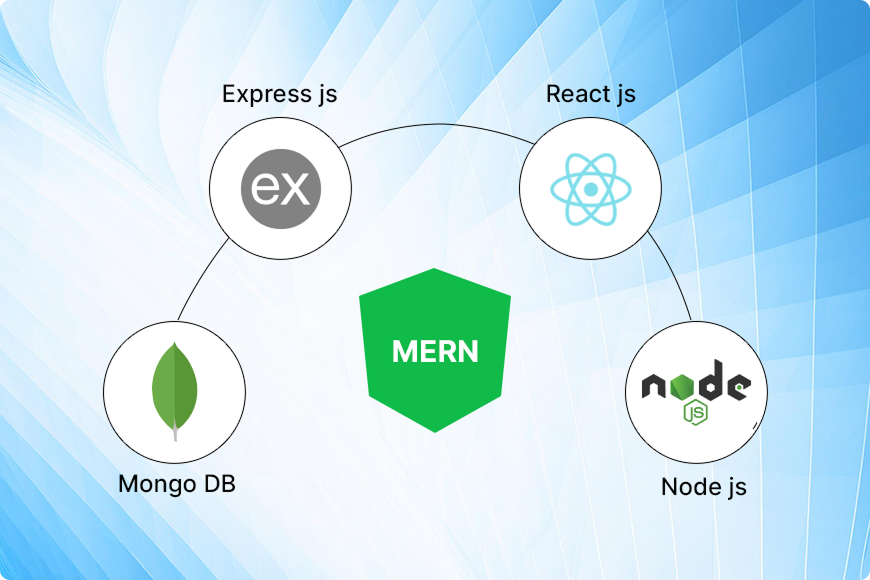
The MERN stack is composed of four technologies that work together to manage different parts of a web application.
MongoDB
MongoDB is a NoSQL database that stores data in flexible JSON-like documents. This structure makes it easier to handle large volumes of data and adapt to changing application requirements.
Express.js
Express.js is a lightweight backend framework that runs on Node.js. It simplifies server-side development by providing tools for handling APIs, routing, and middleware.
React.js
React.js is a front-end library used to build dynamic and interactive user interfaces. It allows developers to create reusable components that improve development speed and maintainability.
Node.js
Node.js is a server-side runtime environment that allows JavaScript to run outside the browser. It enables fast and scalable backend development using asynchronous processing.
Together, these technologies form a powerful framework for developing modern web platforms.
Scalability Advantages of MERN Stack
Scalability is essential for any web platform that expects user growth. Applications must be capable of handling increased traffic, large datasets, and expanding features without performance issues. MERN stack offers several advantages that support scalable development.
Single Language Across the Stack
One major benefit of the MERN stack is the use of JavaScript across the entire application. Developers can work on both the front-end and back-end using the same programming language.
This unified environment improves development efficiency and simplifies code management. Businesses using MERN stack development services often benefit from faster development cycles and easier scaling of applications.
Flexible Database Structure
MongoDB provides a flexible data model that stores information in documents rather than rigid tables. This flexibility allows developers to adjust the database structure as the application grows. For example, if a platform introduces new features or user data fields, MongoDB can adapt without requiring major structural changes. This capability makes it suitable for platforms that expect continuous updates and growth.
Efficient Data Handling
Node.js processes multiple requests simultaneously through an event-driven architecture. This non-blocking system allows applications to manage large numbers of user requests efficiently. As user traffic increases, the platform can continue processing requests without significant delays. This is particularly useful for platforms such as eCommerce websites, SaaS applications, and online marketplaces.
Microservices and Modular Architecture
MERN stack applications can be built using microservices architecture. This approach divides the platform into smaller independent services. Each service handles a specific function, which makes it easier to scale individual components of the system. If one service requires additional resources, developers can scale it without affecting the entire application. This modular structure helps businesses maintain performance as their platform grows.
Security Benefits of MERN Stack
Security is a critical factor when developing web platforms. Applications must protect user data, prevent unauthorized access, and defend against cyber threats. MERN stack offers several features that support secure development.
Secure Data Storage
MongoDB supports authentication, encryption, and access control features that help protect stored data. Developers can configure user roles and permissions to restrict database access. Data encryption also ensures that sensitive information remains protected during storage and transmission.
Strong Authentication Systems
Authentication is essential for protecting user accounts and platform resources. MERN stack allows developers to integrate authentication systems such as JSON Web Tokens (JWT) and OAuth. These methods help verify user identity and prevent unauthorized access to secure sections of the application.
Protection Against Common Vulnerabilities
Web applications often face threats such as cross-site scripting (XSS), cross-site request forgery (CSRF), and injection attacks. MERN stack applications can implement middleware and security libraries that protect against these risks. Express.js supports middleware tools that filter requests and detect suspicious activity. React also improves security by automatically escaping harmful content before rendering it in the browser.
Secure API Communication
Many modern platforms rely on APIs to connect services and transfer data. MERN stack enables developers to build secure RESTful APIs using Express.js. These APIs can include authentication tokens, request validation, and encrypted communication protocols to ensure secure data exchange.
Performance and User Experience
Performance plays a major role in the success of any web platform. Slow or unstable applications can lead to poor user experience and reduced engagement. React.js contributes to strong performance through its virtual DOM system. This system updates only the parts of the interface that change rather than reloading the entire page. This efficient rendering process reduces loading times and improves responsiveness. Platforms built with MERN stack development services often deliver smoother and faster user experiences.
Node.js also contributes to performance by managing asynchronous tasks efficiently. This allows the application to handle multiple operations without blocking other processes.
Rapid Development and Deployment
Businesses often need to launch web platforms quickly to stay competitive. MERN stack supports rapid development due to its extensive ecosystem and reusable components. Developers can use pre-built libraries, frameworks, and modules to accelerate development tasks. React components, for example, can be reused across different parts of the application. This approach reduces development time and helps teams focus on building features that add real value to the platform. Cloud integration also supports easier deployment and scaling. MERN applications can be hosted on cloud platforms that automatically adjust resources based on user demand.
Flexibility for Modern Web Applications
Modern web platforms require flexibility to support new features, integrations, and user demands. MERN stack provides this flexibility through its modular structure and open-source ecosystem. Developers can integrate third-party tools, payment systems, analytics platforms, and other services with minimal effort.
This flexibility makes MERN stack suitable for a wide range of applications, including:
- eCommerce platforms
- Social networking applications
- SaaS platforms
- Enterprise management systems
- Real-time collaboration tools
Businesses often rely on experienced teams offering MERN stack development services to build customized solutions that meet their specific requirements.
Frequently Asked Questions
What is the MERN stack used for?
MERN stack is used to develop full-stack web applications. It combines MongoDB, Express.js, React.js, and Node.js to build scalable and interactive platforms such as eCommerce websites, SaaS products, and enterprise applications.
Why is MERN stack popular for web development?
MERN stack is popular because it uses JavaScript across the entire application, which simplifies development and improves collaboration between front-end and back-end teams.
Is MERN stack suitable for large-scale applications?
Yes, MERN stack is suitable for large-scale applications. Its scalable architecture, flexible database structure, and asynchronous processing allow platforms to manage high traffic and large datasets.
How does MERN stack improve application security?
MERN stack supports security through authentication systems, encrypted communication, database access control, and protection against common web vulnerabilities.
Why do businesses choose MERN stack development services?
Businesses choose MERN stack development services because they provide efficient development, scalable architecture, strong performance, and flexibility for building modern web platforms.
Conclusion
MERN stack has become a reliable choice for building modern web platforms that require scalability, security, and strong performance. The combination of MongoDB, Express.js, React.js, and Node.js allows developers to create full-stack applications using a unified technology environment. Its flexible database system, efficient server architecture, and responsive user interfaces help businesses build platforms capable of supporting long-term growth. Security features such as authentication, encryption, and secure API communication also play a key role in protecting user data. Organizations seeking scalable and reliable web solutions often turn to experienced providers of MERN stack development services to develop applications that support both current needs and future expansion.
For More Information Follow “highdadirectory“
Sanjayaalpha