


Talking to the media can totally change the way people see you or your business. One word out of place under pressure can quickly damage your reputation. You may know everything there is to know about your industry, but talking to a reporter is a whole other ballgame. That’s why media training is important. It prepares you for tough questions without sounding like you’re on the defense or scared.
Understanding the Purpose Behind Difficult Questions
There is a purpose behind why the reporter asks a difficult question. You learn why the reporter asks that particular question through media training.
Learning How to Respond Without Becoming Defensive
If you get defensive, you lose. It makes you look guilty and shifts the focus away from your message. Training teaches you to stay calm, listen, and answer professionally. You learn to drop the emotional reactions and stay cool under fire.
Developing Clear Answers Under Pressure
In a live interview, you only have seconds to think. You need to organize your thoughts and speak clearly right away. Regular practice helps you give short, sharp answers instead of rambling or confusing the audience.
Many people who take media training in Melbourne find that practice interviews make them much better at thinking on their feet.
Staying on Message When Conversations Become Challenging
Reporters are great at steering the chat where they want it to go. If you are not ready, you will completely forget what you wanted to say. Media training teaches you how to steer the conversation back to your main points naturally.
Handling Follow-Up and Repeated Questions Effectively
The hardest part is often when a reporter asks the same question three different ways. They want to see if you crack or change your story. Training gives you the tools to stay consistent, no matter how many times they ask.
Using Body Language to Reinforce Credibility
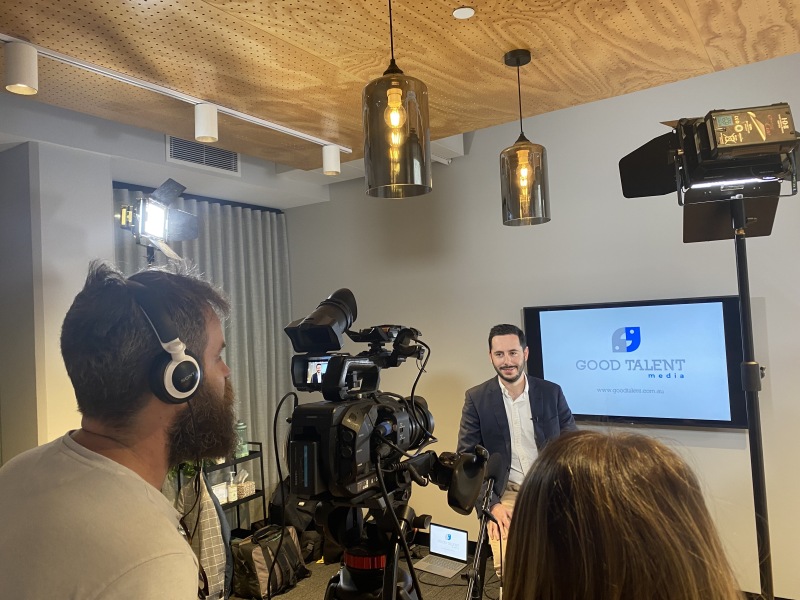
Your face and body talk just as much as your mouth. If you fidget or look away, people will not trust you. Many media training courses use video playback so you can see your bad habits and fix them.
Preparing for Unexpected Questions and Crisis Situations
Interviews rarely go exactly as planned. You might get hit with a question about a sudden crisis or bad news. Training helps you pause, think, and give a safe, honest answer instead of blurting out something you will regret.
Building Trust Through Consistent Communication
Answering tough questions is not about dodging the truth. It is about being clear, honest, and professional. Doing this every time builds real trust with your audience.
Investing in media training in Australia is the best way to make sure your team is ready for any media spotlight. It turns scary interview moments into great opportunities to show leadership.
Tony Nicholls