


Vein issues, such as varicose veins and spider veins, are more than just cosmetic concerns—they can affect your circulation, comfort, and overall leg health. If you’re considering vein procedures, understanding the recovery process is crucial. In this article, we’ll explore how long recovery takes after vein treatment, the factors that influence healing, and what you can expect during the process. This guide also highlights the expertise of a vein treatment specialist and outlines what are the treatment options for varicose veins.
What Does a Vein Treatment Specialist Do?
A vein treatment specialist is a medical professional trained to diagnose and treat vein disorders. These specialists evaluate the severity of varicose and spider veins and recommend treatments tailored to your specific condition. By consulting with a vein treatment specialist, you can ensure that your procedure is safe, effective, and optimized for a quicker recovery.
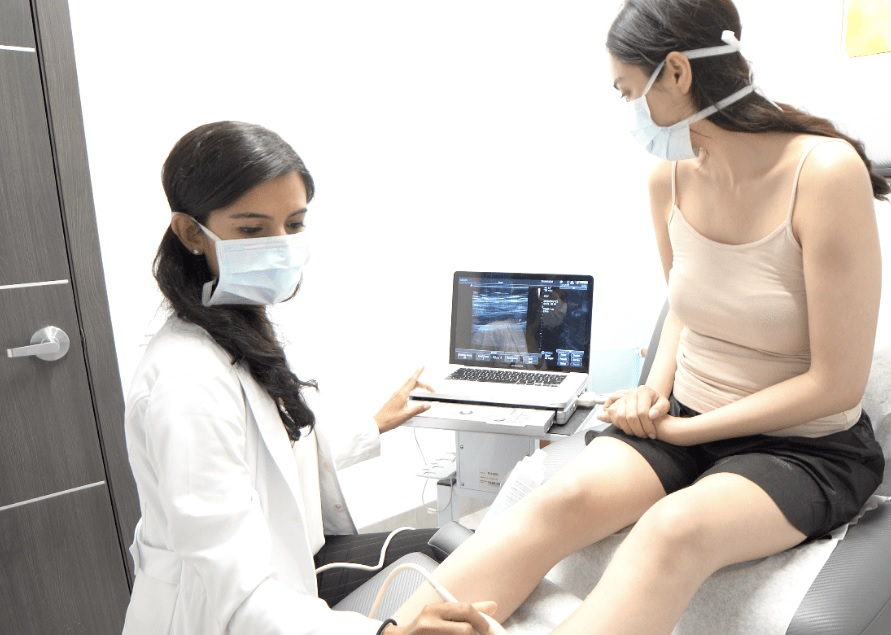
During your initial consultation at Vein Treatment New Jersey, the specialist will perform a comprehensive exam, which may include an ultrasound to assess blood flow in your veins. They will discuss your medical history, current symptoms, and any previous vein treatments. This personalized approach allows the specialist to recommend the best treatment option and provide an accurate estimate of recovery time.
What Are the Treatment Options for Varicose Veins?
Before discussing recovery, it’s important to understand what are the treatment options for varicose veins. Depending on the severity of your condition, vein treatment specialists may recommend:
- Sclerotherapy
- A minimally invasive procedure where a solution is injected into small varicose veins, causing them to collapse and fade.
- Typically performed on spider veins and small varicose veins.
- Recovery is usually quick, with most patients resuming normal activities within a day or two.
- Endovenous Laser Therapy (EVLT)
- Uses laser energy to close off larger varicose veins.
- This outpatient procedure involves local anesthesia, and patients may experience mild soreness for a few days.
- Compression stockings are often recommended for one to two weeks to aid healing.
- Radiofrequency Ablation (RFA)
- Similar to EVLT, this treatment uses radiofrequency energy to seal diseased veins.
- Recovery is generally smooth, with many patients returning to work within a day or two.
- Vein Stripping and Ligation
- A more traditional surgical approach for severe varicose veins.
- Requires general or regional anesthesia.
- Recovery can take several weeks, with restrictions on strenuous activity.
- Ambulatory Phlebectomy
- Removes superficial veins through small punctures in the skin.
- Typically performed under local anesthesia.
- Patients may experience mild bruising and swelling but can return to daily activities quickly.
Consulting with a vein treatment specialist at Vein Treatment New Jersey will help determine which option is best for your specific case, balancing effectiveness with recovery time.
How Long Is Recovery After Vein Treatment?
Recovery time varies depending on the type of treatment, the size and location of the veins, and individual health factors. Here’s a breakdown of recovery expectations by procedure:
- Sclerotherapy Recovery
- Minimal downtime is required.
- You may experience minor swelling or bruising at the injection site.
- Compression stockings help improve circulation and reduce discomfort.
- Normal activities can usually resume immediately.
- EVLT and RFA Recovery
- Most patients return to work the next day.
- Mild soreness or tightness along the treated vein is common for one to two weeks.
- Walking regularly is encouraged to improve circulation.
- Surgical Vein Stripping Recovery
- Recovery typically takes two to four weeks.
- Strenuous activity and heavy lifting are restricted during the healing process.
- Swelling, bruising, and discomfort are common but gradually improve.
- Ambulatory Phlebectomy Recovery
- Minimal downtime, usually a few days.
- Some bruising or tenderness may appear along the treated areas.
- Wearing compression stockings helps speed healing.
While these timelines offer general guidance, every patient’s experience differs. Factors such as age, overall health, and adherence to post-treatment care instructions significantly affect recovery.
What Can You Do to Speed Up Recovery?
Following your vein treatment, there are several steps you can take to ensure a smooth recovery:
- Wear Compression Stockings
- These garments support veins and reduce swelling.
- Your vein treatment specialist will advise how long to wear them.
- Stay Active
- Walking promotes blood flow and prevents complications like blood clots.
- Avoid long periods of standing or sitting without movement.
- Follow Medical Instructions
- Adhere to all post-procedure guidelines provided by your vein treatment specialist.
- Take prescribed medications and attend follow-up appointments.
- Avoid Strenuous Activities
- Heavy lifting or intense workouts should be postponed until your specialist gives approval.
- Maintain a Healthy Lifestyle
- A balanced diet and proper hydration aid healing.
- Avoid smoking, which can impair circulation.
Are There Risks That Could Affect Recovery?
While vein treatments are generally safe, some risks can influence recovery time:
- Infection at the treatment site
- Blood clots in deep veins (rare)
- Skin discoloration or scarring
- Persistent pain or swelling
Your vein treatment specialist will discuss these risks with you during your consultation and outline preventive measures to minimize complications.
When Should You Seek Follow-Up Care?
Even with a smooth recovery, it’s important to attend follow-up visits. Contact your vein treatment specialist if you experience:
- Severe pain or swelling that doesn’t improve
- Redness, warmth, or signs of infection
- Numbness or tingling in the treated area
- New varicose veins forming near the treated site
Early intervention ensures a better outcome and helps maintain healthy veins.
Final Thoughts
Recovery after vein treatment depends on the type of procedure, your overall health, and adherence to your specialist’s instructions. Minimally invasive procedures like sclerotherapy, EVLT, and RFA usually allow for a quick return to daily activities, while surgical options may require longer healing periods.
By consulting a vein treatment specialist at Vein Treatment New Jersey, you receive personalized care that addresses your vein concerns effectively. Understanding what are the treatment options for varicose veins and following recommended recovery steps ensures the best possible results for healthier, more comfortable legs.
Investing time in proper recovery not only improves your leg health but also enhances the long-term effectiveness of your vein treatment. With the right guidance and post-treatment care, most patients enjoy a smooth, rapid recovery and lasting relief from varicose veins.
emergencydentistinhouston