

Maintaining excellent oral hygiene is a goal everyone should strive for, yet many people overlook the spaces between their teeth. These tight areas often harbor bacteria, plaque, and food particles that standard toothbrushes cannot reach. This is where Interdental Brushes come in, providing an effective solution for a cleaner, healthier mouth. In this article, we explore how incorporating Interdental Brushes into your daily routine can significantly improve your oral health and provide long-term benefits.
Why Regular Brushing Isn’t Enough
Brushing twice a day is a well-known cornerstone of oral hygiene, but even the most diligent brushers often miss the tight spaces between teeth. Standard toothbrush bristles can clean the surface of teeth effectively, but they cannot reach the narrow gaps where plaque and debris accumulate. Over time, this buildup can lead to gum inflammation, cavities, and bad breath. Using Interdental Brushes ensures these critical areas are addressed, reducing the risk of oral health issues and promoting a cleaner mouth.
How Interdental Brushes Work
Interdental Brushes are small, specially designed tools with bristles that fit between teeth. Unlike traditional floss, they can reach deeper into wider gaps, making them ideal for people with braces, bridges, or natural tooth spacing. By gently sliding the brush between teeth, users remove plaque, food particles, and bacteria that contribute to gum disease and cavities. Regular use strengthens gum health and supports the overall effectiveness of your daily brushing routine.
Tips for Using Interdental Brushes Effectively
Incorporating Interdental Brushes into your daily routine requires proper technique to maximize their benefits. Begin by selecting a brush size that fits comfortably between your teeth without forcing it. Move the brush back and forth gently, ensuring it touches all sides of the teeth. This method removes plaque without damaging sensitive gum tissue. In addition to daily brushing, pairing Interdental Brushes with other Dental Care Tips like using fluoride toothpaste and rinsing with an antibacterial mouthwash can significantly enhance oral hygiene results.
Benefits Beyond Cleaning
The advantages of Interdental Brushes extend beyond basic plaque removal. By regularly cleaning between teeth, you help prevent gum inflammation and bleeding, reduce the likelihood of cavities, and decrease the risk of bad breath. Studies have shown that using Interdental Brushes can be more effective than floss alone in reducing gum disease, particularly in individuals with tight tooth spacing or dental work such as bridges and braces. The consistent use of these brushes contributes to healthier, stronger gums and a brighter smile.
Choosing the Right Interdental Brush
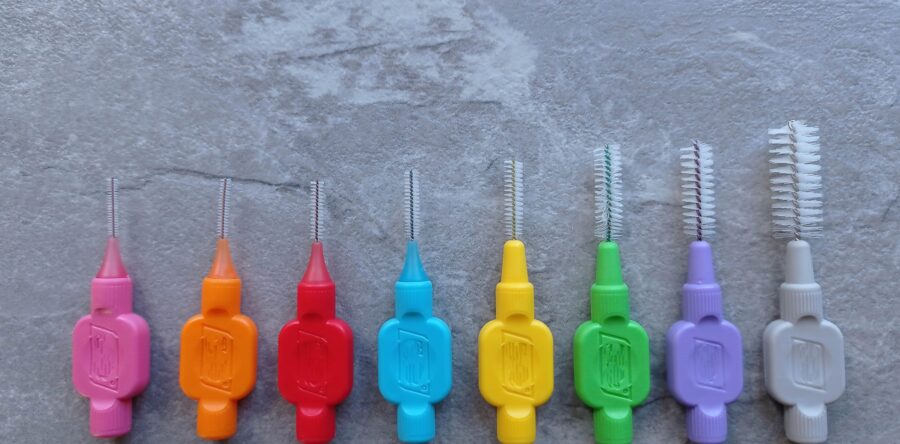
Selecting the appropriate Interdental Brushes is crucial for effective cleaning. Brushes come in various sizes to accommodate different tooth gaps. A brush that is too small may not remove plaque effectively, while one that is too large can cause discomfort or damage to gums. Dentists often recommend starting with a medium-sized brush and adjusting as needed for individual gaps. Regularly replacing worn brushes ensures optimal performance, while using a proper size enhances comfort and efficiency in cleaning.
Interdental Brushes for Sensitive Gums
Many people hesitate to use Interdental Brushes because they fear causing pain or bleeding. However, these brushes are specifically designed to be gentle on gums while effectively removing plaque. For individuals with sensitive gums, soft-bristled brushes or smaller sizes can provide a comfortable cleaning experience. Using these brushes consistently not only improves gum health but also reduces sensitivity over time, making oral care routines easier and more enjoyable.
Integrating Interdental Brushes into Daily Routine
For maximum benefit, it’s important to integrate Interdental Brushes into your oral hygiene regimen seamlessly. Ideally, use them once a day after brushing or in the evening before bedtime. Starting with one or two minutes per session allows your gums to adjust gradually. Over time, as the brushing becomes habitual, cleaning between teeth will become second nature. Combining Interdental Brushes with regular dental checkups and professional cleanings ensures comprehensive oral care and lasting results.
Common Mistakes to Avoid
Even with the best intentions, improper use of Interdental Brushes can reduce their effectiveness. Common mistakes include using excessive force, choosing the wrong size, or skipping difficult-to-reach areas. Additionally, neglecting to clean all gaps between teeth can allow plaque buildup to continue in hidden spaces. Avoiding these pitfalls ensures your investment in Interdental Brushes pays off, providing optimal oral hygiene, healthier gums, and a brighter smile.
In conclusion, Interdental Brushes are a simple yet powerful tool that complements regular brushing and flossing. By targeting the hard-to-reach areas between teeth, they reduce plaque, prevent gum disease, and contribute to overall oral health. Following proper usage techniques and incorporating these brushes into your daily routine alongside other Dental Care Tips ensures a cleaner, healthier mouth and long-term benefits for your smile.
David Khalil