

In today’s fast-paced world, stress and physical tension have become part of everyday life. Long work hours, constant screen time, and demanding routines place a heavy burden on both the mind and body. Finding effective ways to relax and recover is essential for maintaining overall health and well-being. One of the most enjoyable and proven methods is soaking in a hot tub.
Hot tubs offer more than just comfort and luxury. They provide therapeutic benefits that help reduce stress, relax muscles, and support faster physical recovery. Whether used after a long day or following intense physical activity, hot tubs create a powerful environment for healing and relaxation.
Understanding Stress and Muscle Tension
Stress often manifests physically. Tight shoulders, stiff backs, and sore muscles are common signs of mental and emotional pressure. Muscle tension can also result from exercise, poor posture, or repetitive movements.
When the body is under stress, it releases cortisol, a hormone that contributes to muscle tightness and fatigue. Over time, this can lead to chronic discomfort and reduced mobility. Addressing both mental stress and physical strain is key to restoring balance.
The Science Behind Hot Tub Therapy
Hot tubs work through a combination of heat, buoyancy, and massage. Warm water increases blood flow, helping deliver oxygen and nutrients to muscles while flushing out toxins. The buoyancy of water reduces pressure on joints, allowing muscles to relax more fully.
Hydrotherapy jets add another layer of benefit by gently massaging muscles, targeting areas of tension and soreness. This combination creates an ideal environment for stress relief and muscle recovery.
How Heat Reduces Stress
Warm water has a calming effect on the nervous system. When the body is immersed in heat, blood vessels expand, improving circulation and promoting relaxation.
Benefits of heat therapy include:
-
Lowered stress hormone levels
-
Reduced muscle tightness
-
Improved mental clarity
-
Enhanced mood
This natural relaxation response helps the body transition from a state of tension to one of calm.
Muscle Recovery Through Improved Circulation
Muscle soreness often occurs due to micro-tears in muscle fibers, especially after exercise. Increased circulation is essential for repairing these fibers.
Hot tubs support recovery by:
-
Increasing blood flow to sore muscles
-
Reducing inflammation
-
Accelerating the removal of lactic acid
-
Supporting tissue repair
Athletes and fitness enthusiasts frequently use hot tubs as part of their recovery routine for these reasons.
Relieving Joint and Back Pain
Hot tubs are particularly effective for easing joint stiffness and back pain. The buoyancy of water reduces body weight, relieving pressure on joints and the spine.
This allows muscles to relax without strain, making hot tubs beneficial for individuals with:
-
Lower back pain
-
Arthritis
-
Joint stiffness
-
Muscle spasms
Regular use can improve mobility and reduce discomfort over time.
Mental Relaxation and Emotional Well-Being
Stress relief is not just physical—it’s mental. Soaking in a hot tub creates a quiet space to unwind, disconnect, and refocus.
The calming environment promotes:
-
Reduced anxiety
-
Improved mood
-
Better sleep quality
-
Enhanced emotional balance
Many people find that even short sessions provide noticeable mental relief.
Supporting Better Sleep
Quality sleep is closely linked to stress levels and muscle recovery. Hot tubs help regulate sleep by raising body temperature and allowing it to gradually cool afterward, signaling the body that it’s time to rest.
This process can:
-
Help you fall asleep faster
-
Improve sleep depth
-
Reduce nighttime muscle cramps
Better sleep enhances overall recovery and daily energy levels.
The Role of Consistent Use
Consistency is key when it comes to stress relief and muscle recovery. Regular hot tub sessions can:
-
Prevent chronic muscle tension
-
Reduce stress buildup
-
Improve flexibility
-
Support long-term wellness
Even short daily sessions can make a significant difference.
A Comfortable Option for Shared Relaxation
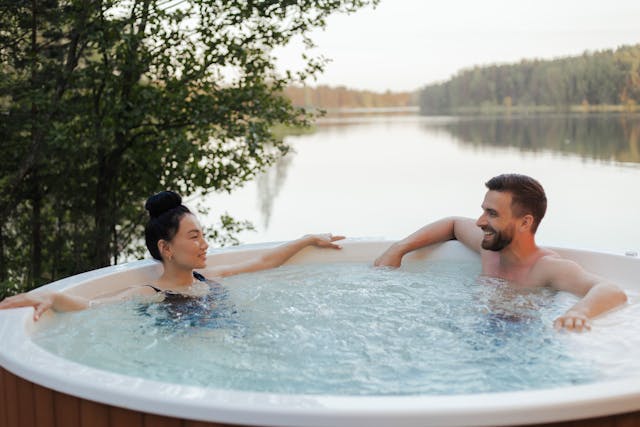
Using a hot tub with family or friends adds a social element to relaxation. A 4 Person Hot Tub provides enough space for shared experiences without feeling crowded, making it ideal for both personal recovery and social connection.
Relaxing together enhances emotional well-being while still delivering physical benefits.
Combining Hot Tubs With Healthy Habits
Hot tubs work best when combined with a balanced lifestyle. Stretching, proper hydration, regular exercise, and stress management techniques enhance the benefits of hydrotherapy.
Using a hot tub as part of a holistic wellness routine supports faster recovery and long-term stress reduction.
Conclusion
Hot tubs offer a powerful and enjoyable way to reduce stress and support muscle recovery. Through the combined effects of heat, buoyancy, and hydrotherapy, they help relax the body, calm the mind, and promote overall well-being.
Whether you’re recovering from physical activity or simply seeking relief from daily stress, regular hot tub use provides lasting benefits. By creating a space dedicated to relaxation and healing, hot tubs become an essential tool for maintaining balance, health, and quality of life.
Pamela Burgess