
When a property suffers major flooding, homeowners often feel overwhelmed by the scale of destruction. Water spreads rapidly, soaks into porous surfaces, damages structural elements, and creates serious health risks within hours. At this point, the smartest move is to call experienced specialists who know exactly how to manage severe flood damage cleanup. But what does the professional process actually look like? How do experts bring a soaked, contaminated, or structurally compromised building back to safety?
Below, we break down the step-by-step approach professionals follow when performing water damage restoration after a severe flood.
What Is the First Step Professionals Take After a Severe Flood?
When professionals arrive on-site, their first step is always a comprehensive assessment. Before touching any equipment, they evaluate the severity of the flood, the kinds of materials affected, the level of contamination, and potential structural risks.
Flood water is categorized into three levels:
- Category 1: Clean water from supply lines
- Category 2: Gray water with mild contaminants
- Category 3: Black water from sewage, storms, or rising groundwater
Severe floods almost always fall into Category 3, which means immediate precautions are essential. Specialists document everything with photos, moisture readings, and damage reports so insurance claims are handled smoothly. Companies like Ideal Response follow strict industry standards to ensure accuracy and safety right from the start.
How Do Professionals Ensure Safety During Flood Damage Cleanup?
Safety comes before cleanup. Flooded buildings can hide electrical hazards, unstable flooring, sharp debris, and dangerous microorganisms. To prevent injury or contamination, professionals take several key steps:
- Shutting off electricity and gas until the structure is declared safe
- Wearing full PPE including masks, gloves, boots, and protective suits
- Setting up containment barriers to stop cross-contamination
- Using disinfectants to reduce immediate microbial risks
This careful approach helps protect both the technicians and the property owner. Flood cleanup is never handled casually—it’s a controlled, methodical operation.
How Do Experts Remove Standing Water Quickly and Efficiently?
One of the most important phases of severe flood damage cleanup is rapid water extraction. The longer water sits, the more damage spreads. Professionals use industrial-grade equipment designed for high-volume removal, such as:
- Powerful submersible pumps
- Truck-mounted extraction units
- High-capacity wet/dry vacuums
These machines can remove hundreds of gallons of water per hour, far faster than any consumer-grade tool. Speed matters here, because every hour of delay increases mold growth, material saturation, and structural weakening.
Why Do Professionals Tear Out Damaged Materials?
After extraction, the focus shifts to eliminating anything too damaged or contaminated to save. Severe floods often ruin materials like:
- Drywall
- Insulation
- Carpeting
- Underpadding
- Wood flooring
- Furniture and belongings
Professionals remove these materials not because they want to—but because it’s necessary for long-term safety. Category 3 flood water leaves behind bacteria, chemicals, and sewage residue that cannot be safely cleaned from porous surfaces. Drywall and insulation, for example, trap moisture and foster mold unless fully removed.
During water damage restoration, controlled demolition ensures that only unsalvageable items are removed while structural elements remain intact.
How Do Technicians Dry the Property After a Severe Flood?
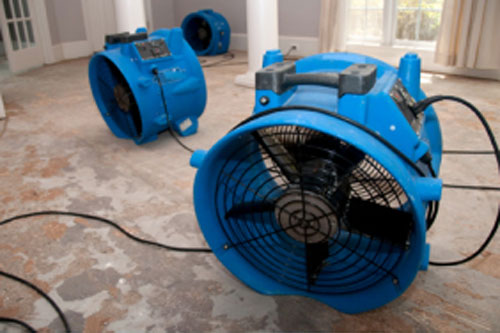
Drying is one of the most technical stages of the process. Simply opening windows or placing a few fans around is nowhere near sufficient. Professionals use a combination of:
- High-speed air movers
- Heavy-duty dehumidifiers
- Moisture meters
- Thermal imaging
The goal is to evaporate moisture from hidden spaces—inside wall cavities, beneath floors, behind cabinets, and within the structural frame. Drying can take several days depending on the severity of the damage. Technicians monitor humidity and temperature constantly to ensure the environment remains on track for full drying.
How Do Professionals Handle Mold Prevention and Sanitization?
Mold can begin growing within 24–48 hours after a flood, especially in warm or humid conditions. To prevent outbreaks, professionals:
- Apply antimicrobial treatments to affected surfaces
- Fog or spray disinfectants into hidden areas
- Reduce humidity rapidly to non-mold-friendly levels
- Remove organic debris that could feed mold spores
Since severe floods almost always involve contaminated water, sanitization is a critical part of water damage restoration. Advanced methods such as HEPA vacuuming, surface scrubbing, and ozone or hydroxyl treatment may also be used depending on contamination levels.
How Is Odor Removal Handled After Flood Damage?
Flooding leaves behind strong odors from mold, bacteria, sewage, and stagnant water. Professionals use specialized deodorization equipment to eliminate—not mask—these odors:
- HEPA air scrubbers
- Ozone generators
- Hydroxyl generators
- Thermal foggers
These tools neutralize airborne contaminants and help restore a clean, breathable environment. Odor removal is not cosmetic; it’s a sign the property is truly safe and sanitized.
How Do Experts Repair and Restore the Property After Cleanup?
Once the structure is dry, clean, and safe, the reconstruction phase begins. This stage varies depending on the damage but may include:
- Replacing drywall and insulation
- Installing new flooring
- Repainting walls
- Rebuilding cabinetry
- Restoring structural components
- Repairing electrical and plumbing systems
The goal of restoration is to bring the property back to its pre-loss condition—or better. Full-service companies like Ideal Response manage both cleanup and rebuilding, creating a seamless experience for homeowners.
Why Is Hiring Professionals Essential for Severe Flood Damage Cleanup?
Trying to handle severe flooding alone is risky, time-consuming, and often ineffective. Professionals offer:
- Fast response times
- Specialized equipment
- Trained technicians
- Advanced drying and sanitization techniques
- Insurance claim guidance
- Long-term structural protection
Without expert intervention, hidden moisture can cause mold, wood rot, and structural instability for months or even years. Professional flood damage cleanup ensures the property is safe, clean, and fully restored.
Final Thoughts: How Do Professionals Bring a Flood-Damaged Property Back to Life?
Severe flooding demands more than quick fixes. It requires a structured, scientific, and safety-focused approach. Professionals tackle every phase—from assessment and extraction to drying, sanitization, and full restoration. Their expertise ensures that your property recovers fully and that unseen dangers don’t linger behind walls or under floors.
With the right team handling your water damage restoration, you regain peace of mind and confidence that your home or business is truly safe.
If you ever face severe flood damage, calling experienced professionals is not just recommended—it’s essential.
flackflores