

Humidity is one of the most common and often overlooked causes of interior deterioration in homes, offices, hotels, and commercial spaces. While climate variations naturally affect moisture levels, indoor humidity that consistently exceeds safe limits can gradually weaken furniture, damage interiors, and create an environment conducive to mold growth. As a result, maintaining the correct humidity balance becomes essential for preserving indoor assets and ensuring long-term structural quality.
Dehumidifiers play a vital role in achieving this balance. They remove excess moisture from the air, keep indoor humidity within ideal levels, and effectively protect furniture, flooring, electronic equipment, artwork, and other valuable interior elements. Understanding how dehumidifiers work and the specific ways they safeguard interiors can help homeowners and facility managers make informed decisions about humidity control solutions.
Understanding the Impact of Humidity on Furniture and Interiors
Humidity refers to the amount of moisture present in the air. When indoor humidity rises beyond the optimal range—typically 40% to 60%—it can lead to a series of damaging effects. Furniture, textiles, and structural elements absorb moisture, causing them to weaken over time.
High humidity accelerates deterioration in materials such as wood, leather, metal, fabric, paint, and plaster. It also creates favorable conditions for mold, mildew, and pest infestations.
Understanding humidity’s impact is the first step in recognizing why dehumidifiers are indispensable in many environments.
How Humidity Damages Wooden Furniture and Fixtures
Wood is highly sensitive to moisture, making it one of the most vulnerable materials in humid environments. When humidity levels remain high, wood absorbs moisture and expands. Conversely, when the air becomes too dry, it contracts. Repeated cycles of swelling and shrinking can lead to structural damage.
Excessive humidity particularly causes:
-
Warping and bending of wooden doors, windows, and panels
-
Swelling of cabinets, wardrobes, and wooden frames
-
Cracks along wooden surfaces and joints
-
Loosening of adhesives in engineered wood
-
Termite attraction due to moist conditions
In homes, hotels, and offices where wooden elements play a key role in interior aesthetics, dehumidification becomes essential to preserve longevity and appearance.
NOTE:- Dehumidifiers in UAE had protected commercial facilities by stabilizing indoor moisture levels and preventing damage to stored goods. They had reduced risks of mold, rust, and air discomfort. Airody Trading LLC had supplied dependable systems across sectors. Contact them today to secure advanced humidity-management solutions for continuous operational safety nationwide.

Effects of Moisture on Upholstery, Fabrics, and Leather
High humidity does not only affect solid materials—it also impacts soft furnishings. Fabrics, curtains, rugs, mattresses, and upholstered furniture readily absorb moisture. If left unchecked, this leads to:
-
Musty odors
-
Mold patches on fabric and foam
-
Fading and discoloration
-
Breakdown of natural fibers
-
Faster wear and tear due to moisture retention
Leather absorbs moisture even faster than fabric. Prolonged exposure to humidity causes leather to become sticky, stretched, and prone to mold spots. Dehumidifiers help protect these delicate materials by keeping moisture levels stable and preventing decay.
Corrosion Risks to Metal Fixtures and Décor
Metals react with moisture by forming rust and corrosion. Many interior elements contain metal components—handles, hinges, furniture frames, decorative pieces, appliances, and lighting fixtures. Once moisture begins corroding these components, the damage becomes difficult and expensive to reverse.
A dehumidifier significantly reduces corrosion risks by maintaining dry air conditions, thereby extending the life of both visible metal décor and internal mechanisms in furniture or appliances.
Humidity-Related Damage to Paint, Walls, and Ceiling Finishes
Excess humidity can also compromise the structural integrity of walls and ceilings. When moisture accumulates inside the wall surface, it weakens the paint, plaster, and underlying materials.
Common signs of humidity damage include:
-
Peeling or bubbling paint
-
Damp patches and staining
-
Powdery white deposits caused by salt efflorescence
-
Crumbling plaster
-
Mold growth in corners and wall joints
Such deterioration not only harms the appearance of the space but may also indicate deeper moisture issues. Dehumidifiers help prevent these concerns by reducing airborne moisture before it settles on surfaces.
The Role of Humidity in Mold and Mildew Growth
Mold thrives in environments where humidity consistently exceeds 60%. Once mold begins growing on walls, ceilings, furniture, or fabric, it spreads quickly and becomes difficult to eliminate completely.
Indoor mold causes:
-
Persistent musty smells
-
Staining and discoloration on surfaces
-
Rot and decay of wood
-
Health concerns for occupants
-
Stubborn contamination that often requires professional remediation
By keeping indoor humidity at an optimal level, dehumidifiers effectively prevent mold formation and safeguard furniture and interiors from long-term contamination.
How Dehumidifiers Work to Protect Interiors
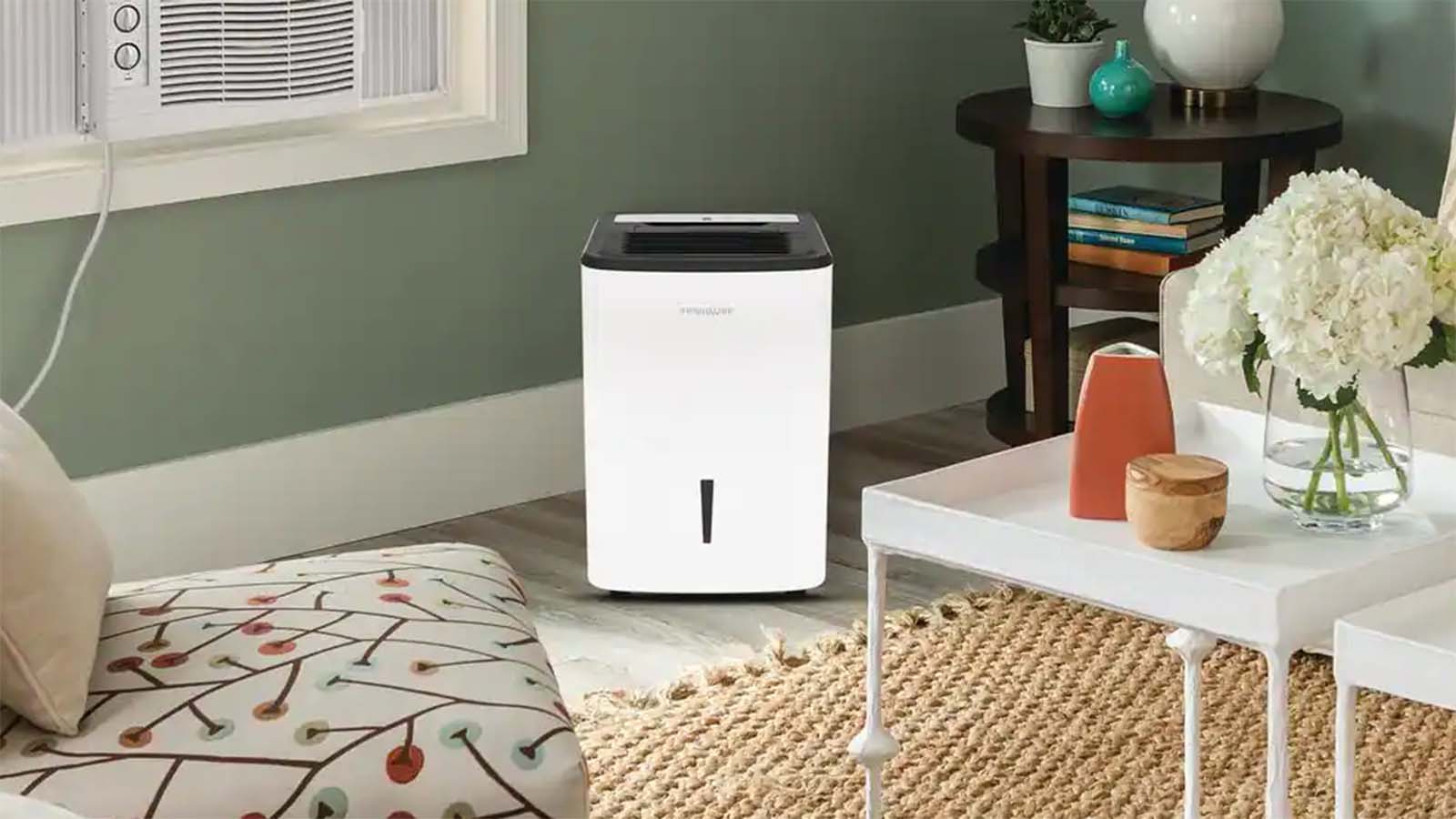
Dehumidifiers operate on a simple yet efficient principle: they draw in moist air, remove moisture using cooling coils or desiccants, and release dry air back into the room.
This process ensures consistent moisture control and reduces the risk of deterioration caused by excessive humidity. Key ways dehumidifiers help protect indoor environments include:
-
Stabilizing humidity fluctuations
-
Preventing moisture absorption in materials
-
Protecting structural integrity
-
Stopping mold and mildew at the source
-
Enhancing HVAC efficiency
-
Preserving indoor air quality
By continuously maintaining balanced humidity, dehumidifiers create a healthier, safer, and more durable indoor atmosphere.
Preventing Damage to Modern Interiors and Luxury Materials
Many modern interior designs incorporate premium materials such as engineered wood, veneers, laminates, leather upholstery, glass partitions, and metal accents. While visually appealing, these materials are also highly sensitive to moisture.
Engineered wood, for example, may warp or delaminate when exposed to humidity. High-gloss laminates lose their shine, while luxury fabrics develop mildew stains. Even electronics integrated into furniture—such as in smart homes—become vulnerable to malfunction.
A dehumidifier serves as a preventive solution, preserving the appearance and functionality of high-end interiors.
Benefits of Using Dehumidifiers in Homes
Dehumidifiers offer multiple benefits in residential spaces:
-
They maintain comfort by reducing stickiness in the air.
-
They protect furniture, flooring, and décor.
-
They prevent mold growth in bedrooms, living rooms, and kitchens.
-
They safeguard wardrobes and stored items from moisture damage.
-
They keep electronic devices functioning smoothly.
In coastal regions or places with naturally high humidity levels, dehumidifiers become almost essential to maintain interior quality.
Why Commercial Spaces Need Dehumidification
Commercial spaces such as offices, hotels, showrooms, warehouses, and retail outlets house expensive furnishings, electronics, and large interior installations. Even minor humidity damage can result in significant financial loss.
Hotels, for example, must maintain fresh, odor-free rooms for guests. Offices need controlled humidity to protect workstations, documents, and servers. Retail environments must ensure that products remain in pristine condition.
Dehumidifiers support these needs by providing stable environmental control, ensuring longevity of interior investments and optimal operational efficiency.
Protecting Flooring and Carpeting from Moisture Damage
Flooring materials—especially wood, laminate, and carpet—are highly sensitive to humidity. Excess moisture causes wood floors to swell, laminate planks to curl, and carpet fibers to attract mold.
Dehumidifiers help maintain a dry and stable environment, preventing floor damage such as:
-
Buckling of wooden floors
-
Expansion gaps
-
Dampness under carpets
-
Odor development in rugs
-
Loss of adhesive strength in vinyl flooring
By keeping the air dry, dehumidifiers maintain the beauty and durability of flooring materials.
Maintaining Indoor Air Quality for a Healthier Environment
Humidity does not only affect furniture—it also impacts the well-being of occupants. High moisture levels encourage bacterial growth, dust mites, allergens, and mold spores. These can trigger respiratory issues and unpleasant odors.
Dehumidifiers improve indoor air quality by:
-
Eliminating excess moisture
-
Reducing allergens
-
Minimizing odors
-
Creating a more comfortable breathing environment
Improved air quality directly contributes to healthier living and working conditions.


Energy Efficiency and Complementary Use with HVAC Systems
Many people assume air conditioners alone can control humidity, but that is not always the case. While AC units cool the air, they may not remove sufficient moisture, especially in large spaces or during monsoon seasons.
Integrating dehumidifiers with HVAC systems offers several advantages:
-
Reduced strain on the air conditioner
-
Faster cooling due to drier air
-
Improved energy efficiency
-
Lower electricity consumption over time
Together, they create a balanced indoor climate that protects interiors while optimizing performance.
Choosing the Right Dehumidifier for Furniture Protection
Selecting the right dehumidifier depends on room size, humidity levels, and the type of furniture or materials present.
Key considerations include:
-
Capacity (measured in liters per day)
-
Portability or fixed installation
-
Noise levels
-
Energy efficiency
-
Tank capacity or drainage options
-
Intended environment (home, office, storage, warehouse)
Professional guidance ensures better accuracy in choosing a unit that meets specific interior protection needs.
Conclusion
Humidity is a silent yet potent enemy of furniture and interiors. Whether in homes, commercial areas, or luxury environments, unchecked moisture can weaken structural elements, damage upholstery, encourage mold growth, and reduce the lifespan of valuable assets.
Dehumidifiers offer an effective and dependable solution to this challenge. By controlling moisture levels and maintaining an optimal indoor climate, they shield furniture, flooring, fabrics, electronics, and structural components from long-term damage. Investing in a high-quality dehumidifier is, therefore, a smart and necessary step toward preserving interiors, enhancing comfort, and ensuring a healthier living or working space for years to come.

reetamercy