
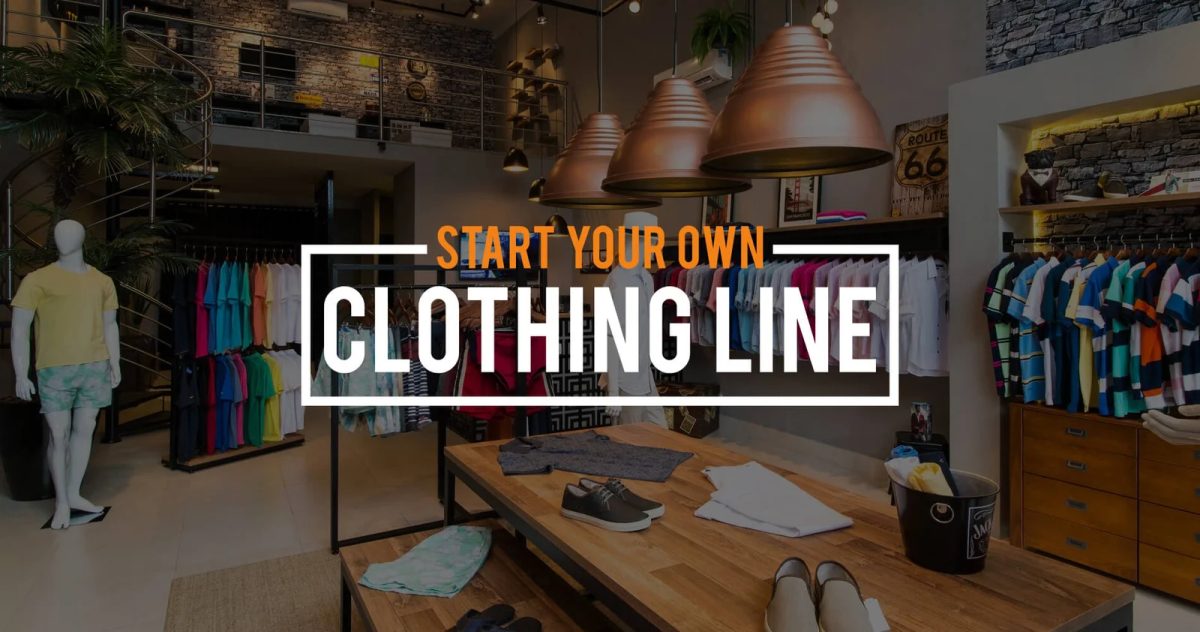
In today’s competitive fashion industry, creating a unique apparel collection is essential for brands that want to attract customers and establish a recognizable identity. Consumers increasingly look for clothing that offers distinctive designs, quality materials, and a strong connection to a brand’s style. For emerging businesses, however, turning creative concepts into finished garments can be challenging without the right production partner.
Custom clothing manufacturers with no minimum order can provide a flexible solution for startups, independent designers, online stores, and established fashion businesses. By allowing brands to produce customized garments without committing to large quantities, these manufacturers can make it easier to test new ideas, develop limited collections, and grow a clothing business at a manageable pace.
Turning Creative Ideas Into Finished Products
A successful apparel collection begins with a strong concept. Brands may have ideas for specific silhouettes, graphics, colors, fabrics, or garment details, but transforming those ideas into finished products requires technical knowledge and production expertise.
Custom clothing manufacturers work with brands to develop garments according to their specifications. Depending on the manufacturer’s capabilities, businesses can customize garment patterns, measurements, fabrics, colors, prints, embroidery, labels, and finishing details.
For example, a streetwear brand may want oversized hoodies with heavyweight fabric and embroidered graphics. A contemporary fashion label may require tailored jackets with custom buttons and branded labels. Manufacturers can help translate these concepts into practical production specifications.
This process allows brands to create products that are designed specifically for their target customers instead of relying entirely on generic wholesale apparel.
Creating Distinctive Brand Identity
Brand identity is one of the most important elements of modern fashion marketing. Customers should be able to recognize a brand through its clothing designs, colors, logos, labels, and overall aesthetic.
Custom manufacturing provides greater control over these details. Brands can develop signature design elements and apply them consistently across different products.
For example, a clothing company might use a specific embroidery style on hoodies, custom woven labels on T-shirts, and a recognizable color palette throughout its collection. These details can make the brand’s products more memorable.
Custom packaging, hangtags, and branded labels can also contribute to a professional presentation and create a more consistent customer experience.
Flexible Production Without Large Commitments
One of the biggest challenges for new clothing brands is managing inventory. Traditional manufacturing arrangements may require businesses to order large quantities before they know how customers will respond to a product.
Working with custom clothing manufacturers with no minimum order can reduce this challenge. Brands may be able to produce smaller quantities or even individual customized pieces, depending on the manufacturer’s policies and production methods.
This flexibility can be useful when testing a new design. Instead of ordering hundreds of garments, a business can produce a smaller batch, evaluate customer interest, and make adjustments before increasing production.
Small-scale production can also support limited-edition releases, seasonal collections, promotional samples, and influencer products.
Experimenting With New Designs
Fashion brands need to experiment to discover what works best for their audience. A manufacturer that supports flexible customization can make experimentation easier.
Brands can test different fabrics, garment fits, colors, prints, and decorative techniques. For example, an online clothing store might create several versions of a T-shirt with different graphics before deciding which design should become part of a larger collection.
This approach gives businesses an opportunity to learn from customer feedback and sales performance. Successful designs can later be produced in larger quantities, while less popular concepts can be discontinued without leaving the business with excessive inventory.
Choosing High-Quality Fabrics
Fabric selection has a major effect on the appearance, comfort, durability, and perceived value of clothing. Different apparel categories require different materials and fabric weights.
Custom manufacturers can help brands select materials based on the intended garment and target market. Options may include cotton, organic cotton, fleece, denim, jersey, polyester blends, linen, and technical fabrics, depending on the manufacturer’s sourcing capabilities.
For premium streetwear, a brand may prefer heavyweight cotton. For lightweight summer apparel, breathable fabrics may be more appropriate. Activewear brands may require materials with stretch and moisture-management properties.
Choosing the right material helps brands create products that meet customer expectations while supporting their desired price point.
Adding Custom Printing and Embroidery
Decoration techniques can transform basic garments into distinctive branded products. Custom manufacturers may offer services such as screen printing, digital printing, sublimation, embroidery, appliqué, and other finishing techniques.
Each technique creates a different visual effect. Embroidery can provide a textured premium appearance, while screen printing can be effective for bold graphics and larger designs.
Brands can select techniques based on the garment, artwork, fabric, budget, and desired appearance. Testing the decoration on samples before bulk production is an important step because different fabrics can produce different results.
Improving Product Quality Through Sampling
Sampling allows brands to evaluate a product before approving full production. A sample can reveal issues involving sizing, fabric weight, stitching, color, artwork placement, or overall construction.
Professional manufacturers can produce samples based on the brand’s specifications and make revisions when necessary. Businesses should carefully review samples and communicate any changes before production begins.
This process is particularly important for new brands because a well-developed sample can establish the standard for future production runs.
Clear specifications, including measurements, fabric details, artwork files, labels, and construction requirements, can help manufacturers produce more consistent results.
Supporting Small and Growing Fashion Businesses
Not every clothing business starts with a large budget or an established customer base. Many entrepreneurs begin with a few products and gradually expand their collections.
Custom clothing manufacturers with no minimum order can provide flexibility for these businesses by reducing the pressure to purchase large quantities at the beginning. Smaller production runs can make it easier to launch a new brand, test product concepts, and respond to customer demand.
As sales increase, businesses can potentially move toward larger production quantities and broader collections. This creates a gradual path from product testing to more established manufacturing.
However, brands should always confirm a manufacturer’s actual order requirements, pricing structure, sampling fees, production capabilities, and shipping terms before placing an order. “No minimum order” policies can vary considerably between suppliers.
Building a More Flexible Apparel Collection
A unique apparel collection does not necessarily require dozens of products. Brands can create a strong collection by developing a smaller number of well-designed garments with consistent styling.
For example, a collection might include an oversized T-shirt, hoodie, jogger, jacket, and cap that share the same logo, color palette, and design language. This creates multiple outfit combinations while maintaining a recognizable brand identity.
Custom manufacturing gives businesses greater control over these relationships between products. Garments can be designed to complement one another, creating a collection rather than a group of unrelated items.
Conclusion
Custom clothing manufacturers help brands create unique apparel collections by providing customization, flexible production, material selection, branding options, sampling, and specialized finishing services. These capabilities allow businesses to move beyond generic clothing and develop products that reflect their own creative identity.
For startups and smaller fashion businesses, custom clothing manufacturers with no minimum order can offer additional flexibility by making it possible to test designs without committing to large inventory quantities. This can support limited releases, product testing, and gradual business growth.
Before choosing a manufacturer, brands should evaluate product quality, customization options, pricing, production timelines, sample policies, and actual order requirements. With careful planning and a suitable manufacturing partner, fashion businesses can turn creative concepts into distinctive apparel collections that connect with their target customers.
Attirify