
Introduction
The early 2000s were a strange but fascinating time for fashion. On one end of the spectrum, you had ultra-glossy celebrity styles—think velour tracksuits, sparkly denim, rhinestone-covered tees, and the unforgettable low-rise everything. On the other side, you had mainstream luxury labels repeating familiar tropes without taking real creative risks. It was an era defined by excess, flash, and conformity masquerading as individuality. This made the entire scene feel repetitive, predictable, and, frankly, a bit watered down. But quietly operating outside this shiny chaos was a brand that refused to play by the rules—Chrome Hearts Clothing.
Chrome Hearts didn’t burst into the 2000s trying to be trendy; instead, it preserved the same rugged, unapologetically rebellious identity it had since the late ’80s. And that alone was enough to shake things up. While other brands were chasing seasonal trends or pop-culture aesthetics, Chrome Hearts was hand-crafting sterling silver hardware, heavy leather jackets, and Gothic-inspired pieces that felt more like artifacts than clothing. It wasn’t loud, it wasn’t sparkly, and it definitely wasn’t trying to be “cute.” In a sea of bubblegum-colored fashion, Chrome Hearts showed up in head-to-toe black, carrying the attitude of a rock concert at midnight.
What made Chrome Hearts so disruptive was that it didn’t fit the early 2000s mold at all. Instead of mass production, it celebrated scarcity. Instead of glitter, it brought raw metal. Instead of chasing celebrities, celebrities chased it. The brand became a quiet rebellion—something deeply personal, handcrafted, and filled with attitude. Artists, actors, skaters, and rock musicians gravitated toward it because it felt real. It felt dangerous. It felt like fashion that meant something.
This article explores exactly how Chrome Hearts managed to challenge—and ultimately transform—early 2000s fashion norms. Get ready to dive deep into the craftsmanship, culture, rebellion, and iconic aesthetic that helped this brand rewrite the rulebook at a time when the world desperately needed originality.
The Origins of Chrome Hearts
Chrome Hearts didn’t begin as a typical fashion label. In fact, calling it a “fashion brand” in its early years almost feels misleading. It was born from attitude, rebellion, and an obsession with craftsmanship that bordered on romantic. Founded in 1988 by Richard Stark, the brand grew out of motorcycle culture, leatherwork, and the raw edge of underground Los Angeles. Stark didn’t aim to create luxury clothing; he aimed to create pieces he and his friends actually wanted to wear—pieces that could survive the road, the lifestyle, and the intensity of a completely different world from what mainstream fashion was selling.
Back then, fashion was split between haute couture and mall-ready trends, with almost nothing occupying the rugged, handcrafted middle ground. Chrome Hearts filled that void with unapologetic intensity. Stark collaborated with artisans who specialized in sterling silver, leather, wood, and even fine jewelry techniques—not to follow trends, but to indulge in a craft-first philosophy. Every piece was built to last, built to feel heavy, and built to carry meaning. This alone set the brand apart and planted the seeds of a revolution that would thrive in the early 2000s.
By the time the new millennium arrived, Chrome Hearts was already known in underground circles for its biker-inspired leather jackets, thick silver crosses, dagger motifs, and gothic typography. These weren’t just accessories—they were armor. Each item felt like it belonged to a specific person, not to the masses. In a world becoming more obsessed with fast fashion, disposable trends, and cheaply made clothing, Chrome Hearts was a stark contrast. The brand’s roots in rebellion made it uniquely positioned to challenge the explosion of artificial glam dominating early 2000s pop culture.
This origin story is essential because it explains why Chrome Hearts resonated so deeply with a certain crowd. It didn’t try to be mainstream; it created a world where authenticity, grit, and individuality came first. And when early 2000s fashion became overly polished and predictable, that raw authenticity was exactly what people were craving—even if they didn’t know it yet.
What Made Early 2000s Fashion So Predictable?
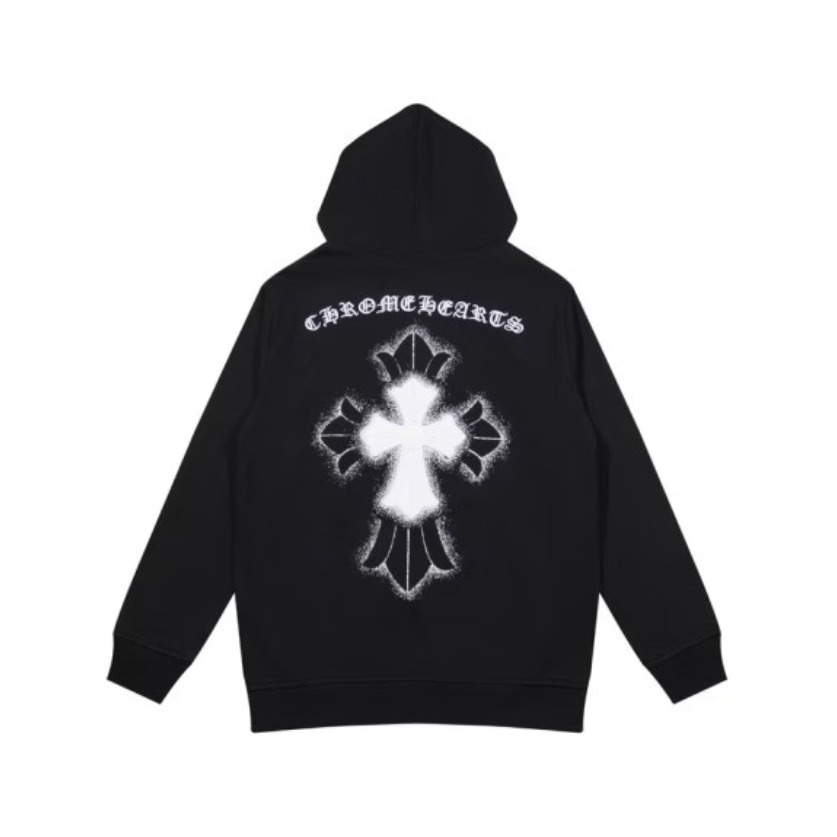
To understand how Chrome Hearts shattered early 2000s fashion norms, we first need to look at what those norms actually were—and why they became so predictable. The early 2000s were a decade defined by commercialized aesthetics, mass production, and an obsession with celebrity culture. Fashion wasn’t just influenced by pop stars and reality TV personalities; it revolved around them Chrome Hearts Hoodie. Whatever they wore—whether it was a velour tracksuit, glittery tank top, oversized belt, or bejeweled jeans—became the gospel of style for millions of people almost overnight.
Brands responded by pumping out fast, flashy, and highly recognizable designs because that’s what sold. Logos were everywhere. Subtlety practically didn’t exist. Monograms, rhinestones, and overly bright colors dominated department stores, malls, music videos, and magazine covers. Everything was designed to grab attention fast, even if the quality was questionable. Consumers weren’t really buying craftsmanship—they were buying visibility. The louder the outfit, the more “fashion-forward” it was considered. It was an era where standing out meant blending in with the trend cycle, because everyone was following the same few ideas.
Another reason early 2000s fashion felt stale was its lack of depth. Clothes were often treated as disposable. Trends changed so quickly that pieces lost relevance within months. Mass-market retailers attempted to keep up by producing cheaper versions of high-fashion styles, flooding the market with look-alikes. This created a cultural cycle where originality suffered. Even high-end designers leaned heavily into repetition because their logos alone were enough to sell a collection. By the mid-2000s, fashion felt like one big echo chamber.
Then there was the cultural obsession with “bling”—a trend that prized flash over substance. This glitter-coated mindset seeped into every corner of fashion, making it difficult for any brand that valued subtlety or craftsmanship to stand out. The industry favored speed over artistry, and the result was a landscape full of trends that looked exciting on the surface but carried very little meaning.
This is precisely where Chrome Hearts came in as a disruptor. At a time when fashion was about fast consumption and surface-level aesthetics, Chrome Hearts offered permanence, authenticity, and a rebellious lack of concern for what was “in.” It wasn’t trying to fit into the fashion world—and that made it impossible to ignore.
Chrome Hearts’ Anti-Mainstream Philosophy
Chrome Hearts didn’t have to try to be anti-mainstream—the brand was born that way. While the early 2000s fashion industry raced toward mass production, instant trends, and celebrity-driven marketing, Chrome Hearts moved in the opposite direction with the confidence of a brand that had nothing to prove. Its philosophy wasn’t built around pleasing the masses, fitting into runway cycles, or chasing what was popular. Instead, it championed the idea that fashion should be personal, meaningful, and grounded in craftsmanship rather than hype. And in a decade where conformity was disguised as individuality, this mindset was practically revolutionary.
One of the most defining elements of this philosophy was Chrome Hearts’ total rejection of mass production. Other brands were outsourcing manufacturing, using cheaper materials, and looking for shortcuts to keep up with demand. Chrome Hearts doubled down on handcrafted details, real sterling silver, Italian leather, and artisanal production processes. Every piece was made slowly, deliberately, and with a level of care that stood in stark contrast to the throwaway culture dominating early 2000s wardrobes. This commitment wasn’t a marketing strategy—it was a way of life for the brand. And it became a badge of honor for anyone who wore Chrome Hearts.
Another core part of the brand’s identity was its refusal to follow seasonal trends. Chrome Hearts did not release collections based on spring, summer, fall, or winter. It didn’t announce themes, color palettes, or mood boards. Instead, it released pieces whenever they were ready, letting the work speak for itself. This made the brand feel mysterious, unpredictable, and entirely outside the rules of traditional fashion. People didn’t buy Chrome Hearts because it was “in”; they bought it because it represented rebellion against the idea of following trends at all.
Perhaps the most powerful aspect of the Chrome Hearts philosophy was its authenticity. The brand wasn’t built by corporate executives in a meeting room—it was built by a group of artisans, motorcycle riders, and rock culture enthusiasts who genuinely lived the lifestyle they designed for. They didn’t need to pretend to be edgy or rebellious; they already were. And that authenticity resonated with consumers who were tired of the polished, glittery, overly manufactured aesthetic that dominated the early 2000s.
By staying true to its anti-mainstream philosophy, Chrome Hearts challenged the fashion norms of the time simply by existing. The brand didn’t ask for permission—it created a lane that others later scrambled to follow. Read More….
Chrome Hearts