
Many homes across Australia have an old car sitting in a driveway, shed, or yard. It may be a project that never started, a vehicle that stopped running years ago, or something kept “just in case” for parts. Over time, these unused cars turn into clutter. They take up space, collect dust, and often become a source of frustration.
Car recycling offers a practical way to remove that clutter while also helping the environment. It links household organisation with responsible waste management, showing that a single choice can make a difference both at home and beyond.
This article explores how car recycling works, why it matters, and how it can help families reduce household waste in a meaningful way.
Why Old Cars Become Household Waste
Many people do not think of an unused car as waste, yet households often store vehicles that serve no real purpose. Over time, they start to break down. Metal rusts. Fluids leak. Tyres flatten. Parts wear out even when the car is not moving.
According to data from the Australian Bureau of Statistics, more than 19 million vehicles were registered nationwide in 2023. With so many cars in circulation, a large number eventually end up unused or abandoned. When a car no longer serves any practical function and sits idle for long periods, it becomes a form of household waste, similar to old furniture or broken appliances.
The difference is that cars take up far more space and contain materials that can cause harm if not managed correctly.
How Car Recycling Helps Reduce Household Waste
Recycling an old car means dismantling it in a way that allows metal, plastic, glass, and mechanical components to be recovered and reused. This process redirects the majority of the vehicle away from landfill.
Here is how recycling helps households reduce waste:
1. It Removes Large, Space-Consuming Items From Your Property
Cars are one of the biggest objects the average household owns. When one sits unused for years, it becomes a major source of clutter. Removing that vehicle can free up:
-
Garage space
-
Driveway space
-
Backyard space
-
Shed and storage areas
Many families discover they suddenly have room for more useful things, or simply enjoy a cleaner and more open home environment.
2. It Prevents Hazardous Waste From Leaking into the Ground
Old cars contain fluids such as:
-
Engine oil
-
Coolant
-
Transmission fluid
-
Brake fluid
-
Fuel
When a car sits unused for too long, these fluids can leak. This creates a health and safety risk, especially for households with children or pets. Recycling the vehicle ensures all fluids are drained and processed safely through approved facilities.
3. It Reduces the Load on Local Landfills
Australia generates around 76 million tonnes of waste each year, based on government reporting. Vehicles contribute significantly when they are not recycled. Sending a car to landfill means losing valuable materials and adding to long-term waste storage problems.
Car recycling avoids this. Most vehicles are made up of around 70–80 percent metal, which can be reused in construction, manufacturing, and new vehicle production. Every car recycled helps prevent unnecessary landfill expansion.
4. It Gives Old Parts a New Purpose
Many components in old vehicles can still be reused. These include:
-
Engines
-
Alternators
-
Doors
-
Windows
-
Gearboxes
-
Tyres
-
Panels
When sold through auto salvage yards, these parts help other drivers keep their cars running. This reduces the need for new manufacturing and keeps useful materials in circulation.
How Recycling Reduces Clutter in Everyday Life
Car recycling does more than remove waste. It also helps households reclaim order and create safer living spaces.
Reclaiming Outdoor Areas
An old car parked in the backyard can attract pests, become weather-damaged, or even pose safety risks. Recycling the vehicle restores usable outdoor areas for gardening, storage, or family activities.
Improving Home Safety
Cars that sit unused often develop sharp edges, rust patches, or weakened frames. Removing them lowers the chance of injuries and eliminates a potential hazard, especially for children who may play near the vehicle.
Reducing Fire Risks
Old cars with remaining fuel or electrical faults can be a fire risk. Recycling ensures the vehicle is dismantled in a controlled environment where any flammable materials are removed safely.
How the Car Recycling Process Works
Understanding the recycling process helps explain why it is so effective at reducing household waste.
Step 1: Vehicle Collection
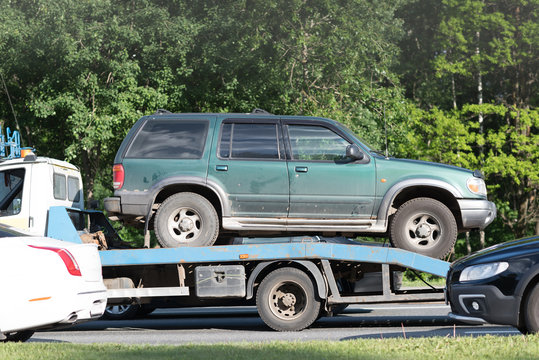
Most recyclers offer pick-up services for old or damaged vehicles. The car is transported to a dismantling facility where it is assessed.
Step 2: Draining Fluids
All fluids are drained and sorted. Many can be refined or reused in industrial applications.
Step 3: Removing Reusable Parts
Parts in good condition are removed and sent to salvage yards or sold for reuse. This includes everything from alternators and engines to mirrors and interior components.
Step 4: Metal Separation
The remaining shell is crushed and processed to separate different metals such as:
-
Steel
-
Aluminium
-
Copper
These metals are then melted down to create new products.
Step 5: Recycling Plastic and Glass
Car plastics and glass are also sorted and processed. They can become new consumer goods, construction materials, or parts for new vehicles.
How Recycling Helps the Environment Beyond the Household
Car recycling does more than clear space in Australian homes. It also supports long-term environmental goals.
Metal Reuse Reduces Mining Pressure
Recycling steel saves up to 74 percent of the energy needed to produce new steel from raw materials. This helps reduce emissions and lowers demand for mining.
Less Manufacturing Waste
Producing new parts creates industrial waste. Using salvaged components cuts this down and helps conserve resources.
Lower Carbon Emissions
Recycling reduces fuel use during manufacturing and transport, which lowers carbon emissions.
A Practical Example of How Households Benefit
Many families across Australia choose to recycle old cars when the vehicle becomes too costly to maintain. By recycling the car, they solve several problems at once:
-
They remove a large item they no longer use.
-
They reduce their household load of waste and stored items.
-
They prevent oil, coolant, and other fluids from leaking into soil.
-
They support metal and material recovery that helps industries nationwide.
It is a practical choice that addresses clutter and waste in a single step.
The Role of Car Removal Services in Household Clean-Up
Car removal services support the recycling process by collecting unwanted vehicles and delivering them to recycling facilities. Some households use a service such as best car removal adelaide when they need quick collection of an old or damaged vehicle. This helps ensure the car is removed responsibly and taken to a recycler that will process the materials in a safe and environmentally conscious way. The service connects everyday households with recycling centres that turn an unused car into something useful again.
Simple Tips for Households Considering Car Recycling
If you have an old car sitting at home, these steps can help:
-
Remove personal items before the vehicle is collected.
-
Check for tools, documents, or plates inside the car.
-
Inform the relevant authority to cancel registration if needed.
-
Choose a recycler that follows proper environmental standards.
These small steps make the process smoother and help ensure the car is handled correctly.
Conclusion
Car recycling is one of the most practical ways to reduce household waste and clear major clutter at home. It prevents harmful materials from leaking into the ground, redirects metals and parts back into useful industries, and helps families reclaim space they have not used for years.
Whether you have an old car in the backyard or a vehicle that can no longer be repaired, recycling offers a sensible solution that supports both home organisation and environmental care.
ezycarwreckers